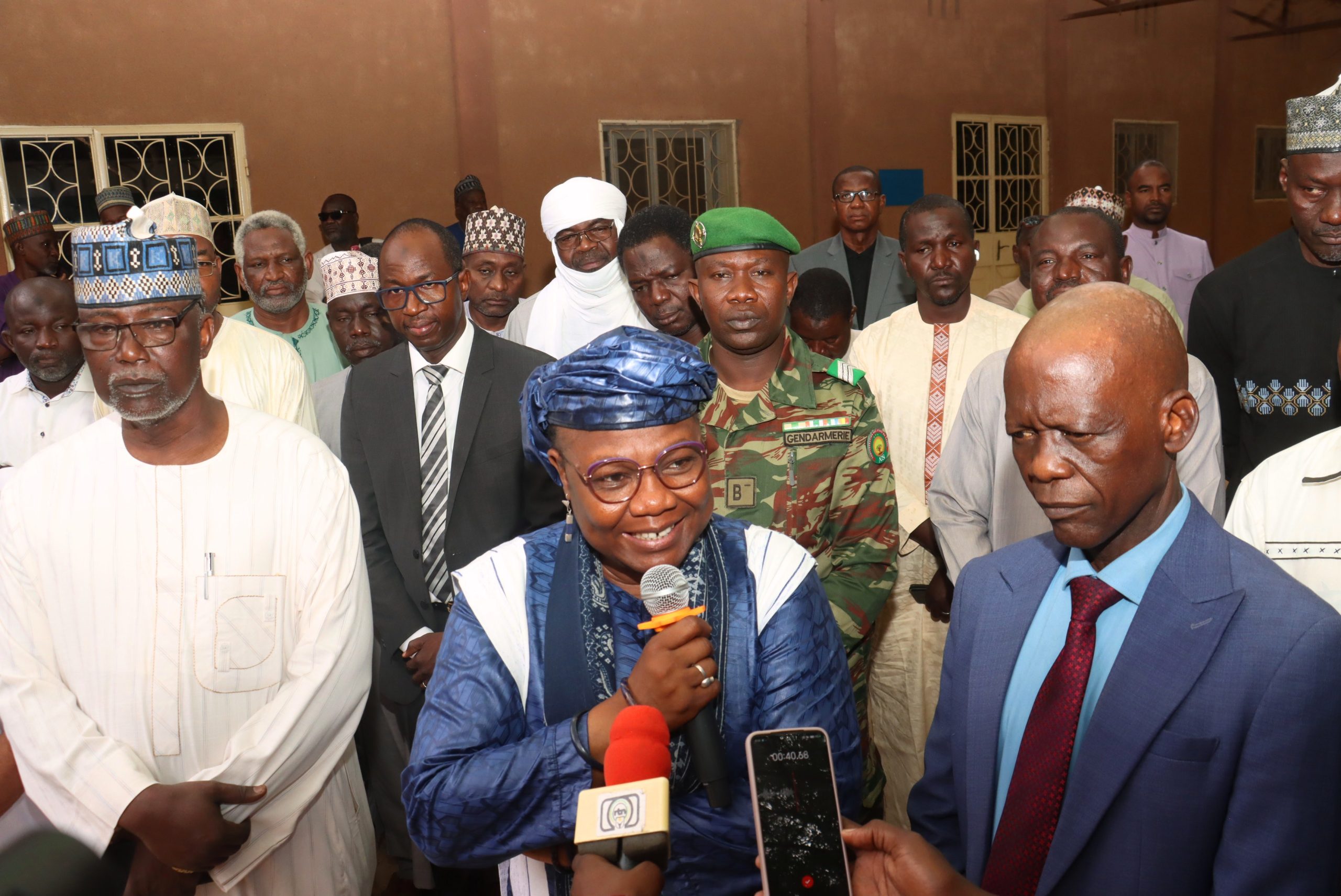
Niger's Minister of Higher Education and Research, Pr Mamadou Seydou, discussed ongoing reforms within his department, including the CAMES system and national civic service. He made these statements during an interview with RTN on Sunday, 2026, in Niamey. Pr Mamadou Seydou stated, "Le Ministre de l’Enseignement supérieur et de la Recherche, Pr Mamadou Seydou, s’est exprimé sur plusieurs réformes en cours dans son département, notamment le système du CAMES et le service civique national, lors d’un entretien accordé à la RTN, dimanche 2026 à Niamey." The minister's remarks provided details on these key initiatives for higher education in Niger.
CAMES System Explained
Niger has been fully integrated into the CAMES system since December 30, 2003, according to Pr Mamadou Seydou. The country has abandoned its former internal system for evaluating teacher-researchers, including the one previously used by the University Consultative Committee of Niamey. CAMES now serves as the primary reference framework for evaluating both teacher-researchers and researchers. Evaluation methods within CAMES include detailed dossier examination or rigorous aggregation competitions. This evaluation process is particularly applied in several key academic fields, including health sciences, law, and economic and management sciences, ensuring standardized assessment across these disciplines. The minister's comments highlight the full adoption of the CAMES framework in Niger's higher education landscape.
Advantages for Academic Mobility
Niger has adopted the CAMES system, which is regarded as more advantageous for academic mobility. This system also facilitates the recognition of diplomas and academic grades within the region. The move away from Niger's previous internal evaluation methods is intended to streamline the process for academics seeking opportunities beyond national borders. The standardized framework provided by CAMES aims to ensure that qualifications obtained in Niger are widely accepted, enhancing the career prospects and educational pathways for its teacher-researchers and students across member states.
Broader Reforms and Context
Pr Mamadou Seydou, Niger's Minister of Higher Education and Research, discussed a range of ongoing reforms within his department during an interview with RTN in Niamey. These initiatives extend beyond the CAMES system to encompass other significant changes. The minister's statements indicate a full approach to modernizing and standardizing higher education across the country. The reforms aim to enhance academic quality and ensure that Niger's educational framework aligns with regional and international standards. This broader context frames the specific changes being implemented, including those affecting teacher-researcher evaluations and academic mobility, as part of a larger strategic vision for the sector.
Minister's Statement
Pr Mamadou Seydou, the Minister of Higher Education and Research, delivered his remarks during an interview granted to RTN on Sunday, 2026, in Niamey. His statements detailed ongoing reforms within his department, focusing on the CAMES system and national civic service. The minister provided specific insights into how these changes are being implemented and their anticipated impact on Niger's academic landscape. He emphasized the government's commitment to enhancing the quality and relevance of higher education through these strategic initiatives. The interview served as a platform to communicate the objectives and benefits of the reforms to the public.