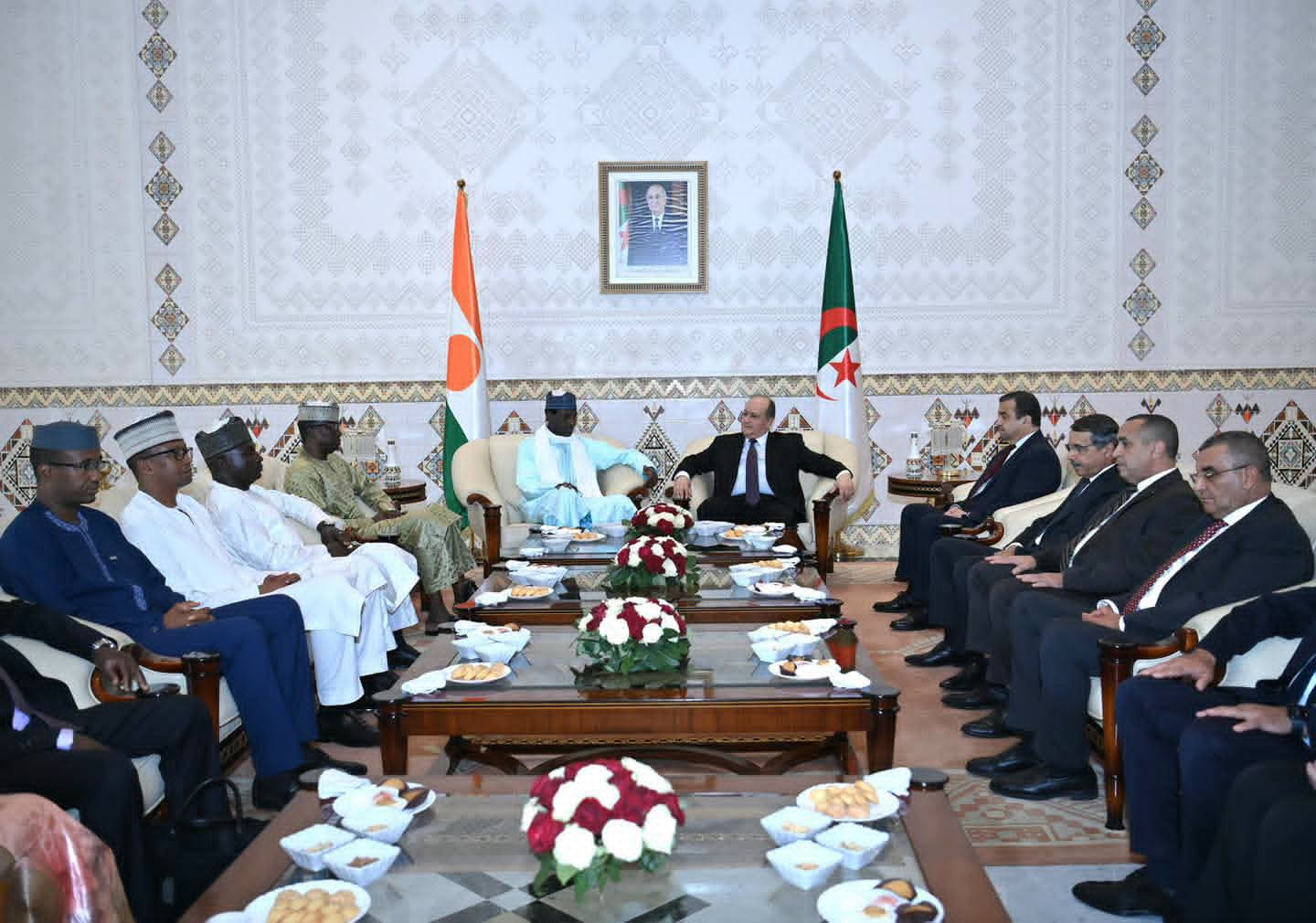
Prime Minister Ali Mahaman Lamine Zeine of Niger held a significant meeting with his Algerian counterpart, signaling a key diplomatic exchange between the two nations. This high-level engagement marks an important interaction at the highest governmental level, showing the ongoing dialogue between key regional actors. The discussions aimed at strengthening bilateral relations and addressing matters of mutual interest, reflecting a shared commitment to regional stability and cooperation. Both leaders likely focused on the complex geopolitical landscape of the Sahel region, exploring potential areas where their nations could collaborate more effectively. This meeting shows the persistent efforts by both Niger and Algeria to foster closer ties and coordinate on various fronts, particularly in an era demanding strong regional partnerships. The encounter serves as a testament to the enduring diplomatic channels between the two countries, which are vital for addressing shared challenges and pursuing common goals.
The interaction between the two prime ministers is particularly noteworthy given the strategic importance of both Niger and Algeria in North Africa and the wider Sahel. Such direct engagement at the prime ministerial level is often indicative of pressing issues requiring immediate attention and a concerted approach. It provides a platform for leaders to exchange perspectives directly, bypassing more formal, multi-layered diplomatic channels when necessary. The very act of Prime Minister Ali Mahaman Lamine Zeine traveling to meet his Algerian counterpart notes the priority placed on this bilateral relationship by both governments. This diplomatic initiative is expected to contribute to a more cohesive regional strategy, especially concerning peace, security, and economic development, which are critical for the stability of the entire sub-region.
Key Diplomatic Discussions
The discussions between Nigerien Prime Minister Ali Mahaman Lamine Zeine and his Algerian counterpart were conducted in a one-on-one format, a significant detail that shapes the nature and potential depth of the exchange. This direct engagement allowed for an intimate and unfiltered exchange on matters pertinent to both nations, fostering an environment conducive to candid dialogue. Such a structure often facilitates frank discussions and detailed consideration of sensitive issues without the broader context of larger delegations and their inherent protocols. The private setting shows the intention for focused and potentially substantive deliberations between the two heads of government, allowing for a more personal connection and direct negotiation. This format is frequently chosen when leaders seek to build trust and achieve breakthroughs on complex topics.
The choice of a one-on-one meeting suggests a deliberate decision to foster a deeper level of understanding and trust between the leaders. In diplomatic practice, one-on-one encounters are frequently reserved for the most critical bilateral issues or for building personal rapport between high-ranking officials. This particular interaction aligns with the broader objective of strengthening the relationship between Niger and Algeria, as indicated by the official agenda and the nature of the topics typically discussed at this level. The direct nature of the talks could pave the way for more efficient decision-making and agreement on future cooperative ventures, as it minimizes intermediaries and allows for immediate clarification of positions. It also provides an opportunity for leaders to gain a nuanced understanding of each other's perspectives and national priorities.
While specific outcomes from the one-on-one discussion were not immediately detailed, the choice of this format itself conveys significant meaning regarding the seriousness and potential impact of the meeting. It implies that the topics addressed were likely of a strategic nature, requiring direct input and consensus from both Prime Ministers, rather than being delegated to lower-level officials. The setting also provided an invaluable opportunity for the leaders to personally assess the current state of bilateral relations and to chart a course for enhanced collaboration across various sectors, from security to economic development. This direct interaction is a foundational element in high-level diplomacy, aiming to ensure clarity, mutual commitment, and a shared vision on common objectives. The ability to speak freely and confidentially in such a setting can often unlock solutions that might be harder to achieve in more formal, multi-party gatherings.
The absence of extensive entourages during the core discussions often allows for a more fluid and less constrained exchange of ideas. This can be particularly beneficial when addressing delicate security concerns or exploring new avenues for economic partnership that require a high degree of trust and discretion. The one-on-one format shows a desire for efficiency and direct communication, enabling the leaders to directly convey their nation's positions and listen intently to their counterpart's concerns. This streamlined approach to diplomacy can accelerate decision-making processes and foster a stronger bond between the leaders themselves, which can be instrumental in the long-term health of bilateral relations. It reflects a mutual recognition of the urgency and importance of the issues at hand, warranting the direct attention of the highest executive officials.
Algeria's Regional Stance
Algeria maintains a consistent foreign policy centered on the principle of non-interference in the internal affairs of other states, a tenet it frequently articulates in regional and international forums. This foundational approach underpins its diplomatic engagements, including those with neighboring countries like Niger, guiding its interactions and strategic decisions. The nation often advocates for peaceful resolutions to conflicts and prioritizes stability within the Sahel region, an area of significant geopolitical concern due to its vastness, porous borders, and various security challenges. Its diplomatic efforts frequently involve mediating disputes and promoting dialogue among various stakeholders, positioning Algeria as a regional facilitator rather than an interventionist power. This commitment to non-interference is seen as a cornerstone of its credibility and influence in a complex regional landscape.
Algeria's stance on regional security is deeply informed by its own historical experiences and its extensive border with several Sahelian countries, making stability in the region a direct national security imperative. It consistently emphasizes the importance of national sovereignty and territorial integrity for all states in the region, viewing these as essential prerequisites for sustainable peace and development. The country has historically played a significant role in counter-terrorism efforts, sharing intelligence and coordinating border security measures with its neighbors to combat extremist groups. This unwavering commitment to regional stability is a cornerstone of its engagement with nations facing security challenges, as it recognizes that instability in one part of the Sahel can quickly reverberate across the entire region. Its proactive approach to security cooperation is a key element of its broader foreign policy.
The government in Algiers also champions economic cooperation as a strong means to foster stability and sustainable development across North Africa and the Sahel. It frequently proposes joint projects and initiatives designed to enhance trade, improve critical infrastructure, and promote responsible resource management, particularly in shared border areas. These proposals are often presented as mechanisms to address the root causes of instability, such as poverty, lack of economic opportunity, and unemployment, which can fuel discontent and radicalization. Algeria's diplomatic overtures frequently highlight the potential for shared prosperity through collaborative economic ventures, believing that economic interdependence can create stronger bonds and reduce incentives for conflict. This focus on economic development is integral to its full strategy for regional peace.
Algeria often positions itself as a staunch proponent of African solutions to African problems, a philosophy that profoundly guides its participation in organizations such as the African Union and its bilateral relations with fellow African states. Its diplomatic exchanges, including the recent meeting with Niger's Prime Minister, are generally framed within this broader context of fostering regional solidarity and collective self-reliance. This diplomatic posture emphasizes a belief in the capacity of African nations to resolve their own challenges without undue external intervention, promoting a sense of ownership and agency. This principle not only reinforces its non-interference policy but also strengthens its ties with other African nations who share similar aspirations for self-determination and regional leadership. It is a consistent message that resonates deeply within the continent's diplomatic circles.
Niger's Shifting Alliances
Niger, a nation strategically located in the heart of the Sahel region, has recently undergone significant shifts in its international alignments, profoundly influencing its diplomatic engagements and strategic partnerships. These realignments have been observed across its foreign policy spectrum and its evolving approach to regional security challenges, reflecting a dynamic response to both internal imperatives and external pressures. The country's interactions with various international partners now reflect a recalibration of its geopolitical priorities, as it seeks to optimize its position in a rapidly changing global and regional environment. These shifts are a clear indication of a nation actively asserting its sovereignty and reassessing the efficacy of its long-standing relationships.
The changes in Niger's diplomatic orientation are unfolding in a complex regional environment characterized by persistent security concerns, including the proliferation of armed groups and humanitarian crises, and the presence of various international actors with diverse interests. This context necessitates a flexible and adaptive foreign policy. The nation's leadership has been actively engaged in reassessing its alliances to better serve its national interests and address evolving circumstances, leading to a period of intense diplomatic activity. This strategic review has led to new dialogues and strengthened existing relationships, while also prompting a critical re-evaluation of others that may no longer align with its current objectives. The process is a testament to the government's commitment to securing its future in a volatile region.
The country's approach to regional stability and cooperation has been a key component of these shifts, with a renewed emphasis on fostering strong partnerships with immediate neighbors and regional blocs. Niger has been engaging actively with neighboring states on matters of shared concern, including border security, intelligence sharing, and counter-terrorism efforts, recognizing that collective security is critical. These discussions are part of a broader strategy to forge strong partnerships that contribute to peace and development within the region, moving towards a more integrated and coordinated response to common threats. The nation's diplomatic initiatives are aimed at fostering greater collaboration among West African and Sahelian countries, building a united front against regional challenges. This collaborative spirit is essential for long-term stability.
Niger's current foreign policy strongly emphasizes sovereignty and self-determination in its international relations, a principle that now guides its decisions regarding military cooperation, economic partnerships, and political alliances. The nation is actively seeking to diversify its diplomatic ties and build a network of partners that align with its long-term vision for stability, economic growth, and national resilience. These efforts are consistent with a broader trend among some Sahelian states to assert greater autonomy in their foreign policy, moving away from past dependencies and forging new paths. The engagement with Algeria’s Prime Minister Ali Mahaman Lamine Zeine forms a significant part of this evolving diplomatic landscape, showcasing Niger's proactive stance in shaping its regional and international relationships. This strategic reorientation is about securing Niger's future on its own terms.
Future Implications for Sahel
The diplomatic exchange between Niger and Algeria holds significant potential for shaping the future dynamics of the Sahel region, an area grappling with multifaceted challenges. The meeting between Nigerien Prime Minister Ali Mahaman Lamine Zeine and his Algerian counterpart signals a concerted effort to foster stability and cooperation in a region that is vital for continental security. Enhanced collaboration between Niger and Algeria could lead to more coordinated strategies against widespread regional threats, including terrorism, organized crime, and illicit trafficking, which destabilize communities and hinder development. This strategic alliance could provide a key bulwark against these challenges, leveraging the combined resources and intelligence of both nations.
Such high-level engagement may also pave the way for joint initiatives aimed at full economic development and humanitarian aid, directly addressing the root causes of instability such as poverty, food insecurity, and lack of essential services. The discussions could influence regional security architectures, potentially leading to new frameworks for military cooperation, intelligence sharing, and border management that are more responsive to current threats. This could, in turn, set a precedent for other Sahelian nations seeking to strengthen bilateral ties and forge collective solutions. These diplomatic overtures are key for promoting regional solidarity and fostering collective responses to shared concerns, ultimately impacting the long-term outlook for peace and prosperity across the Sahel. The success of this bilateral engagement could serve as a model for broader regional integration and cooperation.