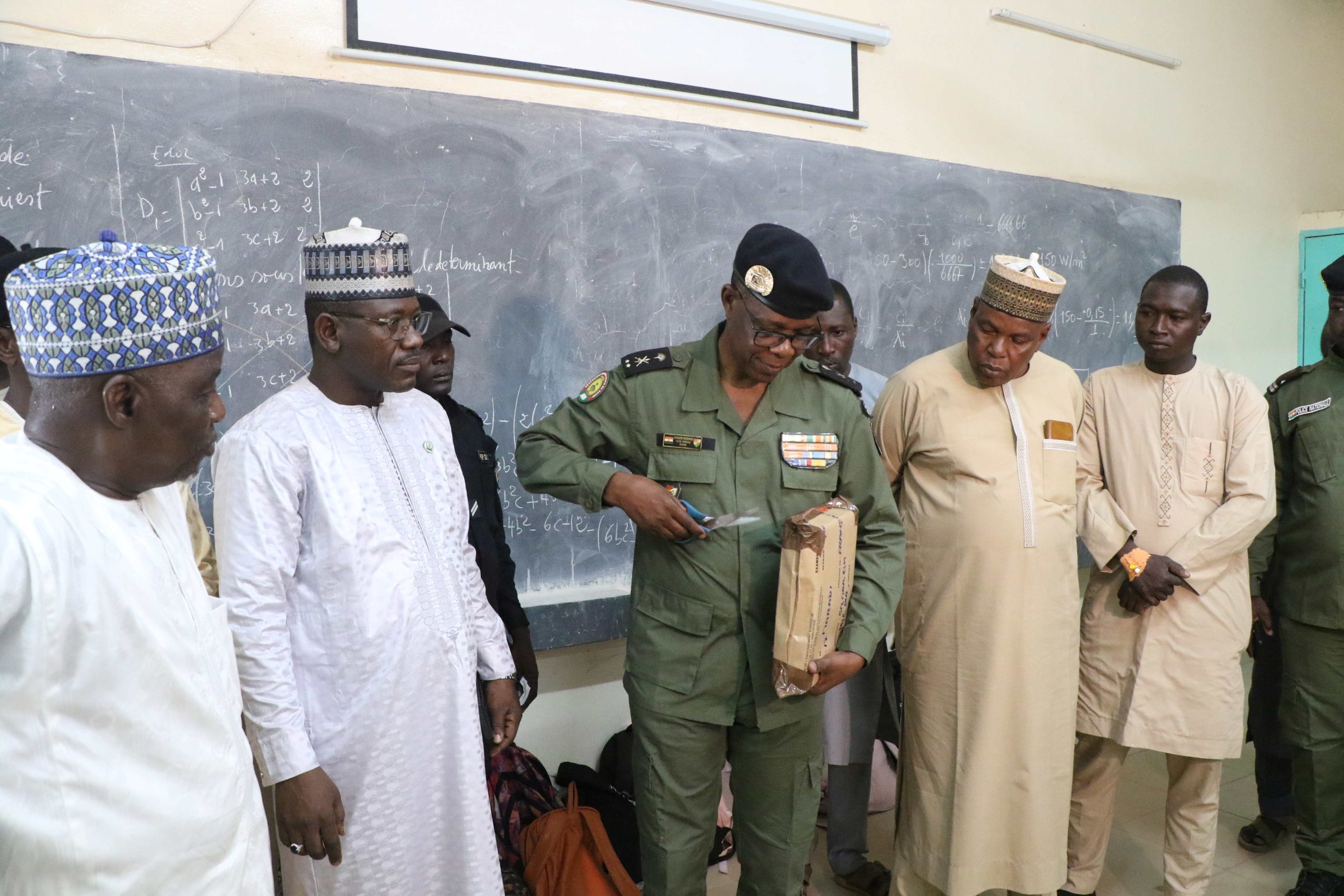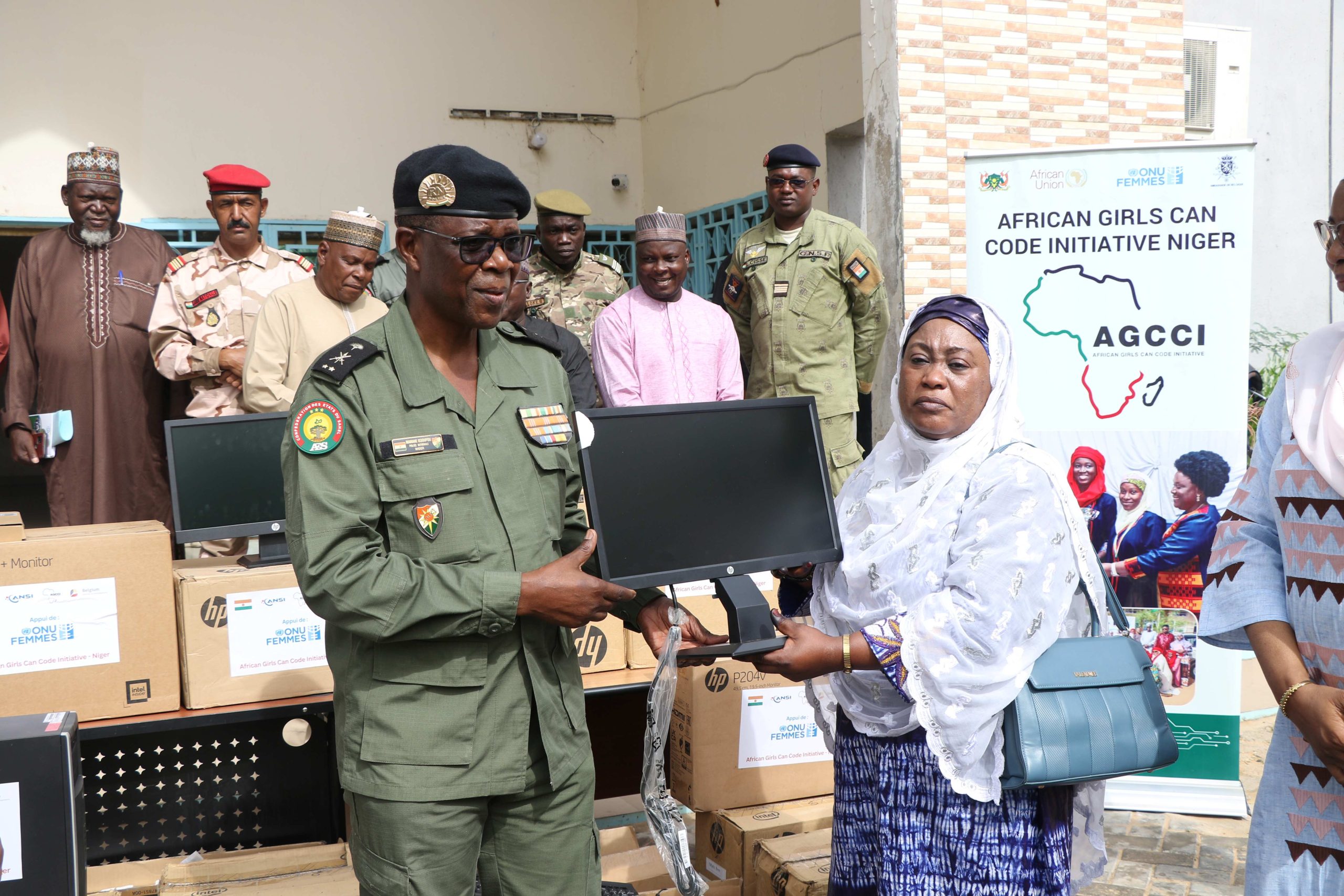
On Tuesday, July 14, 2026, Police Commissioner General Issoufou Mamane, Governor of the Maradi region, officially received a significant donation of 10 desktop computers from ONU-FEMMES. This targeted contribution is a key step designed to support and advance the digital skills initiative currently underway in Maradi. The equipment has been specifically designated for the Regional Directorate of Population in Maradi, with the clear objective of bolstering its technological infrastructure and enhancing its capacity to deliver digital education. This donation shows a concerted effort to bridge the digital divide and empower local communities through improved access to technology.
Initiative Details and Scope
The overarching project, which this donation supports, is being meticulously implemented by the Agence Nationale pour la Société de l’Information (ANSI). ANSI's involvement is central to the project's mission, which aims to significantly enhance digital literacy and technological proficiency across the region. Maradi has already played a key role in this initiative, having served as a host city for one of the project's dedicated camps. This direct engagement notes the initiative's focus on local participation and the provision of hands-on training opportunities directly within the community. The full initiative receives substantial financial backing from the Kingdom of Belgium, which provides the essential resources required for its extensive operational activities and long-term sustainability. This international collaboration ensures the program has the necessary means to achieve its objectives, which include improving digital skills, fostering technological innovation, and strengthening infrastructure. The partnership between ONU-FEMMES, ANSI, and the Kingdom of Belgium represents a powerful alliance dedicated to promoting technological advancement and empowerment within the Maradi region.
Purpose and Impact
The support provided by ONU-FEMMES is strategically integrated into the broader 'African Girls Can Code Initiative' project. This ambitious initiative is specifically designed to empower young women by providing them with essential digital education and ensuring their access to critical technological tools. The recent donation of 10 desktop computers directly aims to operationalize the multimedia room located within the Regional Directorate of Population in Maradi. This strategic objective is intended to transform the multimedia room into a fully functional and dynamic hub for digital skills training, accessible to a wider demographic. The new equipment is expected to significantly facilitate practical learning and the development of key digital competencies, thereby contributing directly to the overall goals of the 'African Girls Can Code Initiative' in the region. By providing these resources, the project seeks to create a sustainable environment for digital learning and growth, ensuring that young women in Maradi are equipped with the skills necessary for future opportunities in the digital economy.
Official Statements and Broader Collaboration
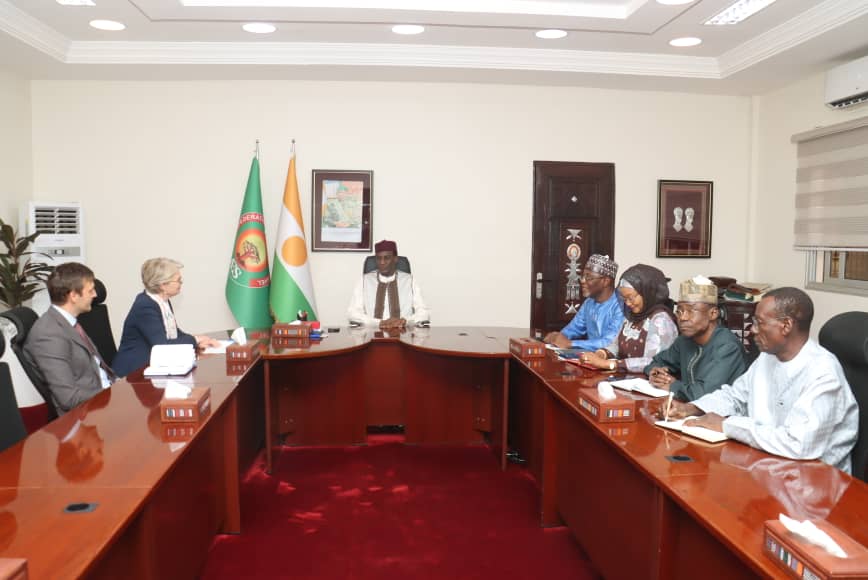
The donation ceremony was officially presided over by the Resident Representative of ONU-FEMMES, Dr. Temaizian Aline Napon, who emphasized the importance of such initiatives for regional development. The broader project, which receives this vital support, has already achieved significant milestones, including the successful training of 50 young girls from various regions across the country. This demonstrates the initiative's wide-reaching impact and its commitment to fostering digital talent nationwide. The initiative operates with the active involvement and collaboration of four key government ministries. These include the Ministry of Communication, which plays a key role in disseminating information and promoting digital access; the Ministry of Higher Education, which supports advanced training and curriculum development; the Ministry of National Education, integral to integrating digital literacy into foundational learning; and the Ministry of Population, which focuses on community outreach and demographic inclusion. This multi-ministerial collaborative effort is designed to strengthen digital literacy and enhance technological access for young women across the region, ensuring a coordinated and impactful approach to digital empowerment.