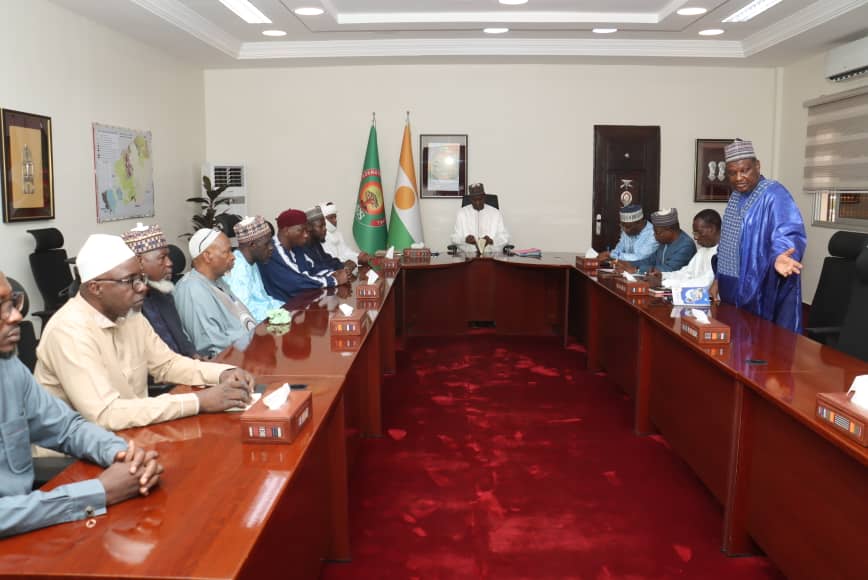
A 72-hour pediatric ambulatory surgery campaign, launched on May 6, 2026, in Niamey, Niger, provided medical treatment to 180 children. The initiative marked the third such pediatric surgery campaign held in the city, showing an ongoing commitment to improving child health services in the region. This particular campaign successfully treated 180 children, making a significant impact on their health and well-being.
Campaign Details and Scope
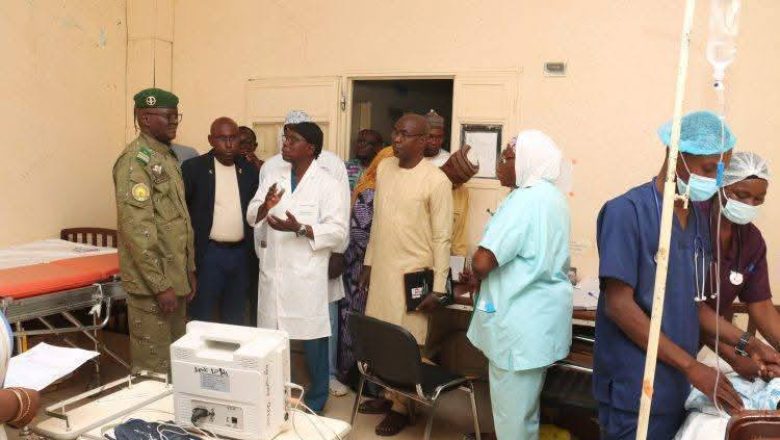
The campaign was specifically designed to provide free medical care to 180 children, addressing a critical need for specialized pediatric surgical interventions. The operational plan was meticulously structured, aiming for an impressive average of 60 surgical interventions daily throughout the campaign's duration. This intensive schedule allowed for a significant number of young patients to receive critical treatment during the 72-hour period. The nature of these ambulatory surgeries meant that children could often return home the same day, minimizing their hospital stay and reducing the burden on their families. Minister Garba Hakimi engaged directly with the medical teams responsible for implementing the initiative, observing their work and offering encouragement. His interaction with the healthcare professionals showed the government's involvement and support for the pediatric surgery efforts in Niamey, noting the importance placed on the successful execution of such vital health programs. The minister's meeting served to acknowledge the specialized medical personnel contributing to the campaign's success, recognizing their dedication and expertise.
Government Commitment and Support
The Nigerien government is actively working to address the increasing need for pediatric surgical services within the country. This effort reflects a broader commitment to public health, aiming to ensure that essential medical care is accessible to all its citizens, particularly the most vulnerable. The campaign itself received strong support from the nation's highest authorities, according to officials. This includes General Abdourahamane Tiani, the president of the National Council for Safeguarding the Fatherland, and Prime Minister Ali Mahamane Lamine Zeine. Their backing notes the government's investment in providing specialized medical care for children and its dedication to improving national health outcomes. The initiative is part of an ongoing strategy to enhance healthcare infrastructure and accessibility in Niger, particularly for vulnerable populations, demonstrating a sustained focus on public welfare. This high-level endorsement ensures that such key medical campaigns receive the necessary resources and logistical support to operate effectively and reach those most in need.
Minister's Visit and Objectives
The Minister of Health and Public Hygiene, Colonel-Major Doctor Garba Hakimi, visited the Hôpital national Amirou Boubacar Diallo on Thursday, May 7, 2026. His visit aimed to assess the progress of the pediatric surgery campaign and engage directly with the medical teams involved in its implementation. The minister's presence showed the government's direct oversight and commitment to the initiative, which provides specialized surgical care for children in Niamey. During his visit, Minister Hakimi observed the operations firsthand and interacted with healthcare professionals, seeking to ensure that the campaign's objectives were being met effectively and efficiently. This engagement reinforced the national authorities' support for enhancing pediatric medical services and ensured a clear line of communication between policy-makers and frontline medical staff. The minister also took the opportunity to commend the dedication and professionalism of the medical personnel, acknowledging their tireless efforts in providing critical care to young patients.
Impact on Families
The free operations conducted during the pediatric surgery campaign provided significant relief to many families across Niamey and surrounding areas. For many, the cost of specialized surgical procedures is prohibitively high, making access to such critical care difficult, if not impossible. The campaign’s provision of free medical interventions alleviated this substantial financial burden, allowing children to receive necessary treatment without their families incurring substantial expenses or falling into debt. This direct support aimed to improve health outcomes for the young patients, facilitating their recovery and enabling them to lead healthier lives. By removing the economic strain, the initiative helped to reduce the overall burden on households, demonstrating the tangible benefits of the campaign beyond the immediate medical procedures themselves and fostering a sense of community support.