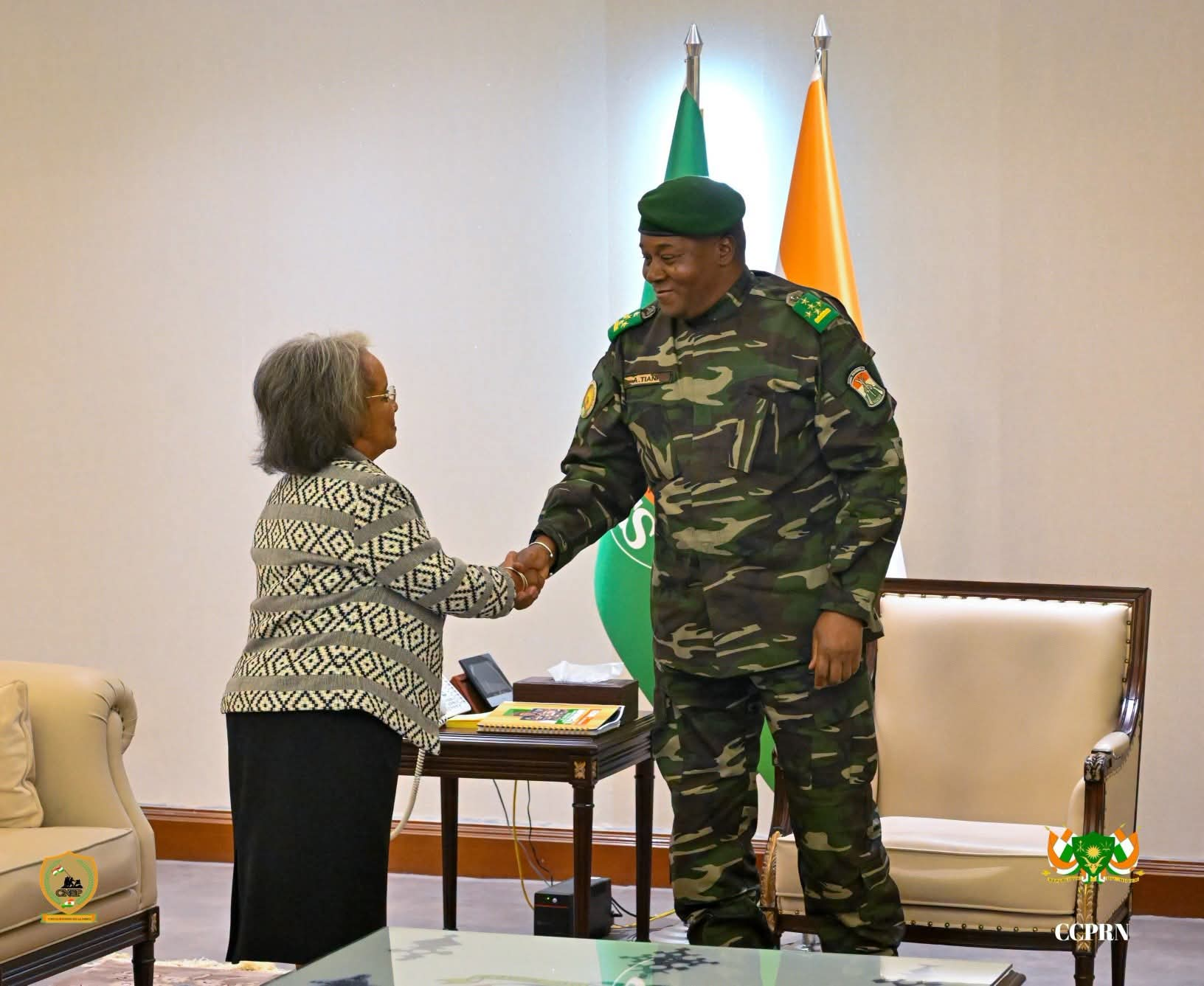
Le Président de la République, le Général d’Armée Abdourahamane Tiani, held a significant meeting with the Head of Mission of the RSI-ONUWAS on Monday, July 20, 2026. The encounter took place in the afternoon at his cabinet in Niamey, serving as a key platform for diplomatic engagement. General Tiani received the mission chief for discussions during this scheduled engagement, showing the importance of ongoing collaboration. The meeting facilitated direct communication between the head of state and the RSI-ONUWAS representative regarding their respective mandates and activities, setting a clear agenda for their dialogue. This high-level interaction is part of a broader effort to strengthen partnerships and address pressing issues affecting the region.
Mission and Objectives Discussed
The discussions between Le Président de la République, Le Général d’Armée Abdourahamane Tiani, and the Head of Mission of the RSI-ONUWAS focused extensively on their respective mandates and operational objectives. The meeting in Niamey provided an invaluable opportunity for both parties to clarify their roles, articulate their strategic priorities, and align their efforts moving forward. Le Général d’Armée Tiani emphasized the critical importance of aligning the mission's activities with the national development agenda, ensuring that all initiatives contribute directly to the country's progress and stability. During the afternoon session, the RSI-ONUWAS representative presented a full overview of the mission's current programs and outlined future initiatives planned for the region, noting key areas of focus. Both sides reportedly explored various avenues for enhanced cooperation and coordination to achieve shared goals effectively. The dialogue aimed at fostering a mutual understanding of the challenges and opportunities present in the complex operational environment, particularly in areas concerning security and humanitarian aid. Further details regarding specific projects or timelines were not immediately released following the afternoon engagement, but the foundational discussions were clearly laid out.
Regional Security Context
The broader regional security landscape, particularly around Niamey, remains a significant and constant consideration for the government led by Le Général d’Armée Abdourahamane Tiani. Security concerns frequently shape diplomatic engagements and strategic discussions within the nation, influencing policy decisions and international partnerships. The persistent presence of various non-state actors and the enduring challenges of cross-border movements continue to influence national priorities and strategic planning. Authorities in Niamey consistently emphasize stability and regional cooperation as essential elements for sustainable progress and development. The country's strategic location in the Sahel region places it at the nexus of multiple complex security dynamics, making coordinated efforts indispensable. Addressing these multifaceted issues requires sustained dialogue and strong, coordinated efforts with international partners and regional bodies. Such discussions are vital for maintaining peace, ensuring the protection of national interests, and fostering a secure environment conducive to growth. The ongoing commitment to these dialogues reflects the government's proactive approach to regional stability.
Future Cooperation Prospects
The meeting between Le Président de la République, Le Général d’Armée Abdourahamane Tiani, and the Head of Mission of the RSI-ONUWAS concluded with a strong emphasis on strengthening future collaboration. Discussions reportedly explored practical mechanisms for establishing more effective partnerships in areas of mutual interest, aiming for tangible outcomes. Both parties acknowledged the significant potential for enhanced cooperation to address regional challenges comprehensively and foster lasting stability across the operational zones. The engagement in Niamey aimed to lay the groundwork for sustained dialogue and the implementation of coordinated initiatives that benefit all stakeholders. While specific details on new projects were not immediately disclosed to the public, the general tone of the meeting indicated a profound commitment to developing practical strategies for implementation. Moving forward, the focus is unequivocally expected to be on translating these high-level discussions into concrete actions, meticulously aligning the RSI-ONUWAS mission's objectives with national priorities, and ensuring a synchronized approach to development and security efforts across the board. This collaborative spirit is seen as key for navigating future challenges effectively.