Niger's Office Central de Répression du Trafic Illicite des Stupéfiants (OCRTIS) successfully deployed a sophisticated surveillance and interception device at the entrance of Zinder on May 19, 2026, leading to a significant cocaine seizure that has set a new precedent for drug confiscations within the nation. This meticulously planned operation resulted in a national record for drug confiscation, showing the escalating challenges posed by illicit narcotics trade in the region. The OCRTIS stated emphatically that the criminal network involved operates with a high degree of organization and sophistication, utilizing several well-established West African trafficking corridors to transport contraband across borders. This recent bust notes the persistent efforts of law enforcement agencies to disrupt these extensive and dangerous illicit operations.
Operation Uncovers Major Trafficking Route and Network Modus Operandi
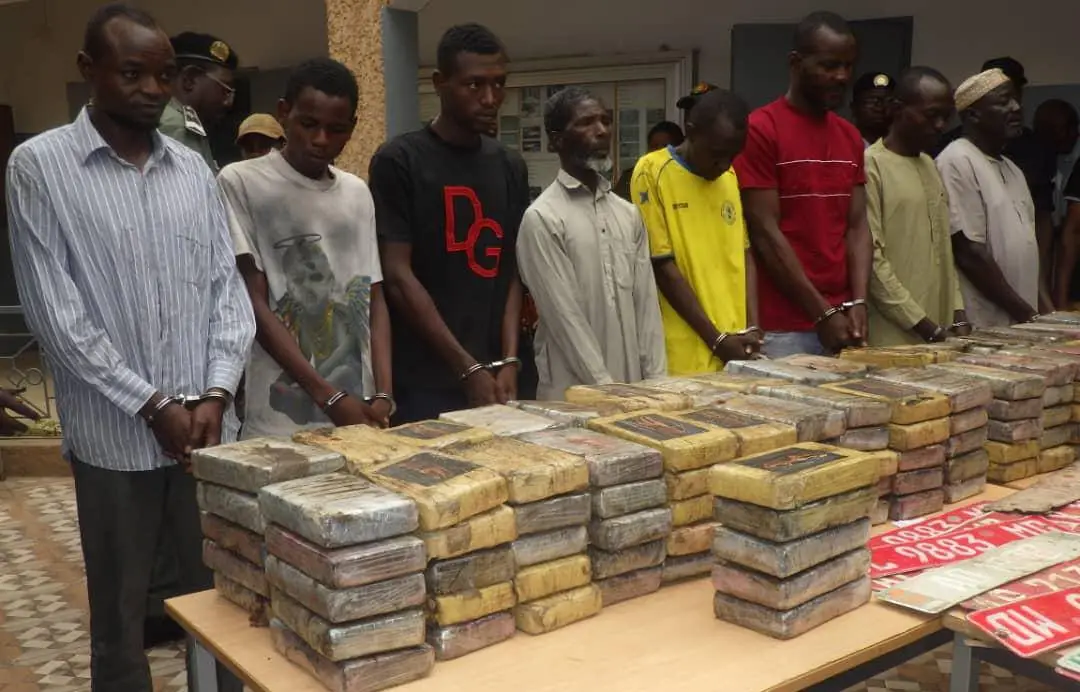
The key operation unfolded based on precise operational intelligence concerning a suspicious truck. This intelligence indicated that the vehicle was originating from Accra, the capital city of Ghana, and was suspected of carrying a substantial quantity of illicit narcotics. Following the deployment of the surveillance and interception device, authorities moved to intercept the truck. During the subsequent intervention and thorough search of the vehicle, law enforcement officers made a startling discovery: 233 bricks of cocaine. The illicit substances were expertly concealed within specially constructed, hidden compartments located ingeniously beneath the truck's trailer, a common tactic employed by sophisticated drug trafficking organizations to evade detection during border crossings and checkpoints.
Further investigations into the seized cargo and its origins revealed a complex and extensive journey. The illicit consignment's journey began in Accra, Ghana, a known hub for regional trade and, unfortunately, for illicit activities. From there, it transited through Lomé, the capital of Togo, before continuing its route through Kandi, a city in Benin. The truck then proceeded to enter Nigeria via Sokoto, a significant city in the northwest of the country. Subsequently, the vehicle crossed into Niger through Konni, a border town, continuing its passage through Maradi and then onward to Zinder, where it was ultimately intercepted. The presumed final destination for the illicit consignment was identified as Libya, utilizing the vast and often difficult-to-patrol Sahel-Saharan strip as its high-risk route. This complex and multi-country itinerary shows the deeply entrenched transnational nature of the drug network involved in this large-scale trafficking operation, illustrating the intricate web of logistics and coordination required to move such quantities of drugs across multiple national borders.
Network Head Targeted in Ongoing Investigation
Following the record cocaine seizure in Zinder, a total of eight (08) individuals of Nigerien nationality were apprehended. These arrests represent a significant blow to the operational capabilities of the network within Niger. Subsequent perquisitions, conducted meticulously in various garages and homes linked to the accused individuals, led to the discovery of license plates from different countries, according to official statements from authorities. This finding further corroborates the transnational character of the criminal enterprise and suggests their extensive reach and operational flexibility across borders. Active searches are currently underway for other alleged members of the network, extending beyond Niger to include Ghana, Mali, and Togo, indicating a coordinated regional effort to dismantle the entire illicit structure.
Officials have stated that the individual believed to be the head of this extensive criminal network is the same person responsible for introducing a prior shipment of 51.7 kg of cocaine. This earlier quantity was seized by the Office Central de Répression du Trafic Illicite des Stupéfiants (OCRTIS) in Gaya on September 29, 2025, demonstrating a pattern of repeated involvement in large-scale drug trafficking. This critical link indicates a sustained operational focus by law enforcement on a key figure in the region's drug trafficking landscape, suggesting that authorities have been tracking this individual's activities for some time. The head of the network is currently the subject of an international arrest warrant, signifying the gravity of their alleged crimes and the global scope of the efforts to bring them to justice. The ongoing investigation aims not only to apprehend more individuals but also to completely dismantle the broader illicit operation spanning multiple West African nations, thereby disrupting a critical supply chain for illegal narcotics.
Niger's Commitment to Combating Trafficking
The total weight of the seized substance from this record-breaking operation amounts to precisely 268.045 kg, marking it as the largest single cocaine seizure in Niger's history. This substantial quantity shows the scale of the trafficking operation and the significant impact of the OCRTIS intervention. Authorities have indicated that the identified head of the drug network, a figure already subject to an international arrest warrant, remains a primary target. The full case involving this unprecedented seizure will be formally transmitted to the Specialized Judicial Pole, a dedicated legal body within Niger's judicial system specifically established to focus on combating terrorism and organized transnational crime. This move notes the serious nature of the charges and the state's commitment to prosecuting such offenses with the utmost rigor. In light of these developments, the Office Central de Répression du Trafic Illicite des Stupéfiants (OCRTIS) has once again reaffirmed the unwavering determination of the State of Niger to fight illicit drug trafficking with all available resources, emphasizing its resolve to protect its borders and its citizens from the devastating effects of the global drug trade.