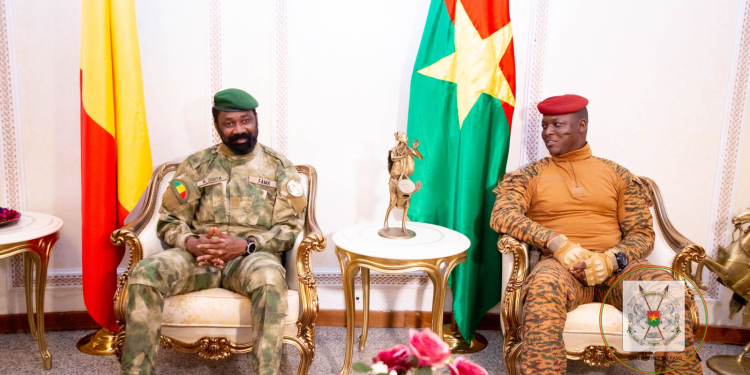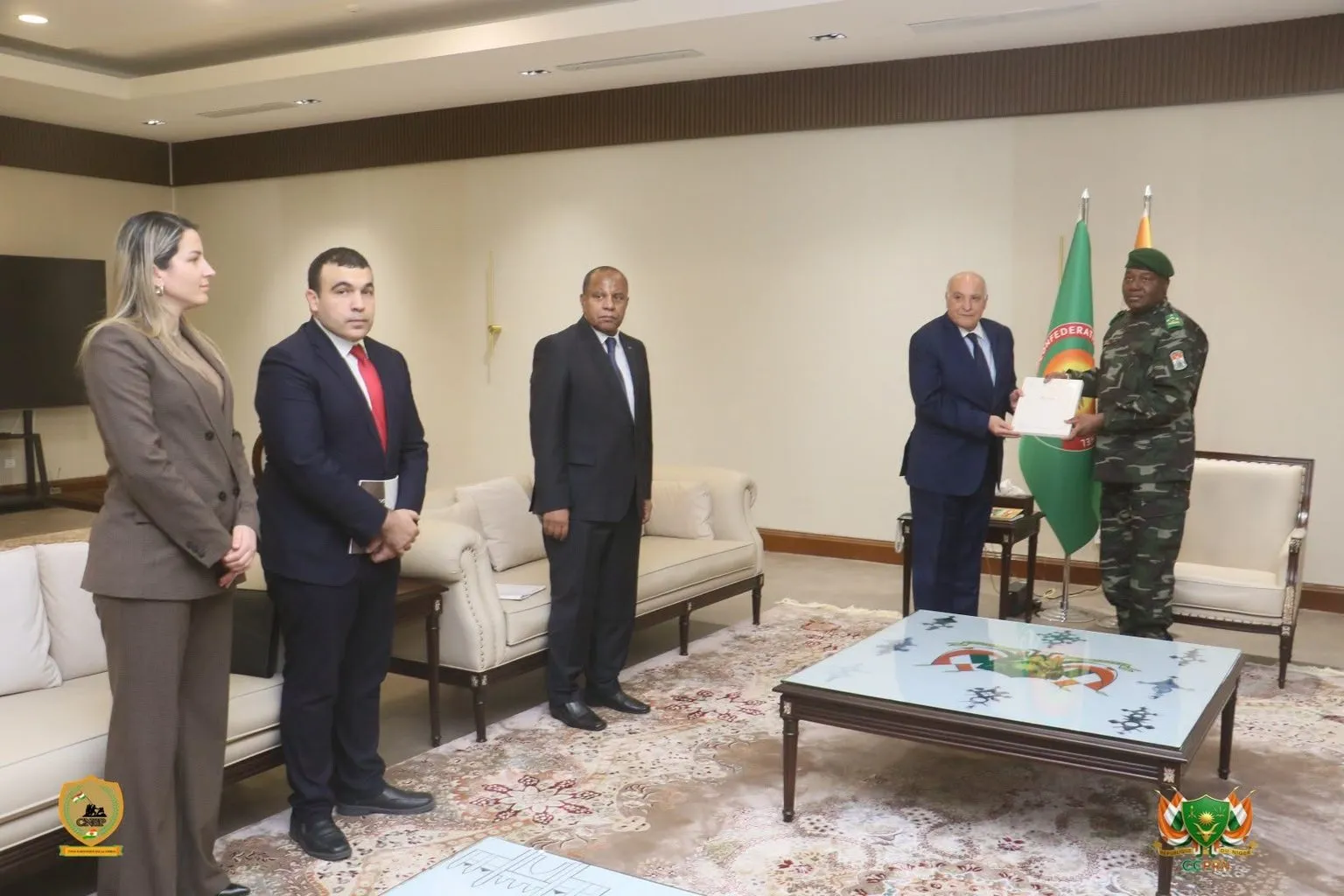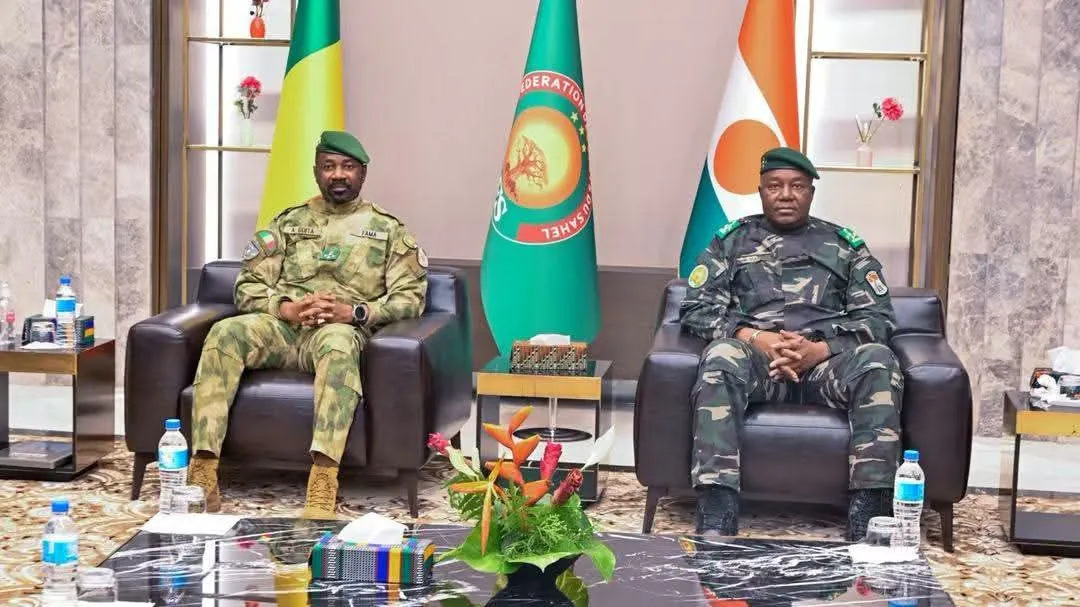
General Abdourahamane Tiani and General Assimi Goïta met in Niamey on 5 November 2026 to discuss regional policy. The two leaders focused on the expansion of the Alliance of Sahel States (AES) confederal framework during their talks in the capital of Niger. Their meeting resulted in a joint commitment to integrate security, diplomacy, and economic development within the AES confederal framework. Mali and Niger intend to align their national strategies to strengthen the collective cooperation between the member states. This agreement establishes a formal path for the two nations to coordinate their governance and economic planning under the existing alliance structure.
Expanding Cooperation Beyond Security
General Abdourahamane Tiani and General Assimi Goïta evaluated plans to synchronize policies governing the free movement of people and goods across their borders. Their discussions in Niamey included proposals to link transport infrastructure between the two nations and to advance agro-industrial development. Both leaders also examined strategies for the joint exploitation of energy and mineral resources within the Sahel.
The scope of these discussions reflects a strategic shift toward deepening the operational integration of the Alliance of Sahel States. By focusing on the free movement of people and goods, the delegations aim to reduce barriers that currently impede cross-border trade and social interaction between Mali and Niger. The inclusion of transport infrastructure in these talks signals a desire to create more efficient logistical corridors capable of supporting the movement of agricultural and industrial output. The emphasis on agro-industrial development represents a targeted approach to enhancing local production capacity and reducing dependency on external supply chains. By coordinating policies on the exploitation of energy and mineral resources, the two leaders seek to maximize the economic utility of the natural endowments found within the territories of the member states.
The dialogue held in Niamey serves as a primary mechanism for defining the future trajectory of the alliance. By aligning their national strategies, General Abdourahamane Tiani and General Assimi Goïta are working to ensure that the governance models of Mali and Niger remain compatible with the broader objectives of the AES confederal framework. This synchronization is intended to facilitate a more cohesive response to regional challenges while simultaneously fostering an environment conducive to long-term economic stability.
Official documentation from the meeting remains limited regarding the practical implementation of these economic goals. The joint communiqué issued by the two delegations did not specify individual projects, funding sources, or timelines for the proposed economic initiatives. The lack of specific implementation details indicates that the current phase of the alliance remains focused on high-level policy alignment and the establishment of a unified strategic vision.
General Assimi Goïta extended an invitation to General Abdourahamane Tiani to conduct an official visit to Mali. General Abdourahamane Tiani accepted the invitation during their session in Niger. This upcoming visit is expected to provide a platform for further discussions regarding the realization of the commitments made during the Niamey summit. The ongoing engagement between the two leaders shows the importance of bilateral coordination in advancing the collective interests of the Alliance of Sahel States.