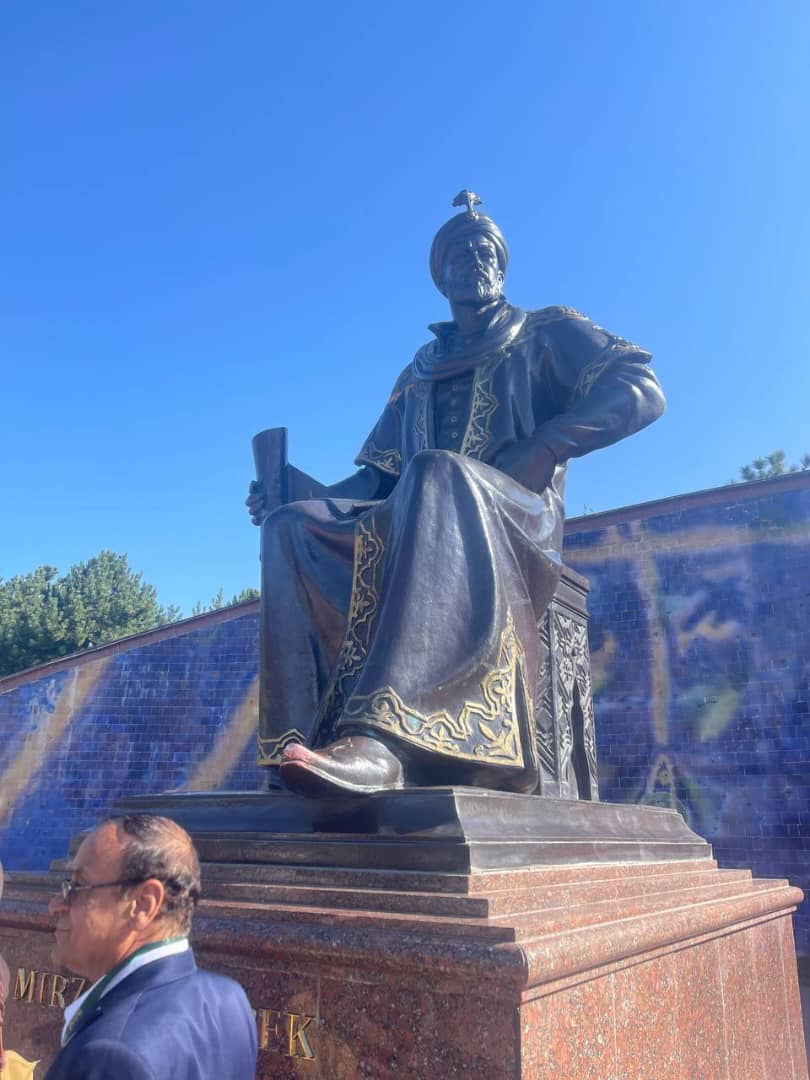
Samarkand, Uzbekistan, served as the location for an event on August 28. The city, a historic hub on the Silk Road, hosted discussions and activities relevant to the broader context of the article. This gathering in Samarkand showed its continued significance as a crossroads for dialogue and cultural exchange, reflecting its enduring role as a meeting point for diverse cultures and ideas throughout history. The choice of Samarkand for such an event notes its symbolic importance as a place where East and West have converged for centuries, facilitating not only trade but also the exchange of knowledge, art, and philosophy. This modern assembly in a city steeped in ancient traditions reinforces its contemporary relevance as a center for international discourse and collaboration.
Ancient Crossroads of Trade
Samarkand is recognized as an ancient millennial crossroads along the former Silk Road trade route, a network that for millennia facilitated the movement of goods, people, and ideas across Eurasia. The city's historical significance as a commercial and cultural center continues to be relevant in modern transportation, echoing its past as a vibrant nexus of global exchange. Its strategic location made it a key stop for caravans carrying silk, spices, precious metals, and innovative technologies between China and the Mediterranean. This rich history of connectivity has left an indelible mark on Samarkand's urban fabric and cultural identity. Currently, the Afrosiyob express train provides a connection from Tashkent to Samarkand, completing the journey in a little over two hours. This modern high-speed rail link symbolizes the city's ongoing connection to broader networks, albeit in a contemporary form, continuing its legacy of facilitating rapid movement and interaction within the region. The efficiency of this connection further solidifies Samarkand's role as an accessible and important destination in Uzbekistan.
Islamic Heritage and Legacy
Kawar is described as the gateway to Islam, dating back to 666. This historical designation notes the region's early significance in the spread of Islamic culture and religion, marking it as one of the first areas to embrace the new faith outside of the Arabian Peninsula. The establishment of Islam in Kawar in the 7th century laid the foundation for a rich religious and cultural tradition that has flourished for centuries. This early adoption played a key role in shaping the spiritual and social landscape of the broader region. A memorial spanning 40 hectares further commemorates the area's rich Islamic heritage, serving as a testament to its long-standing connection to the faith and its historical figures. This expansive memorial site not only honors the past but also serves as a living repository of Islamic art, architecture, and scholarship, offering insights into the architectural and cultural expressions associated with this legacy. It stands as a significant landmark, drawing visitors and scholars interested in the profound historical roots of Islam in this part of the world.
A Mirror to the Past
Samarkand holds the designation of a UNESCO World Heritage site, recognized for its cultural and historical significance. This prestigious status acknowledges the city's outstanding universal value, particularly its well-preserved architectural marvels and urban layout that reflect centuries of diverse influences. The city's status reflects its enduring architectural and urban heritage, which provides insights into its past as a central point on the Silk Road, showcasing the grandeur of Timurid architecture and the sophisticated urban planning of successive eras. The designation by UNESCO shows the international importance of protecting and preserving Samarkand's unique historical landscape for future generations. In a similar vein of preserving ancient structures, Agadez features a mosque that is over four centuries old. This ancient mosque represents a long history of Islamic architecture and community life in the region, standing as a tangible link to earlier eras. Its construction and continued use speak to the resilience and continuity of cultural and religious practices over hundreds of years. Both locations offer a glimpse into the architectural and cultural legacies that have shaped their respective regions over centuries, providing invaluable windows into the human past and the evolution of civilizations.