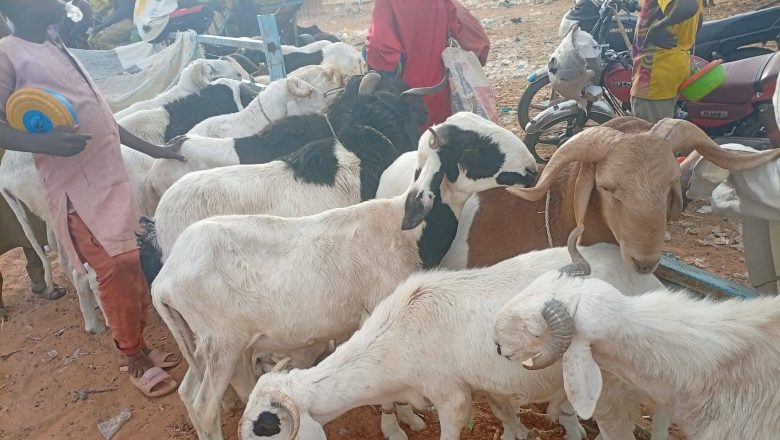
On Friday, May 15, 2026, the weekly market of Matamèye, described as the economic heart of the Zinder region, experienced significant activity. It was on this notable day that a sheep was sold for 345,000 FCFA, a transaction described as exceptional and a record for the market. This remarkable sale notes the dynamic and often high-value nature of livestock trade in the region, particularly for well-bred animals. The Matamèye market, known for its bustling atmosphere and diverse offerings, continues to be a key economic hub, attracting traders and buyers from a wide geographical area.
Broader Livestock Market Trends
The general price trend for livestock at the Matamèye market is upward, reflecting a strong demand and specific market conditions. This upward trajectory is evident across various animal categories, indicating a strong overall performance for breeders and sellers. Medium sheep prices were observed ranging from 50,000 to 70,000 FCFA, representing a significant investment for buyers seeking animals of moderate size and quality. For larger sheep, prices started at 80,000 FCFA and could exceed 100,000 FCFA, showing the premium placed on animals with superior size and condition. The market also saw ewe prices vary between 60,000 and 90,000 FCFA, with larger sizes consistently fetching higher amounts, indicating a clear appreciation for breeding potential and physical attributes.
Goat prices at the market ranged from 30,000 to 50,000 FCFA, making them a more accessible option for many buyers while still representing a valuable commodity. Younger goats, known as kids, were sold for prices between 20,000 and 35,000 FCFA, catering to those looking for smaller or developing animals. Cattle also commanded significant prices, reflecting their substantial economic value and utility. A minimum of 200,000 FCFA was typically required for a modest animal, demonstrating the high entry point for cattle ownership. Well-fed and imposing cattle were priced even higher, exceeding 500,000 FCFA, showcasing the market's capacity for high-value transactions for prime specimens. These varied price points illustrate the diverse needs and purchasing power of the market's participants.
Reasons for High Prices
Breeders in Matamèye attribute the current elevated livestock prices to several interconnected factors, which collectively drive up the market value of their animals. A primary reason cited is the enhanced quality of local breeding practices. These practices have reportedly improved the health and size of the animals, leading to more strong and desirable specimens that command higher prices due to their superior characteristics. The careful care and selective breeding efforts contribute significantly to this perceived quality. Climate realities also play a significant role, influencing forage availability and the overall condition of the livestock. For instance, periods of drought or abundant rainfall directly impact the cost and effort involved in raising healthy animals, which is then reflected in their sale price. Seasonal variations and environmental conditions can impact the cost of raising animals, which is then reflected in their sale price.
Breeders emphasize the inherent economic and symbolic value of the animals, particularly sheep, within the community. This dual value contributes to the willingness of buyers to pay higher prices, especially for well-bred and healthy specimens destined for important cultural or celebratory events. The animals are not just commodities but also hold cultural significance, increasing their demand during specific times of the year. The demand for quality animals, combined with the costs associated with their upbringing in specific climate conditions and their cultural importance, collectively drives the rising prices observed in the market.
Market Significance and Activity
The Matamèye market serves as a central hub for livestock trade within Niger, drawing participants from both the immediate region and surrounding border areas. Its strategic location facilitates significant commercial activity, making it a key nexus for the exchange of various animal types, including sheep, goats, and cattle. This concentration of buyers and sellers contributes to the market's role as a key economic indicator for livestock prices and trends in the area, providing valuable insights into the regional agricultural economy. The consistent flow of animals and traders shows its importance in the regional economy, supporting a vast network of livelihoods. The market’s weekly operations are critical for local breeders and merchants, providing a reliable platform for sales and purchases that impact livelihoods across the region, from small-scale herders to larger commercial enterprises. The record-breaking sale of the sheep further solidifies Matamèye's reputation as a vibrant and influential livestock market.