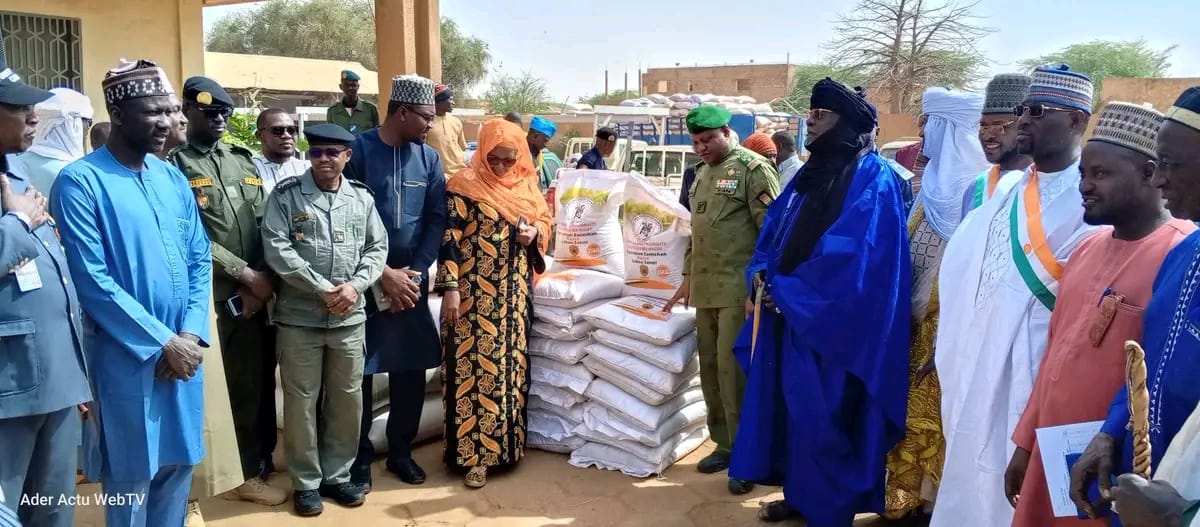
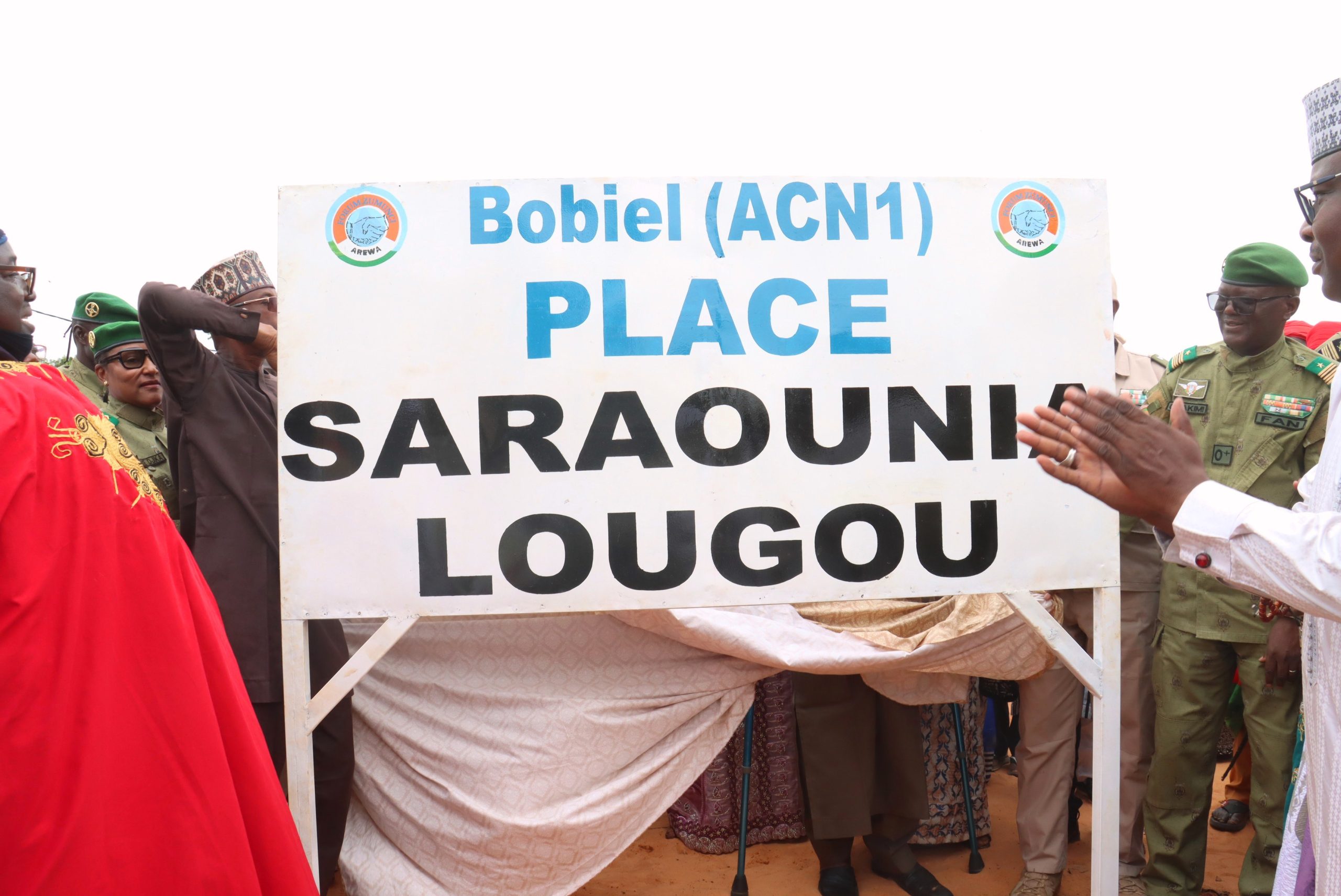
More than 100 million FCFA has been invested in Keita, a commune within the Tahoua region of Niger, to support land recovery initiatives. This significant financial injection is specifically aimed at addressing environmental degradation and fostering ecological restoration across the area. The investment targets efforts to rehabilitate degraded lands and promote sustainable agricultural practices in the area, which are key for the long-term well-being of its inhabitants. This financial commitment shows regional strategies aimed at ecological restoration and improving livelihoods for local communities in Keita, recognizing the vital link between environmental health and socio-economic stability.
Environmental Investment Details
The 100 million FCFA investment allocated to Keita, a commune in Niger's Tahoua region, is part of broader efforts to address environmental degradation. These funds are considered a critical component of the national strategy to combat the adverse effects of climate change and desertification. The funds are specifically earmarked for land recovery projects aimed at restoring ecological balance and supporting local communities, ensuring they have the resources to adapt and thrive. These initiatives are designed to combat desertification and improve soil fertility, which are critical challenges in the region, directly impacting agricultural productivity and food security. The interventions will involve various techniques, including reforestation, soil conservation measures, and the promotion of drought-resistant crops, all contributing to a more resilient landscape.
The investment reflects a strategic focus on environmental sustainability within Niger, particularly in areas like Tahoua, which are vulnerable to climate change impacts. The region's arid and semi-arid conditions make it particularly susceptible to land degradation, necessitating proactive and sustained interventions. Similar programs are being considered or implemented across other regions of Niger, including Tillabéry, Agadez, Zinder, Diffa, Dosso, and Maradi, to enhance resilience and promote sustainable land management practices. This widespread approach indicates a national commitment to safeguarding natural resources for future generations. The financial commitment shows a concerted effort to safeguard natural resources and secure livelihoods for the population, ensuring that environmental protection is integrated into national development plans.
National Safeguard Initiative Context
The investment in Keita is integrated into the 'AN 3 du CNSP' (3 years of the National Council for the Safeguard of the Homeland) series. This initiative notes ongoing efforts under the CNSP framework to address national priorities, including environmental rehabilitation and sustainable development. The inclusion of such vital environmental projects within this series emphasizes the government's recognition of ecological preservation as a cornerstone of national security and prosperity. The 'AN 3 du CNSP' series encompasses various projects and programs designed to mark the third year of the National Council for the Safeguard of the Homeland's activities, focusing on critical sectors across Niger, from infrastructure to social services. The inclusion of land recovery efforts in Tahoua within this series shows the government's commitment to ecological preservation and improving the resilience of local communities against environmental degradation, providing a clear framework for these key activities. These broader efforts aim to support sustainable practices and enhance the well-being of the population in vulnerable regions, fostering a healthier environment and more secure future for all citizens.
Focus on Land Recovery
The initiative shows a concentrated effort towards environmental protection and the rehabilitation of degraded lands within the Tahoua region. This focus is central to broader development strategies aimed at improving ecological conditions and supporting agricultural sustainability for local communities, which largely depend on the land for their livelihoods. Programs are designed to combat desertification and enhance soil fertility, addressing critical environmental challenges prevalent in the area and ensuring the long-term viability of agricultural practices. The strategic allocation of resources reflects a commitment to ecological restoration, particularly in regions susceptible to climate change impacts, where environmental pressures are most acutely felt. These efforts are part of a national push to build resilience and promote sustainable land management practices across Niger, creating a unified approach to environmental challenges. The emphasis on land recovery in Tahoua aligns with a wider agenda to safeguard natural resources and ensure the long-term well-being of the population, thereby contributing to national development goals and environmental stability.