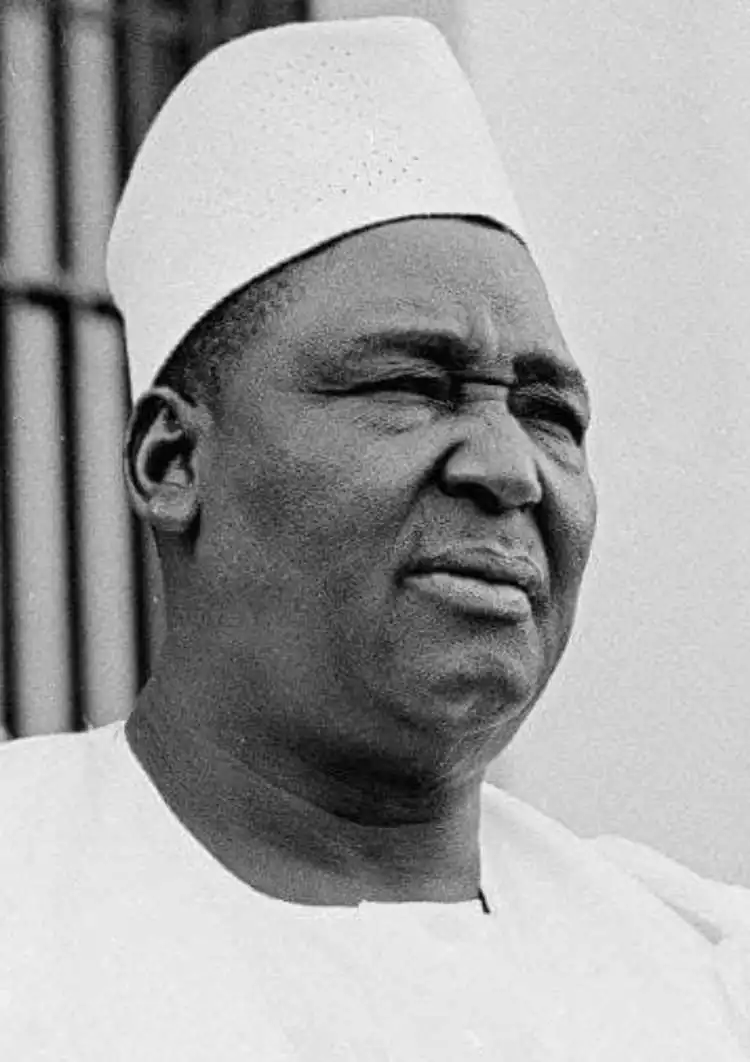
Boubou Hama was born in 1906 in the village of Fonéko. His life spanned a period of significant political and social change in Niger. Throughout his early years and subsequent development, he cultivated a deep interest in the traditions and social structures of his home. His life was defined by his contributions to literature, politics, and the preservation of national culture, before he died in 1982. This death occurred in Niamey, the city where he spent a substantial portion of his later professional life.
Political Rise and Independence
Niger gained its independence from France in 1960. This transition marked a shift in the governance of the nation as it moved away from colonial rule to establish its own political institutions. The process of state-building required the dedication of individuals who understood the complexities of the transition from a colonial administration to a sovereign entity.
Boubou Hama assumed a significant role in this new state, serving as the president of the National Assembly of Niger. He held this legislative position during the presidency of Hamani Diori, working to shape the parliamentary processes of the country during its formative years as an independent republic. As the president of the National Assembly of Niger, he was tasked with overseeing the legislative agenda and fostering the development of political discourse within the newly formed government. His work in this capacity involved navigating the logistical and bureaucratic challenges inherent in establishing a functional parliamentary system. He remained a central figure in the political architecture of the nation, consistently engaging with the legislative requirements of the state as it sought to solidify its independence.
Literary Contributions and Works
Boubou Hama authored the literary work Kotia-Nima. This publication served as a primary example of his commitment to capturing the cultural narratives and oral traditions of Niger. Through his writing, he sought to document the history and social fabric of the region, providing a written record that preserved local stories for future generations. His literary efforts were characterized by an attempt to synthesize the rich oral history of his people into a formal, accessible format. By transcribing these narratives, he ensured that the cultural heritage of the area was not lost to the passage of time or the modernization of society.
The national museum of Niamey is named after Boubou Hama. Located in the capital city, the institution serves as a center for the study and exhibition of the nation's heritage. The decision to designate the facility in his name reflects his influence on the intellectual and cultural landscape of the country. By housing collections that span archaeology, ethnography, and natural history, the museum continues the educational work he pursued during his lifetime. The site remains a focal point for visitors and researchers interested in the history of Niger. The museum functions as a repository for the artifacts and historical materials that Boubou Hama sought to protect, standing as a tangible testament to his lifelong dedication to the intellectual advancement of his country. His influence continues to be felt through the ongoing research and public exhibitions hosted at the institution, which serves as a vital resource for those seeking to understand the historical trajectory of the nation.