An urgent alert has been issued in Niger due to the illegal circulation of a deadly counterfeit pesticide known as "Calthio." This dangerous product, which is being illicitly distributed across the region, has been found to contain Lindane, a chemical substance banned across the Sahel region since the early 2000s due to its severe health and environmental risks. The presence of this counterfeit pesticide, named "Calthio," circulating illegally in Niger, has prompted authorities to raise an immediate warning. This critical situation was initially noted in an article published on June 17, 2026, drawing attention to the significant threat posed to public health and agricultural integrity.
Identifying the Dangerous Fake
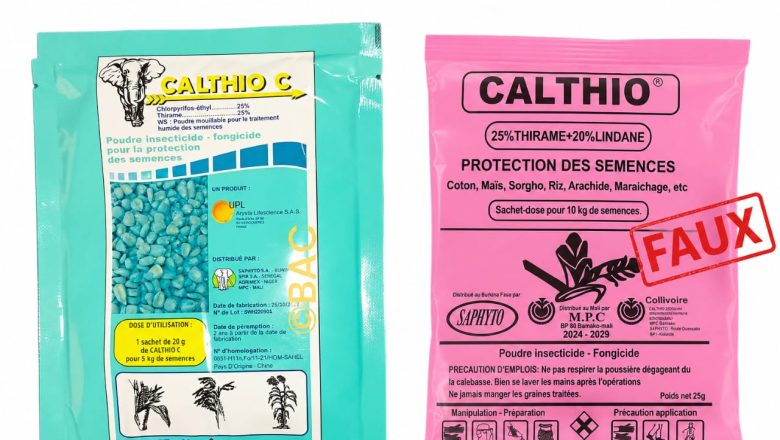
The counterfeit product is clearly identifiable by its distinctive pink sachet and the specific label "25 % THIRAME + 20 % LINDANE – Protection des semences". This illicit packaging also features a false validity date of "2024-2029", designed to mislead unsuspecting buyers into believing the product is legitimate and safe for use. Those producing and distributing the fake pesticide are deliberately impersonating official distributors, including well-known companies such as SAPHYTO and M.P.C. To deceive consumers and circumvent regulatory oversight. This deceptive practice makes it challenging for farmers and agricultural workers to distinguish between genuine and harmful products.
In contrast, the legitimate agricultural product, "Calthio C," has a distinctly different chemical composition. The authentic "Calthio C" contains Chlorpyrifos-ethyl and Thirame, and crucially, it does not include Lindane, the highly toxic chemical found in the counterfeit version. The authentic "Calthio C" is not packaged in a pink sachet, offering a clear visual distinction from the dangerous fake circulating in the market. Local authorities have strongly urged vigilance among the agricultural community and the general public to differentiate between the harmful counterfeit and the approved, safe agricultural product, emphasizing that this distinction is vital for preventing widespread harm.
The Lethal Threat of Lindane
Lindane, the chemical found in the counterfeit "Calthio" pesticide, is classified as a persistent organic pollutant (POP), posing significant and long-lasting risks to both human health and the environment. Its highly toxic nature makes its presence in agricultural products a serious concern, as it can accumulate in the food chain and persist in soil and water for extended periods. The use of Lindane can lead to severe poisoning and death, in addition to causing irreversible damage to soils and broader ecosystems, disrupting ecological balance and threatening biodiversity.
Exposure to Lindane can manifest in acute intoxication symptoms including severe headaches, persistent nausea, and debilitating convulsions. Beyond these immediate, acute effects, chronic exposure to the substance has been unequivocally linked to a range of severe and often irreversible health issues. These chronic effects can encompass various cancers, neurological disorders, and sterility, noting the profound and long-term dangers associated with its illegal use. The chemical's persistence means its harmful impact can endure in contaminated areas and affect populations over extended periods, making remediation extremely difficult and costly. The ban on Lindane across the Sahel region since the early 2000s specifically addresses these grave health and environmental concerns.
Wider Context and Implications
The circulation of counterfeit pesticides, such as the fake Calthio, represents a recurring and widespread problem across West Africa. This issue shows ongoing challenges in effectively regulating agricultural inputs and ensuring product safety within the region's diverse and often informal markets. The presence of such illicit products not only endangers public health and environmental integrity but also undermines the legitimate agricultural sector, eroding trust in official products and distribution channels. This incident, reported in an update published on June 17, 2026, at 17:39 GMT, serves as a stark reminder of the continuous need for strong enforcement, public awareness campaigns, and international cooperation to combat the trade in dangerous counterfeit agricultural chemicals. The fight against these illicit products is key for safeguarding the health of communities and the sustainability of agricultural practices in Niger and the wider West African region.