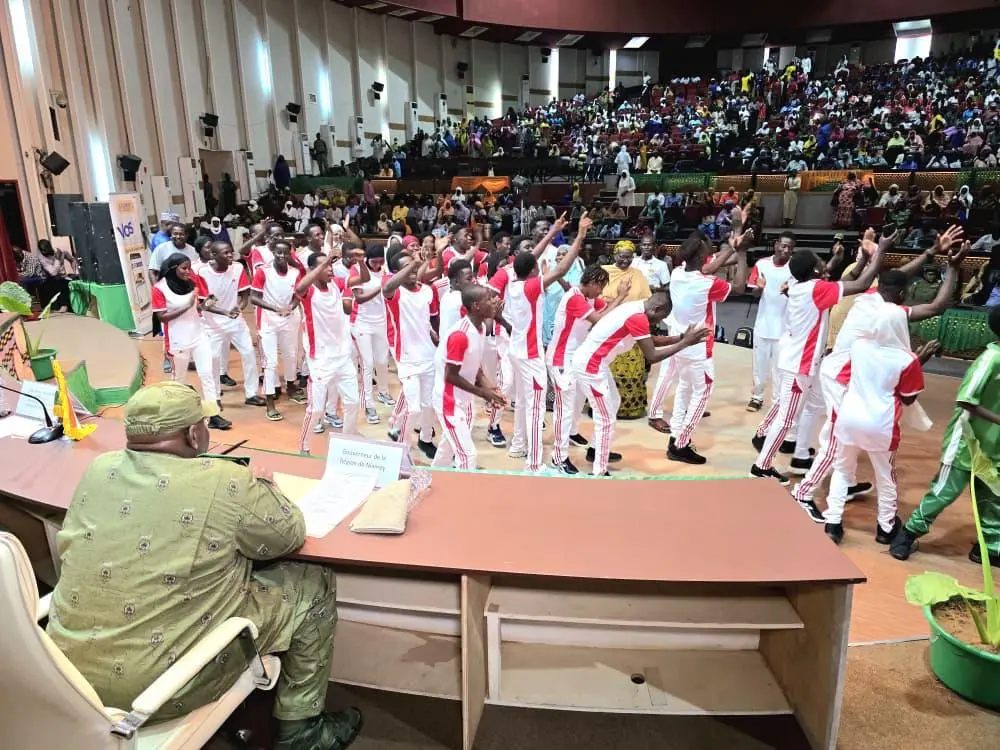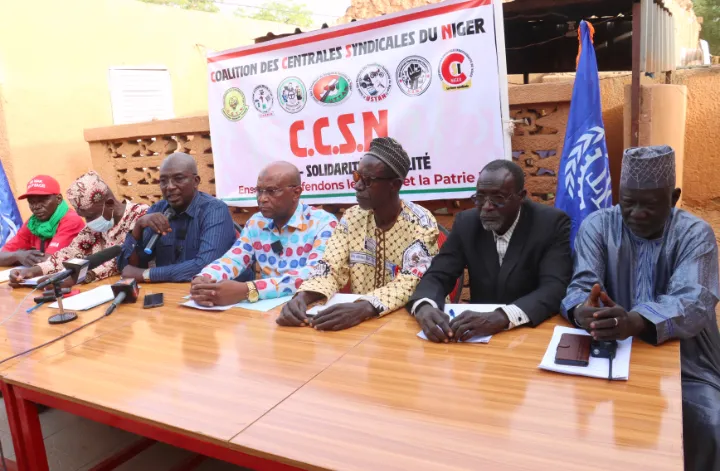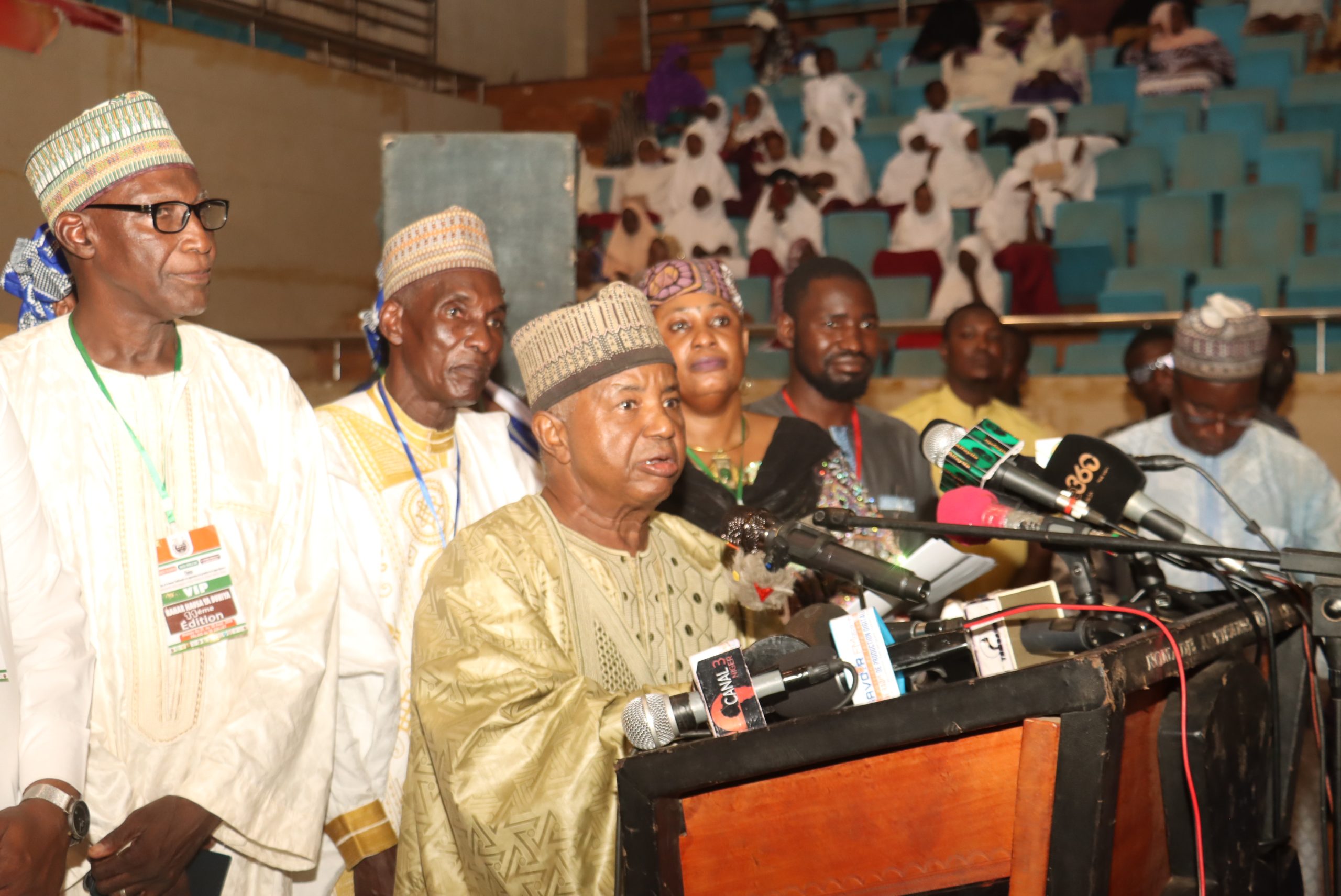
Niger recently hosted the 11th edition of World Hausa Language Day, bringing together participants from various backgrounds to commemorate the profound cultural significance of the Hausa language. This annual event, dedicated to promoting the widespread use and long-term preservation of Hausa, was observed with considerable enthusiasm within the country. The celebration served as a vital platform for stakeholders to discuss the language's role in contemporary society and its enduring legacy.
Focus on Cultural Heritage
The World Hausa Language Day celebration centered prominently on the promotion of cultural heritage. The event in Niger specifically noted the critical importance of preserving and transmitting the rich and diverse traditions intrinsically associated with the Hausa language. Throughout the commemoration, a series of discussions, presentations, and interactive activities were organized, all aimed at raising broader awareness about the invaluable aspects of Hausa culture. This included a focus on its extensive literature, its vibrant musical traditions, and its deeply rooted social customs. Participants consistently emphasized the indispensable role of language as a primary vehicle for maintaining cultural identity and ensuring continuity across multiple generations. The strong focus on heritage during the event showed the broader, overarching goal of ensuring that the Hausa language remains a dynamic and vibrant medium for all forms of cultural expression. This commitment helps safeguard the unique characteristics that define Hausa identity.
Event Details and Location
The World Hausa Language Day celebration was specifically held in Niamey, which serves as the capital city of Niger. The strategic choice of Niamey as the host city showed its significant position within the cultural landscape of the wider Hausa-speaking world. Participants, including scholars, cultural practitioners, and enthusiasts, traveled from various regions to convene in the city for the event, which was meticulously organized to foster both linguistic pride and cultural exchange. The gathering provided an essential platform for full discussions on the future trajectory of the Hausa language and its evolving role in modern society. Niamey effectively served as a central focal point for all the commemorative activities, successfully drawing considerable attention to the language's widespread influence and the community's collective commitment to its preservation. The event in the capital facilitated meaningful engagement and collaboration among a diverse group of attendees, further solidifying its status as a significant and anticipated annual observance on the cultural calendar. The discussions often explored innovative ways to integrate Hausa into new media and educational contexts.
Broader Context and Significance
The celebration of World Hausa Language Day in Niger powerfully shows the language's extensive geographical reach and its profound cultural importance across both West and Central Africa. Hausa is spoken by an estimated 80 million people, with its primary concentrations found in Niger and Nigeria. However, it also holds significant linguistic presence in countries such as Ghana, Cameroon, Chad, Sudan, and Benin. As one of Africa's most widely spoken Chadic languages, its role extends far beyond mere daily communication, serving as a key lingua franca for trade, commerce, and cultural exchange in many regions across the continent. The annual observance notes ongoing efforts by various stakeholders, including governments, educational institutions, and community organizations, to ensure the language's vitality and relevance in the face of increasing globalization. These efforts encompass promoting literacy in Hausa, supporting Hausa media production across different platforms, and encouraging academic study and research into the language. Such events are key for fostering a strong sense of shared identity among Hausa speakers and for preserving the rich oral traditions, extensive literature, and deep historical narratives embedded within the language for the benefit of future generations.
Article Publication Details
The article was published on September 8, 2026. Readers can expect a reading time of 3 minutes for the full report, providing a concise yet full overview of the event and its broader implications.