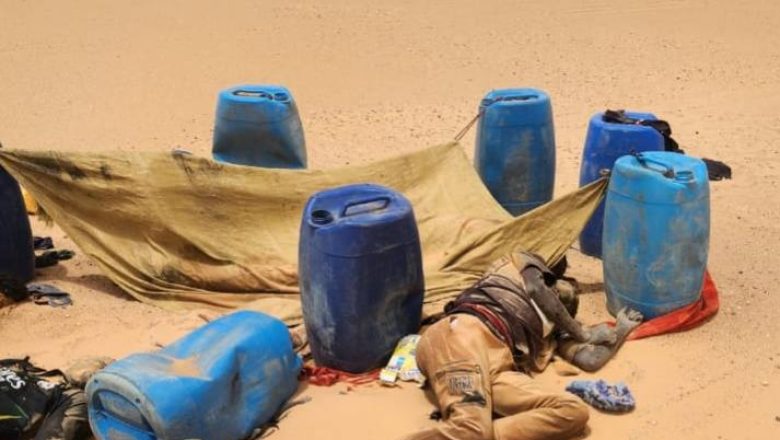
Forty-nine people died of thirst in the desert near Assamaka, Niger, after their truck broke down, according to reports from regional authorities. The tragic incident, which saw dozens perish from extreme dehydration in the harsh desert environment, unfolded following a mechanical failure that left the group stranded. The discovery of the deceased was announced on Thursday, June 4, 2026, by officials in Agadez, the largest city in northern Niger, which serves as a key hub for regional administration and oversight. The incident occurred after a truck carrying approximately 100 travelers became immobilized more than 80 km west of Assamaka, a remote outpost known for its challenging desert conditions. Two survivors, Mohamed Bachir Souley and Issa Omar, managed to reach Assamaka to alert authorities about the tragedy, providing the first critical information regarding the dire situation.
Journey and Tragedy Unfolds
The group of travelers was returning from Mali, where they had attended celebrations for the significant Muslim festival of Eid al-Adha. Their journey, intended to bring them back home, took a devastating turn when their vehicle suffered a critical mechanical failure in one of the world's most unforgiving landscapes. After the truck became immobilized, the driver and passengers made repeated, desperate attempts to repair the vehicle over several days, battling against the escalating heat and the complete absence of water sources. The prolonged struggle proved futile, leading to the tragic loss of life. Dozens of lifeless bodies were subsequently found under the immobile truck and in its surroundings, according to regional reports, starkly illustrating the extent of the disaster. Many of the victims succumbed to thirst and exhaustion as days passed without relief, noting the brutal conditions of the desert environment.
The two survivors, Mohamed Bachir Souley and Issa Omar, demonstrated extraordinary resilience, walking over 50 kilometers across the arid terrain to find water and eventually reach Assamaka. Their arduous trek was the only way to alert authorities to the disaster, noting the extreme isolation of the incident location. Upon their arrival, they relayed the harrowing details of the breakdown and the subsequent deaths. Due to significant logistical, sanitary, and climatic constraints inherent to the remote desert location, the 49 bodies were buried on-site in mass graves. This difficult decision was made to prevent further health risks and out of respect for the deceased, given the impossibility of transporting the bodies across such vast and challenging distances for traditional burials. All victims of this profound tragedy were confirmed to be Nigerien nationals, showing the local impact of such hazardous journeys.
Desert Migration Routes
The ill-fated truck began its journey from Telhandek in northern Mali, a region often traversed by those undertaking informal desert crossings. Assamaka, the location where survivors Mohamed Bachir Souley and Issa Omar eventually reached, is strategically situated on one of the primary migratory routes traversing the vast and perilous Sahara and Sahel regions, according to reports. This route is frequently used by individuals attempting to cross the expansive desert landscape, often with limited resources and facing immense dangers. The incident serves as a grim reminder of the inherent risks associated with these informal pathways.
Officials also reported that a second lorry involved in the broader movement of people had departed from Harouba, a Malian town located more than 300 kilometers from the Niger border. This detail further illustrates the extensive network of these migratory routes and the commonality of such journeys across the region. These routes are notoriously known for their harsh conditions, characterized by extreme temperatures, lack of water, and vast, uninhabited stretches of land, posing significant risks to travelers. The incident notes the severe dangers associated with informal migration pathways through the Sahara desert, often undertaken with limited preparation and inadequate provisions for the extreme environmental challenges encountered. The reliance on often poorly maintained vehicles and the absence of official oversight exacerbate these perils, leading to situations where breakdowns can quickly turn fatal for those onboard.
Official Response and Investigations
Following the discovery of the deceased, administrative and judicial investigations into the incident have been initiated by authorities in Niger. These investigations aim to ascertain the full circumstances leading to the breakdown and the subsequent deaths, and to identify any potential responsibilities. The authorities are working to understand the operational aspects of the journey, including the individuals or networks facilitating such dangerous crossings, and to prevent similar tragedies in the future.
While returning from the remote scene where the 49 bodies were found and buried, the rescue team encountered a separate broken-down lorry. This second vehicle was carrying more than 60 individuals who had themselves been stranded for three days due to a battery failure, showing the widespread nature of such mechanical issues in the desert. The rescue team immediately provided critical assistance, distributing water to these desperate travelers, who were on the brink of succumbing to dehydration. The team successfully assisted in repairing their vehicle, allowing them to continue their journey, narrowly averting another potential mass casualty event. This encounter notes the constant dangers faced by those traversing these routes and the vital role of rescue operations in mitigating further tragedies. The ongoing investigations are expected to shed more light on the broader context of these perilous desert migrations, including the conditions under which these journeys are organized and the factors contributing to their high risk.