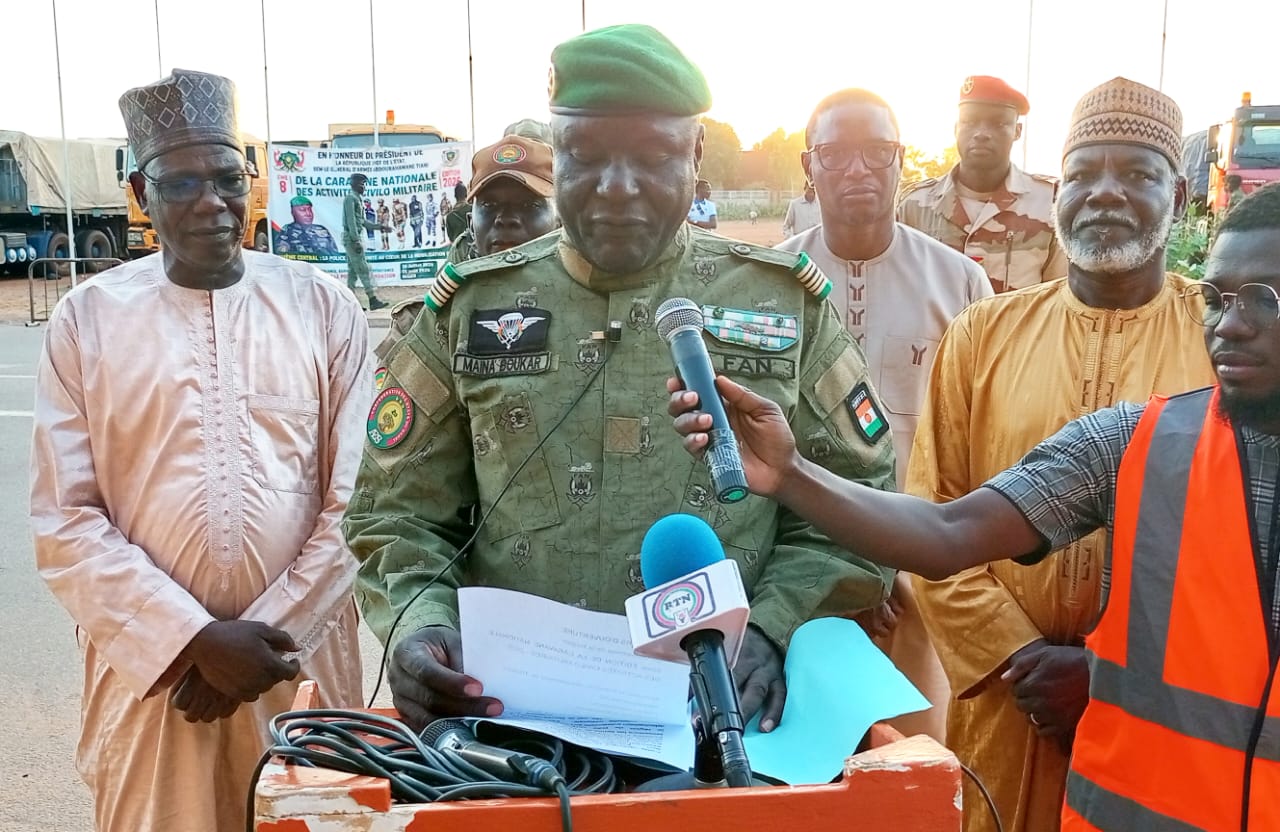
The 8th edition of the civil-military caravan officially launched in Tillabéri on Monday, August 24, 2026. This significant event marked a renewed commitment to fostering stronger community ties and enhancing security. The ceremony, held at the official tribune of the City of Tillabéri, was meticulously organized to show its importance, bringing together various stakeholders and local residents. The primary objective of this caravan is to strengthen social cohesion and bring the Forces de Défense et de Sécurité (FDS) closer to the local populations, thereby bridging any existing gaps and building mutual understanding. This initiative is part of a broader dynamic to consolidate the Army-Nation link and promote peace and security in the region, recognizing that a unified front between security forces and civilians is critical for lasting stability. The theme chosen for this 8th edition, 'La police de proximité au cœur de la mobilisation générale', encapsulates the core philosophy of the program, emphasizing community-oriented policing as a central pillar of collective security efforts.
Official Commitment and Regional Attachment
Colonel Maïna Boukar, Governor of Tillabéri, delivered a powerful address, reiterating the unwavering commitment and availability of the country's highest authorities to support the civil-military caravan initiative. His words showed the governmental priority placed on such programs. Speaking at the launch, Colonel Boukar reaffirmed the Tillabéri region's profound attachment to the ideals of peace, unity, and national solidarity, principles deemed essential for the progress and well-being of its inhabitants. He stated unequivocally that this initiative demonstrates the significant importance the Government places on strengthening cohesion between the Forces de Défense et de Sécurité (FDS) and local populations. This emphasis notes a strategic approach to security that prioritizes community engagement and trust-building over purely coercive measures.
Colonel Boukar further emphasized that this orientation will involve implementing a series of targeted civil-military activities within the Tillabéri region. These activities are specifically designed to strengthen trust between residents and the FDS, fostering an environment where cooperation and mutual respect can flourish. The Governor articulated his full endorsement of this strategic direction, stating, "Nous souscrivons pleinement à cette orientation." He elaborated on the chosen theme, adding, "Mettre la police de proximité au cœur de la mobilisation générale, c’est choisir la prévention plutôt que la répression, le dialogue plutôt que la distance." This statement powerfully conveys the shift towards a more proactive, community-centric policing model, where dialogue and prevention are prioritized as effective tools for maintaining order and building lasting peace.
Proximity Policing and Trust Building
M. Idrissa Adamou Mato, a key figure in the initiative, showed the critical role of specific principles in fostering stability and security across communities. He stated that proximity, listening, and trust represent essential levers for consolidating peace and social cohesion within communities. These three elements, according to Mato, are not merely desirable but fundamental to the success of any security strategy. Mato’s remarks noted a strategic focus on building strong, enduring relationships between security forces and residents, emphasizing that these elements are fundamental to creating a secure and unified environment. The approach aims to ensure that the FDS are not seen as distant authorities but as integral parts of the community, responsive to its needs and concerns.
These actions, rooted in the principles of proximity and dialogue, are anticipated to provide concrete relief for populations, addressing their immediate security concerns and improving their daily lives. The initiative is also expected to contribute significantly to consolidating the Army-Nation link, reinforcing the vital bond between the military and the civilian populace. By engaging directly with communities, the FDS can better understand local challenges and tailor their efforts to meet specific needs, thereby enhancing their effectiveness and legitimacy. The emphasis on proximity and dialogue aims to address community needs directly and build mutual understanding, ultimately strengthening national unity and overall security efforts. This holistic approach seeks to create a resilient social fabric capable of withstanding various challenges.
Ceremony Notes and Future Impact
The launch ceremony for the 8th civil-military caravan in Tillabéri was notably marked by a military parade, a traditional display of discipline and strength. The procession served as a visible demonstration of the Forces de Défense et de Sécurité's presence and unwavering commitment to the region's security and well-being. This public display showed the initiative's objective to reinforce the bond between the military and civilian populations, showcasing the FDS not just as protectors but as partners in national development. The parade also aimed to instill a sense of pride and confidence among the local populace regarding their security forces.
Organizers anticipate that the caravan will continue to build on previous efforts to enhance social cohesion and foster a stronger, more collaborative relationship between security forces and the community. The focus remains steadfast on promoting dialogue and understanding, aiming to create a more stable and unified environment in Tillabéri. By actively engaging with citizens, the FDS can better identify and address local security threats, while also promoting civic participation in maintaining peace. These activities are designed to directly address local needs and contribute to the overall security framework, reinforcing the idea that security is a shared responsibility between the state and its citizens. The success of this 8th edition is poised to set a precedent for future civil-military collaborations in the region.