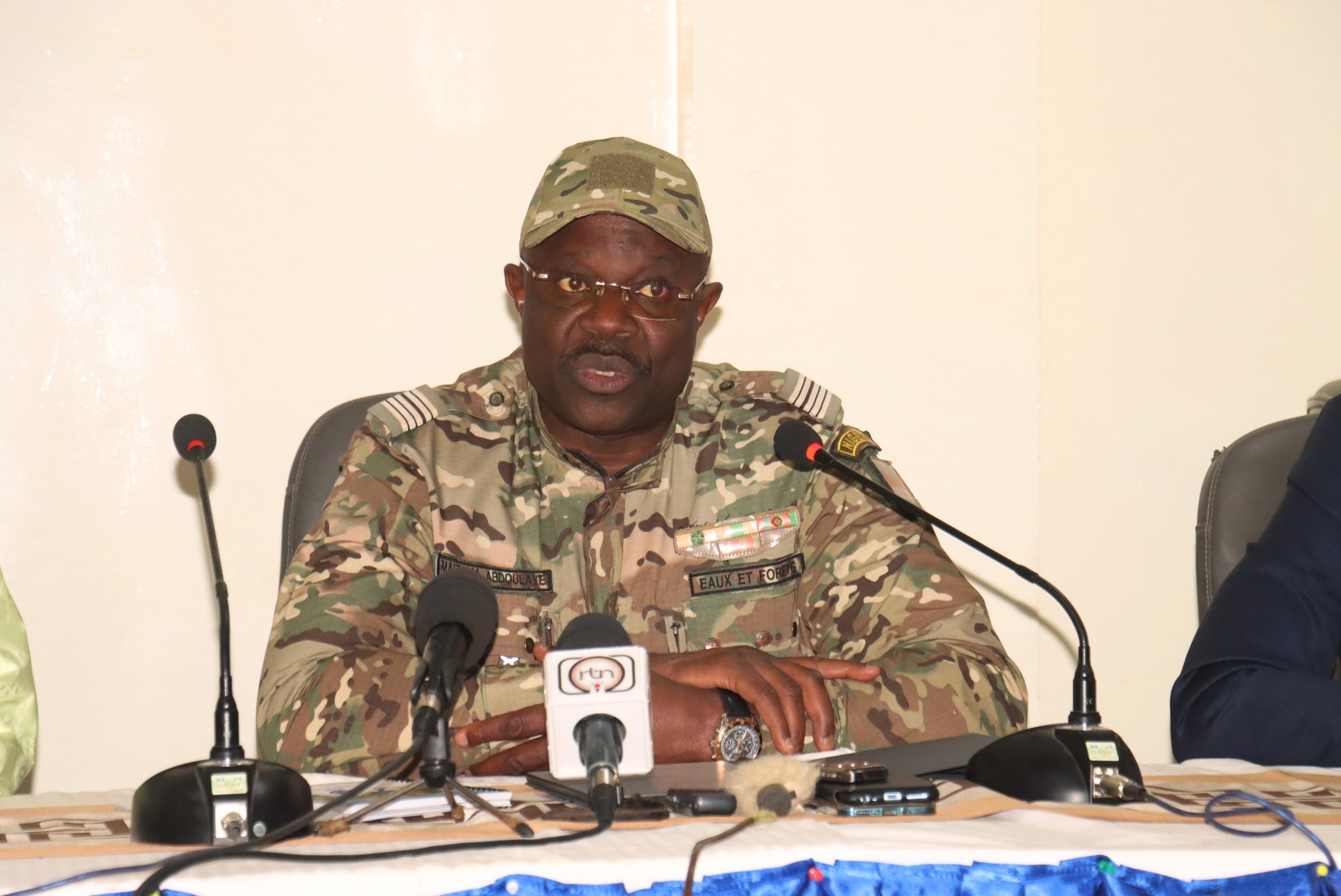
The AES confederation is developing several integrated projects aimed at strengthening environmental protection, mobilizing water resources, and improving access to drinking water across its three member states. These full initiatives are designed to address critical environmental challenges and enhance the well-being of the populations within the confederation. Among these key projects is the planned launch of one thousand boreholes within the AES space, a significant undertaking intended to substantially enhance drinking water and sanitation infrastructure. This ambitious target shows the confederation's commitment to improving public health and access to essential resources. Multiple actions related to these projects are expected to commence before December 31, 2026, marking a key period for the implementation phase.
Integrated Environmental Initiatives
The planned programs encompass a broad spectrum of activities, focusing particularly on water management and climate change mitigation. These include the construction of extensive water retention infrastructure, which will be vital for conserving water resources, especially during periods of scarcity. The initiatives detail the establishment of sophisticated water transfer systems specifically designed for irrigation purposes, aiming to bolster agricultural productivity and food security across the member states. Additionally, the confederation is investing in scientific efforts aimed at artificially inducing rainfall to mitigate the effects of climate change within the AES nations. These innovative approaches are part of a broader strategy to enhance water security and environmental resilience across the member states, ensuring a sustainable future for the region. The scope of these projects reflects a holistic approach to environmental management, recognizing the interconnectedness of water resources, climate patterns, and human development.
Personnel Shortages Hamper Progress
A significant challenge facing the successful implementation of these ambitious initiatives is a shortage of personnel among water and forestry agents, which currently hampers progress. The confederation acknowledges that this staffing deficit poses a substantial impediment to the efficient execution of its environmental and water resource projects. Compounding this issue, no recruitment for water and forestry agents has been carried out since 2015, contributing to a growing and critical staffing gap. This lack of new hires impacts the capacity to implement and manage the proposed environmental and water resource projects effectively within the AES nations, potentially delaying key milestones. Addressing these personnel gaps will be key for the successful deployment of the planned boreholes and other environmental programs by 2026. The existing workforce faces increased pressure due to the expanded scope of these projects without corresponding staff growth, noting the urgent need for strategic human resource planning and recruitment to support these vital national endeavors.
Broader Context and Future Steps
Discussions are underway with the Ministry of Environment, Urban Sanitation, and Sustainable Development for the implementation of the planned environmental projects. These ongoing talks are critical for establishing a strong framework for collaboration and resource allocation. The discussions focus on strategic coordination and resource allocation to ensure the successful deployment of the initiatives across the AES member states, thereby maximizing their impact. The ongoing dialogue is critical for aligning national priorities with the confederation's broader objectives for water security and environmental resilience, fostering a unified approach to these complex challenges.
The negotiations aim to finalize agreements on the operational framework and timelines for all projects, including the construction of water retention infrastructure, the development of water transfer systems for irrigation, and the scientific efforts for artificial rainfall induction. Further steps involve securing the necessary approvals and logistical support to commence project activities before the December 31, 2026 deadline. These preparatory discussions are foundational for overcoming potential implementation challenges and ensuring the sustainability of the proposed environmental programs. The collaborative approach with national ministries is designed to integrate the projects smoothly into existing environmental management strategies, ensuring long-term success and benefits for the populations of the AES nations. The commitment to these projects shows the confederation's dedication to improving living conditions and protecting natural resources for future generations.