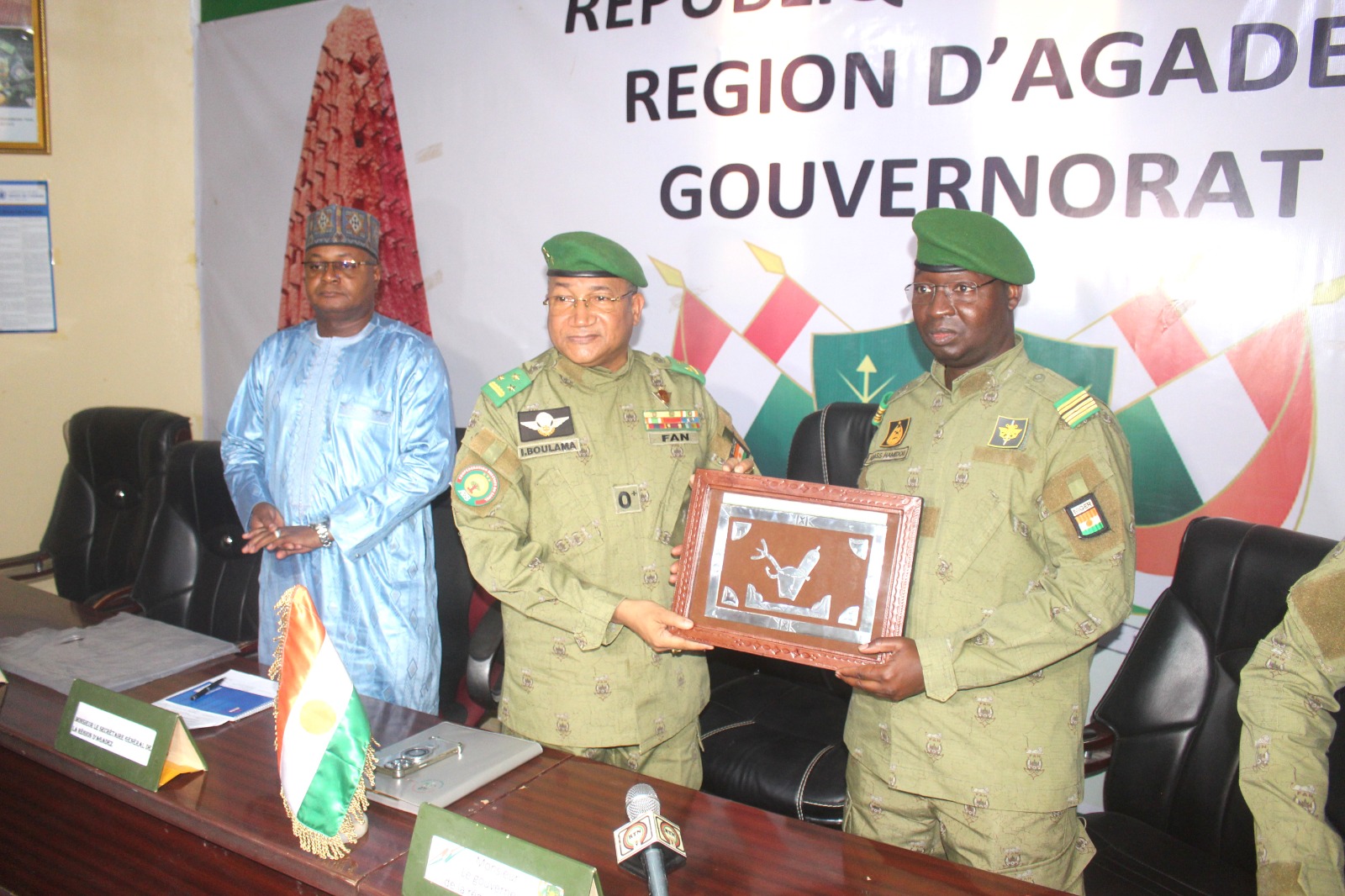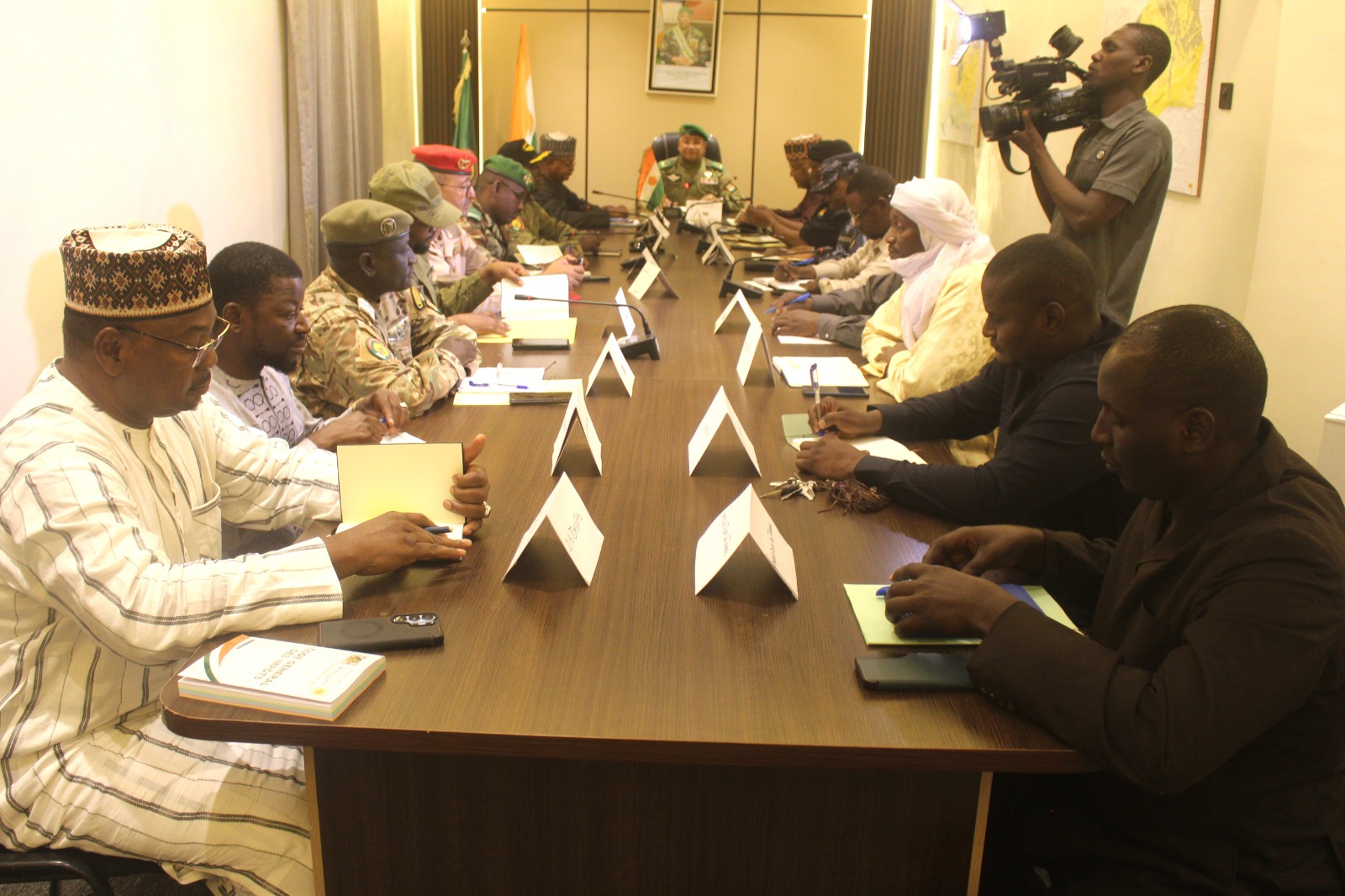
General Ibra Boulama Issa, Governor of Agadez, presided over an expanded Regional Security Council (CRS) meeting on Tuesday, June 9, 2026. The gathering took place in the Governorate of Agadez, specifically within the usual meeting room of the Governorate. This session convened key regional stakeholders to address pressing security concerns within the region. The Governor's oversight of the CRS meeting shows the ongoing efforts to coordinate security strategies and ensure stability across Agadez. The council members discussed various security challenges and potential collaborative solutions, aiming to fortify the region's resilience against emerging threats. The meeting, which was chaired by General Ibra Boulama Issa, noted the commitment of regional authorities to a proactive approach in maintaining peace and order.
Expanded Council Composition
The expanded meeting saw the inclusion of several key regional directorates, broadening the scope of participants beyond traditional security actors. Among the new attendees were representatives from the Regional Directorate of Commerce, the Regional Directorate of Urbanism, the Labor Inspection, the Regional Directorate of Health and Public Hygiene, and the Regional Directorate of Taxes. This expansion aimed to integrate diverse perspectives and expertise into the security discussions. The composition of the council meeting further encompassed both civilian and military members, ensuring a full representation of authorities involved in regional governance and security operations. The decision to expand participation reflected a strategic move to incorporate a wider range of insights into security planning and implementation. This inclusive approach reflects an effort to address security challenges through a multi-sectoral lens, incorporating insights from economic, health, and urban planning sectors alongside defense and law enforcement. The presence of these varied directorates allowed for a holistic examination of factors impacting regional stability.
Meeting Context and Location
The expanded Regional Security Council meeting convened in the usual meeting room of the Governorate in Agadez. This established location served as the central venue for discussions among the various regional stakeholders. The selection of the Governorate’s established meeting room showed the routine nature of such security council gatherings while facilitating the participation of numerous key regional directorates. These included representatives from the Regional Directorate of Commerce, the Regional Directorate of Urbanism, the Labor Inspection, the Regional Directorate of Health and Public Hygiene, and the Regional Directorate of Taxes. The meeting brought together both civilian and military members to address pressing security concerns within the Agadez region. The familiar setting provided an environment conducive to open dialogue and strategic planning among the diverse group of attendees. General Ibra Boulama Issa, Governor of Agadez, presided over the discussions, guiding the council through the agenda items and ensuring all perspectives were considered.
Significance of Broader Participation
The inclusion of representatives from the Regional Directorate of Commerce, the Regional Directorate of Urbanism, the Labor Inspection, the Regional Directorate of Health and Public Hygiene, and the Regional Directorate of Taxes aimed to integrate diverse perspectives into security discussions. This expanded participation moved beyond traditional security actors, bringing in civilian expertise to address challenges. The wider array of stakeholders allowed for a multi-sectoral approach to regional stability, incorporating insights from economic, health, and urban planning sectors alongside defense and law enforcement. Governor Ibra Boulama Issa’s decision to involve these directorates in the Agadez Regional Security Council meeting reflected an effort to develop more full and integrated solutions for the region's security landscape. This structure ensured that both civilian and military members contributed to the deliberations, fostering a collaborative environment. The expanded composition of the council, with its blend of civilian and military expertise, is expected to yield more effective and sustainable security outcomes for the Agadez region.