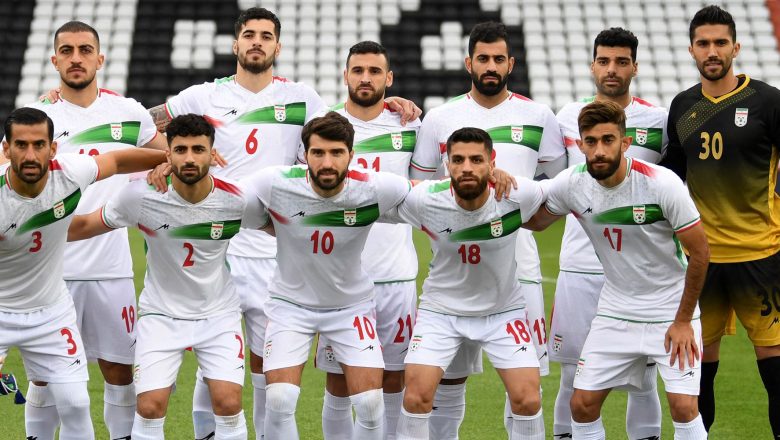
Iran's national football team has been compelled to establish its pre-World Cup training base in Tijuana, Mexico, after encountering significant administrative difficulties, including US visa restrictions, ahead of the 2026 tournament. The 2026 World Cup is organized jointly by the United States, Mexico, and Canada. The team's original plans to train in Tucson, Arizona, had to be abandoned due to these issues. The Iranian team will play their three group matches starting June 15th. Facing these challenges, the Iranian team previously raised these administrative difficulties with FIFA, seeking resolution for their logistical concerns. This intervention with FIFA showed the severity of the administrative hurdles the team faced in preparing for the global tournament.
Visa Hurdles and Base Camp Shift
The Iranian national team secured their visas on Saturday, June 5th, though these travel documents came with significant restrictions. This development prompted the team to establish its base camp in Tijuana, Mexico. The decision to install their base camp in Tijuana was a direct consequence of the limitations placed on their entry into the United States. The United States had previously denied visas to several key members of the Iranian staff. Among those affected was the president of the Iranian Football Federation, who was explicitly refused entry. This refusal extended to other non-playing personnel, creating a significant challenge for the team's support structure. The limitations imposed on the visas for the broader team necessitated the change in training location. The original plan to train in Tucson, Arizona, could not proceed due to these visa challenges, forcing the team to abandon their preferred training site. The team's presence in Tijuana allows them to operate closer to the tournament venues while navigating the logistical constraints. The shift from Tucson to Tijuana notes the unexpected administrative hurdles that have complicated Iran's World Cup preparations. The decision to move the base camp to Mexico shows the administrative hurdles encountered by the Iranian squad in the lead-up to the World Cup.
Logistical Nightmare for Team Iran
For the 2026 World Cup, Iranian players are unable to stay in the United States and can only enter the country on match days, departing immediately after each game. This restriction necessitates frequent cross-border trips from Mexico for the team. This unique arrangement means that after each match played on US soil, the Iranian squad must promptly return to their base in Tijuana. Tijuana, a border city in northern Mexico, is in immediate proximity to the United States, making it a strategically chosen base for the Iranian squad under these circumstances. The city's geographical location directly adjacent to the US border is key for minimizing travel time and logistical complexities arising from the visa restrictions. The team's presence in Tijuana will involve regular commutes across the border to fulfill their tournament commitments, a logistical challenge that few other participating nations will face. These frequent border crossings are expected to add an unprecedented layer of complexity to the team's tournament schedule and recovery protocols. In anticipation of the team's arrival and the logistical complexities, security measures have been reinforced in Tijuana. Local authorities have implemented enhanced security protocols to ensure the safety and smooth operation of the Iranian team's stay and their cross-border movements. The arrangements highlight the unique operational challenges faced by the Iranian national team as they prepare for the global tournament, requiring careful planning and coordination for every match day.
FIFA Intervention and Broader Context
The 2026 World Cup tournament is scheduled to run from June 11 to July 19. This expanded tournament will span over a month, featuring numerous matches across the host nations. For the Iranian national team, only the players were able to obtain visas, which are valid exclusively on match days. This critical limitation means that non-playing staff will not be able to accompany the team into the United States for games, posing a significant challenge for the team's support network and operational efficiency during critical match periods. The US Secretary of State had previously issued a warning in April, stating that not all members of the Iranian team would be granted a visa for entry into the United States. This early warning foreshadowed the visa difficulties that ultimately led to the team's altered plans and logistical adjustments. The upcoming tournament, hosted jointly by the United States, Mexico, and Canada, will be an expanded event, featuring 48 teams competing for the championship. This marks a significant increase from previous tournaments, adding to the global scale and complexity of the event. The specific restrictions on the Iranian team's visas show the administrative hurdles encountered in the lead-up to the global competition, noting the unique challenges faced by certain nations participating in the World Cup. The Iranian team had previously seized FIFA regarding these administrative difficulties, seeking intervention and resolution for the unprecedented logistical constraints placed upon them. Despite these efforts, the limitations on their US entry remain a defining factor in their World Cup journey.