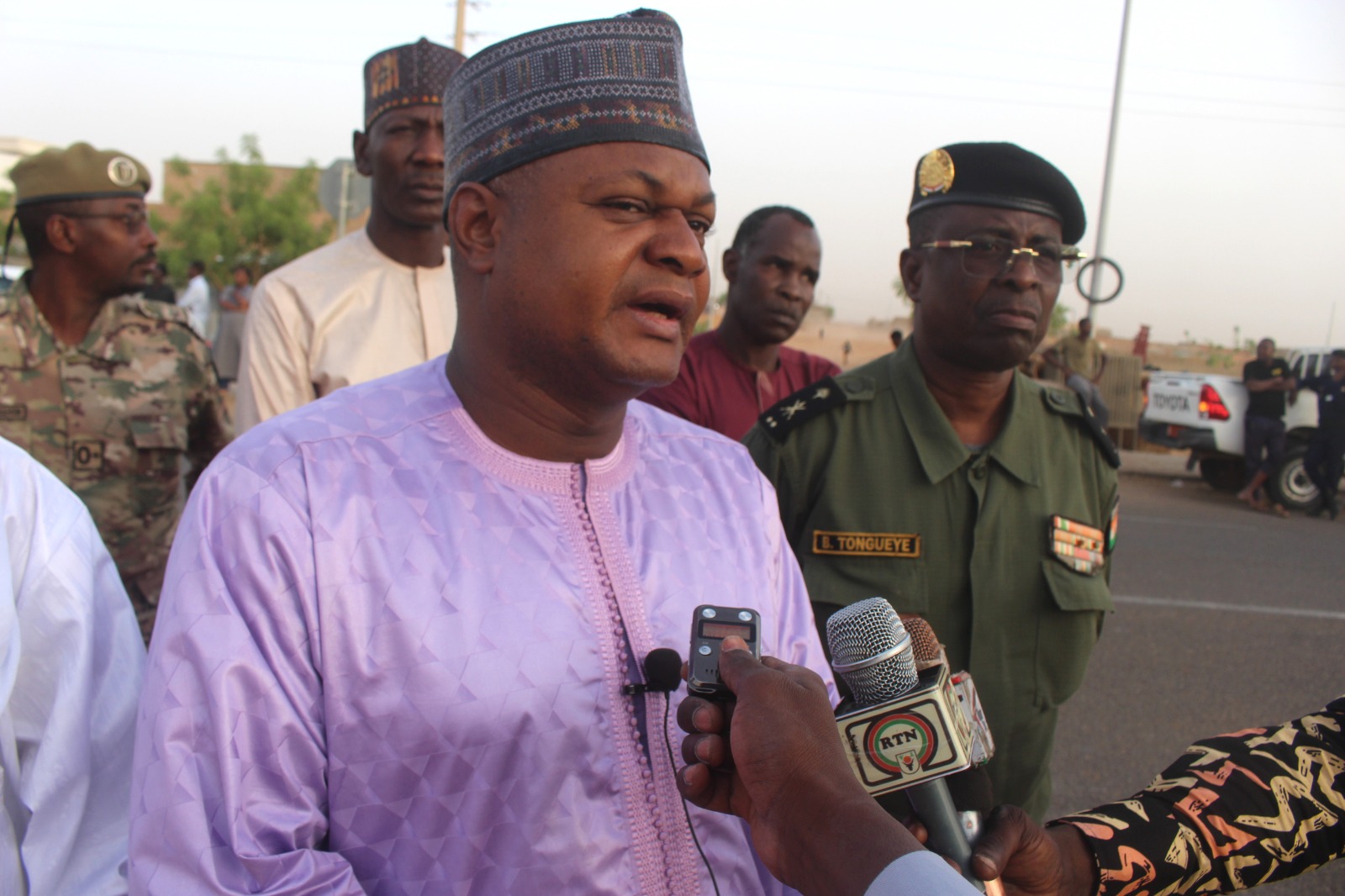
The Governor of the Tahoua Region was formally enthroned as the Tchiroma of Adar, a significant traditional title within the region. This key event, which saw the Governor of the Tahoua Region being enthroned as Tchiroma of Adar, marks a profound moment in the intersection of modern governance and ancestral practices. The ceremony marked the official recognition of the Governor in this important customary role, strengthening ties between administrative and traditional leadership in Tahoua. The enthronement notes the blending of modern governance and ancestral customs, reflecting the cultural heritage of Adar. This event pertains directly to traditional chieftaincy, showing its enduring relevance in contemporary society and its capacity to integrate with state administration. The Tchiroma of Adar title itself carries centuries of history and cultural weight, making this integration particularly noteworthy for the region.
The Enthronement Ceremony
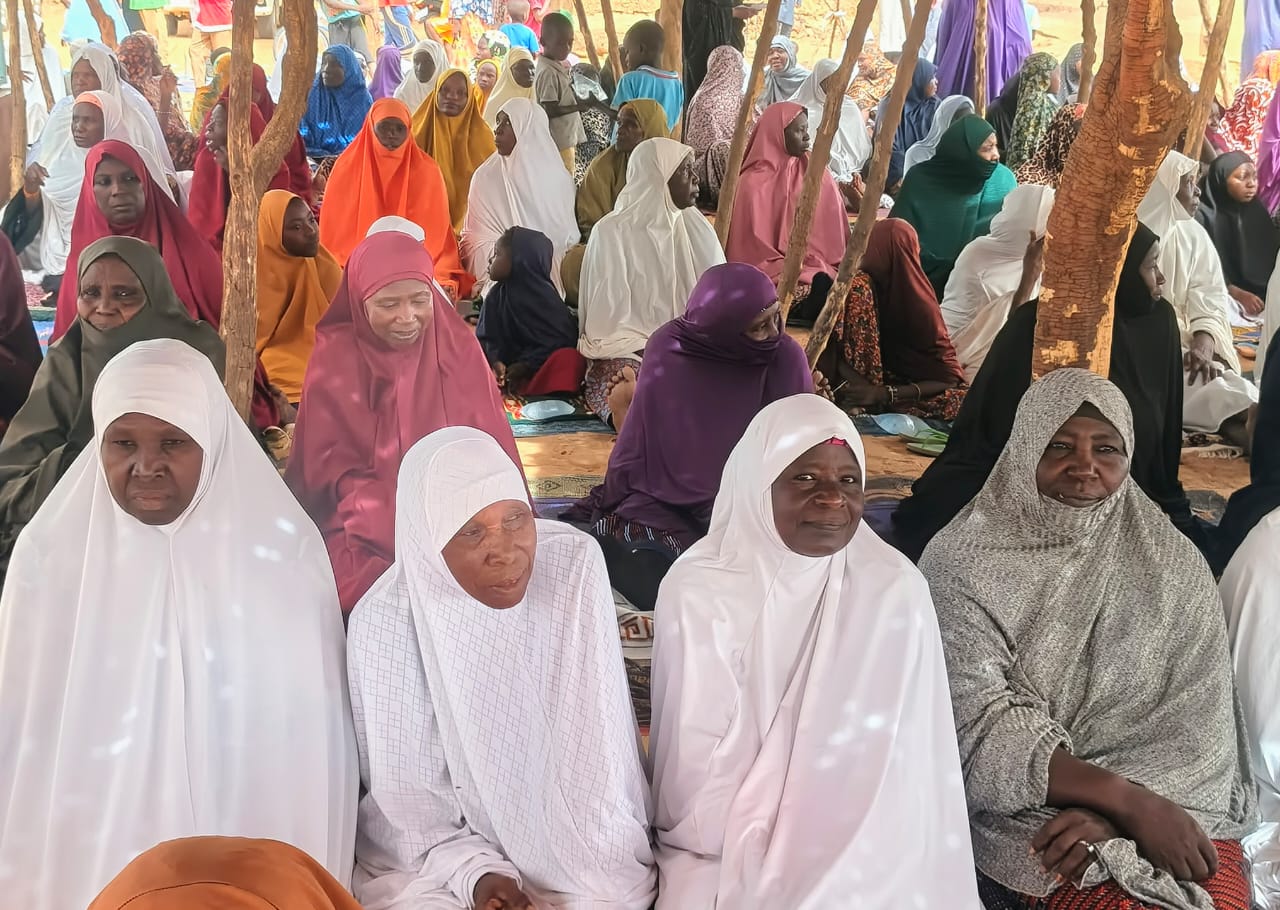
The enthronement ceremony for the Governor of the Tahoua Region as the Tchiroma of Adar took place in a setting rich with cultural significance. The elaborate proceedings were carefully orchestrated to honor the deep-seated traditions associated with the Tchiroma title. The event showed the deep historical roots and ongoing importance of traditional leadership within the Adar community. Dignitaries, community elders, and a large number of local residents observed the proceedings, which featured customary rituals passed down through generations. These rituals are not merely symbolic; they are understood to be essential for the legitimate transfer of traditional authority and the acceptance of the new titleholder by the community. The ceremony served not only as a formal installation but also as a public affirmation of the Governor's new role within the traditional hierarchy of Adar, solidifying his position as a figure respected by both administrative and customary norms.
The traditional rites included specific symbolic acts designed to formally integrate the Governor into the lineage of the Tchiroma. These acts are deeply embedded in the cultural fabric of Adar, representing a continuity of leadership that predates modern state structures. These acts are understood to bestow the authority and responsibilities associated with the title, connecting the modern administrative leader to the ancestral customs of the region. The atmosphere was marked by both solemnity and celebration, reflecting the dual nature of the event as a serious political and cultural transition, and a festive occasion for the community. The careful adherence to traditional protocols during the enthronement showed the profound respect given to the institution of traditional chieftaincy. The attire of the participants, including the Governor, was chosen to reflect the traditional aesthetics of the Adar people, further emphasizing the cultural fidelity of the ceremony and its authenticity.
Following the core enthronement rituals, various traditional leaders from across the Tahoua Region offered their congratulations and pledges of support to the newly installed Tchiroma. This segment of the ceremony noted the interconnectedness of traditional authorities and their collective recognition of the Governor's enhanced role, signifying a broad consensus among the customary leadership. Speeches delivered during the event often emphasized themes of unity, continuity, and the preservation of cultural heritage, aligning the traditional role with the broader development goals of the Tahoua Region. These addresses served to articulate the shared vision for the region, where traditional wisdom and modern governance can collaboratively work towards progress. The occasion was widely seen as a moment of communal pride and a reaffirmation of the region's unique cultural identity, celebrating the living heritage of Adar.
The presence of a diverse audience, including both local villagers and representatives from various administrative bodies, reflected the dual significance of the Tchiroma title. It is a position that commands respect within traditional structures while also serving as a bridge to contemporary governance. This dual presence showed the full nature of the event, appealing to both customary adherents and state officials. The ceremony concluded with a series of cultural performances, including music and dance, which celebrated the rich artistic traditions of Adar and provided a vibrant end to the formal proceedings. These performances reinforced the cultural context of the enthronement, making it a memorable event for all in attendance and solidifying the Governor's position as a key figure in both administrative and traditional spheres. The entire event served as a powerful demonstration of how deeply traditional chieftaincy remains interwoven with the social and political life of the Tahoua Region.
Significance of Traditional Chieftaincy
The enthronement of the Governor of the Tahoua Region as the Tchiroma of Adar shows the enduring significance of traditional chieftaincy in the region. This event pertains directly to traditional chieftaincy, illustrating its continued vitality and adaptive capacity in a modern administrative context. Traditional chieftaincy systems, deeply rooted in the historical and cultural fabric of Adar, continue to play a vital role in local governance and community cohesion. These systems often provide a key link between state administrative structures and local populations, acting as intermediaries in various social, economic, and political matters. The integration of a high-ranking state official, such as the Governor, into this traditional hierarchy signifies a deliberate approach to acknowledge and incorporate these customary institutions into contemporary governance frameworks, recognizing their inherent value and influence.
Traditional leaders, including the Tchiroma, frequently hold considerable moral and social authority within their communities. Their roles extend beyond ceremonial duties to include dispute resolution, the preservation of cultural heritage, and mobilization of community support for local development initiatives. The Tchiroma, as a traditional leader, is expected to embody the values and aspirations of the Adar people, acting as a guardian of their customs and traditions. The formal recognition of the Governor as Tchiroma of Adar therefore strengthens the legitimacy of both the administrative authority and the traditional institution. It bridges the gap between modern administrative practices and the long-standing customs that shape community life in the Tahoua Region. This dual role allows the Governor to operate within both systems, potentially enhancing the effectiveness of public policies by aligning them with local cultural norms and traditional structures of authority, thereby fostering greater acceptance and compliance among the populace.
The continued relevance of traditional chieftaincy is also evident in its capacity to maintain social order and cultural identity. In many parts of Africa, including the Tahoua Region, traditional leaders are seen as custodians of ancestral lands, customs, and values. Their involvement in public life helps to ensure that development projects and administrative decisions are culturally sensitive and responsive to the specific needs of local populations. By participating in traditional enthronements, state officials implicitly endorse the value of these institutions, acknowledging their importance in maintaining stability and fostering a sense of shared identity among the people of Adar. The ceremony for the Governor of Tahoua Region notes this ongoing interplay between traditional and modern forms of governance, reflecting a broader trend of integrating customary law and leadership into national administrative frameworks. This strategic integration serves to reinforce the cultural foundations of the region while advancing administrative objectives.
The Tchiroma of Adar title, now held by the Governor, represents a powerful symbol of this integration. It signifies a commitment to working with, rather than against, the established traditional structures. This approach can lead to more sustainable development outcomes and a more harmonious relationship between the state and its citizens, particularly in rural areas where traditional authority often holds sway. The recognition of traditional chieftaincy through such high-profile events also helps to preserve indigenous knowledge systems and governance models, ensuring that they continue to evolve and contribute to the region's overall well-being. This symbiotic relationship between modern administration and traditional chieftaincy is a hallmark of effective governance in culturally rich regions like Tahoua.
Broader Regional Impact
The enthronement of the Governor of the Tahoua Region as the Tchiroma of Adar carries implications that extend beyond the immediate locality, influencing regional governance and fostering a closer relationship between state administration and traditional institutions across the broader Tahoua Region. This event sets a precedent for how modern administrative roles can intersect with deeply rooted customary authority, potentially impacting political dynamics and social cohesion in neighboring areas. The formal recognition and integration of a high-ranking state official into a traditional leadership structure like the Tchiroma of Adar can strengthen the legitimacy of both governmental and traditional bodies throughout the region. This is particularly significant in a region where traditional leaders often serve as key interlocutors between the government and the grassroots.
Such an integration often facilitates improved communication and cooperation between administrative authorities and local communities, which can be key for development initiatives and conflict resolution. When the Governor of the Tahoua Region assumes a traditional title, it signals a commitment from the state to acknowledge and respect indigenous governance systems, potentially encouraging similar arrangements in other parts of the region where traditional leaders hold significant influence. This model could lead to more effective implementation of public policies, as they would be more likely to align with local customs and gain community acceptance. The enhanced credibility of the Governor in his dual capacity can unlock new avenues for collaborative problem-solving and resource mobilization.
The event also shows the enduring cultural identity of Adar and its people within the Tahoua Region. By elevating the Governor to a traditional role, the ceremony reinforces the cultural heritage of Adar, promoting a sense of pride and continuity among its inhabitants and potentially inspiring similar cultural affirmations in other sub-regions. This blending of roles might also serve to stabilize the region by creating a shared framework of authority that encompasses both modern legal structures and ancient customary practices. The collaborative approach demonstrated by this enthronement could foster greater unity and mitigate potential friction between different forms of governance across the Tahoua Region. The Governor's assumption of the Tchiroma of Adar title thus becomes a powerful symbol of unity and cultural respect, resonating throughout the entire administrative area.
The successful integration exemplified by the Governor's enthronement as Tchiroma of Adar can serve as a model for other regions facing similar challenges in balancing modern governance with traditional structures. It notes the potential for synergy when state institutions actively engage with and legitimize traditional leadership. This approach can lead to more inclusive governance, where the voices and customs of local communities are not only heard but also formally integrated into decision-making processes. The long-term impact could be a more resilient and culturally anchored administrative system that truly reflects the diverse heritage of the Tahoua Region. The event, therefore, is not just a local affair but a significant development in the ongoing evolution of governance in the broader West African context.