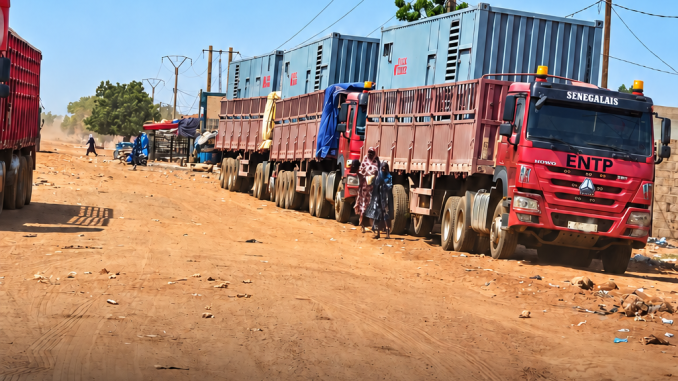
Four generators were delivered to the Agadez region to address ongoing electricity shortages, according to a report published by Aïr Info on October 12, 2026. The equipment arrived in the northern Niger city to bolster local power capacity. Regional officials coordinated the arrival of the units to support infrastructure managed by NIGELEC and SONICHAR. These generators are intended to stabilize the energy supply for residents and businesses within the area. Le Sahel also noted the arrival of the machinery as part of the regional effort to mitigate the impact of recent power instability. The deployment of this equipment marks a direct response to the requirements of the local electrical grid.
The arrival of these four units represents a significant logistical undertaking for the region. By securing this equipment, local authorities aim to reduce the frequency of outages that have impacted the area. The coordination between regional officials and the utility providers, NIGELEC and SONICHAR, was essential to ensure the arrival of the units. This collaborative process involved multiple stakeholders focused on the integration of the new machinery into the existing electrical infrastructure. The delivery of these specific generators follows the identified needs of the Agadez region for a more consistent and reliable energy supply.
Technical Specifications of Equipment
Each of the four newly delivered generators possesses a power capacity of three megawatts. These units provide a total of twelve megawatts of additional nominal capacity to the regional grid. The technical specifications of these units were selected to align with the existing infrastructure operated by NIGELEC and SONICHAR. By adding twelve megawatts of capacity, the regional grid is better positioned to handle the load requirements of the population and commercial entities operating in Agadez.
Agadez currently faces electricity requirements estimated at sixteen megawatts, according to data reported by Le Sahel. Officials intend for the new equipment to address the gap between this total demand and existing local supply. The sixteen-megawatt figure serves as the primary benchmark for regional energy planning. Meeting this target is considered a priority for maintaining the functionality of local services and infrastructure that rely on a stable power connection.
The SONICHAR facility provides between 7.5 and eight megawatts of power when fully operational. This output serves as a primary component of the regional energy infrastructure alongside the contributions of NIGELEC. The performance of the SONICHAR facility is a key factor in the overall energy balance of the region. When the facility operates within its 7.5 to eight-megawatt range, it provides a substantial portion of the necessary power required to meet the sixteen-megawatt demand.
Local NIGELEC production is evaluated at 2.3 megawatts. The integration of the new generators aims to supplement this figure and the output from SONICHAR to better meet the sixteen-megawatt demand identified by Le Sahel. By combining the 2.3 megawatts of NIGELEC production with the output from SONICHAR and the new twelve megawatts of capacity, the total supply is intended to bridge the deficit. This technical strategy is designed to provide a more consistent flow of electricity to the regional grid, addressing the identified sixteen-megawatt requirement. The ongoing management of these power sources remains a focal point for the regional authorities overseeing the energy sector in Agadez.