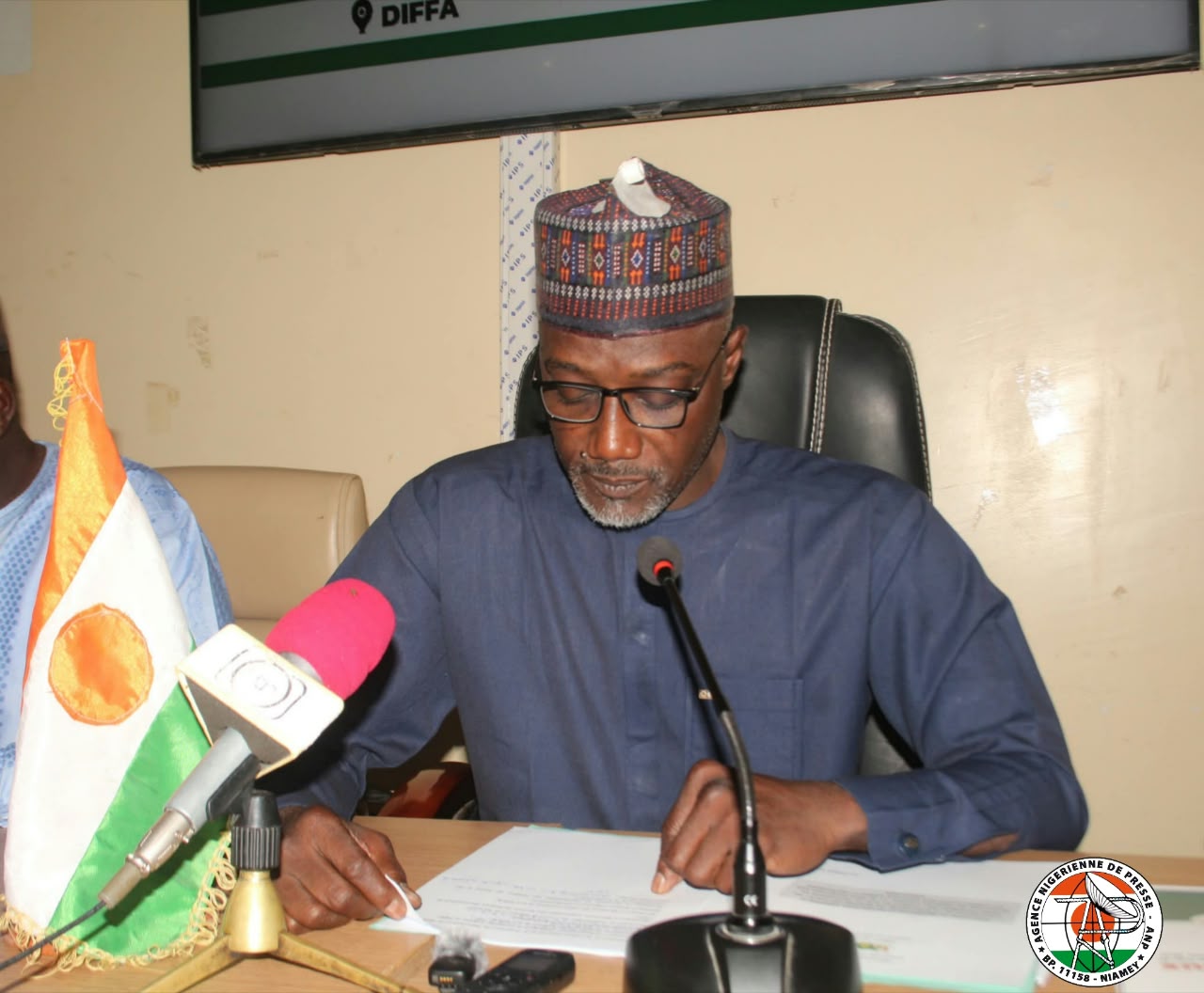
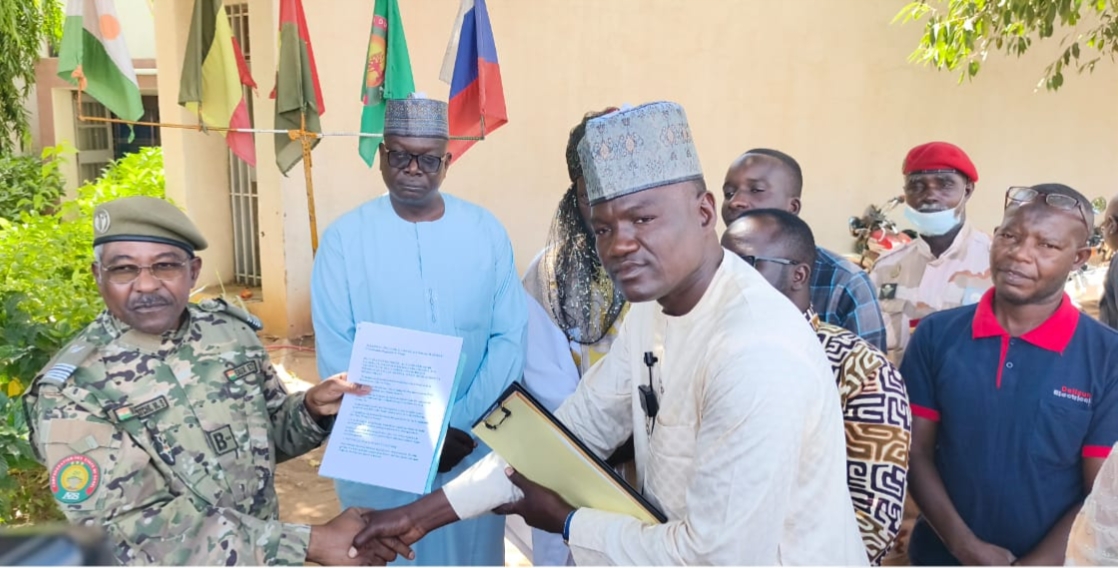
Niger has officially installed a technical committee tasked with the management of petroleum product supply crises and the clearing of cross-debt. Government authorities established the body to address disruptions in the fuel supply chain and resolve outstanding financial obligations within the sector. The committee serves as the primary mechanism for coordinating national efforts to stabilize the availability of petroleum products and settle debts across the industry.
A technical committee for the management of petroleum product supply crises and the clearing of cross-debt was officially installed in Niger.
The formation of this committee marks a significant administrative development for the energy sector. By centralizing oversight, the government aims to create a more resilient framework for fuel distribution. The primary mandate of the committee involves the systematic review of existing supply chains to identify points of failure that have historically led to shortages. The committee is charged with evaluating the financial landscape of the petroleum industry to ensure that cross-debt obligations are identified, verified, and addressed through a structured repayment or reconciliation process.
The establishment of this body reflects a commitment to ensuring that the national energy requirements are met with greater consistency. Petroleum products remain essential to the operational capacity of various sectors within Niger, and the government has identified the stabilization of these supplies as a top priority for national economic stability. The committee will operate as a cross-departmental entity, bringing together representatives who possess the technical expertise necessary to navigate the complexities of fuel logistics and industrial debt management.
In its initial phase, the committee will focus on the collection and analysis of data regarding current petroleum stocks and outstanding financial liabilities. This empirical approach is intended to provide the government with a clear picture of the sector's health. Once the data is consolidated, the committee will propose strategies to mitigate supply disruptions and streamline the settlement of cross-debts. These strategies are expected to foster improved cooperation between the various stakeholders involved in the petroleum supply chain, including suppliers, distributors, and state entities.
The committee’s installation is part of a broader effort to formalize the procedures governing the petroleum sector. By establishing a dedicated technical body, the government seeks to minimize the impact of external and internal factors that have previously hindered the smooth flow of petroleum products. The oversight provided by this committee is expected to bring transparency to the industry, ensuring that debt clearing processes are managed with clear, actionable guidelines.
As the committee begins its work, it will prioritize the resolution of immediate supply crises while simultaneously developing long-term strategies to prevent future occurrences. The focus on cross-debt management is particularly significant, as it addresses the financial bottlenecks that often impede the efficiency of the fuel supply chain. By resolving these debts, the committee aims to restore confidence among industry participants and ensure the continued availability of fuel for the public and private sectors alike.
The committee is expected to maintain a rigorous schedule of reporting to ensure that its progress is monitored and that its decisions remain aligned with national objectives. The technical nature of the committee ensures that its recommendations are based on factual assessments of the petroleum market’s current state. Through this structured approach, Niger intends to stabilize the petroleum sector and ensure that the essential needs of the population and the economy are met without the disruptions that have characterized previous periods.
The committee’s mandate also includes the evaluation of existing contracts and agreements within the petroleum industry to ensure they are being honored. By verifying these commitments, the committee will play a vital role in upholding the integrity of the sector’s financial operations. This focus on accountability and efficiency is central to the government’s plan for the petroleum industry, and the committee serves as the primary instrument for executing this vision.
The establishment of this committee represents a proactive step by the government to address the challenges inherent in petroleum supply management. By creating a dedicated body to handle these crises and debt issues, the government has provided a clear path forward for the industry. The committee will continue to assess the evolving needs of the petroleum sector and adapt its strategies to ensure that the national supply of petroleum products remains secure and that financial obligations are managed in a transparent and effective manner.
This initiative is expected to have a lasting impact on the stability of the petroleum market in Niger. By resolving the complexities of cross-debt and supply management, the committee will contribute to a more predictable and reliable energy environment. The government remains committed to supporting the committee in its mission, recognizing that the efficient management of petroleum resources is fundamental to the country's development and economic health. The committee will continue its work, focusing on the implementation of its mandate to ensure that the petroleum sector functions optimally.