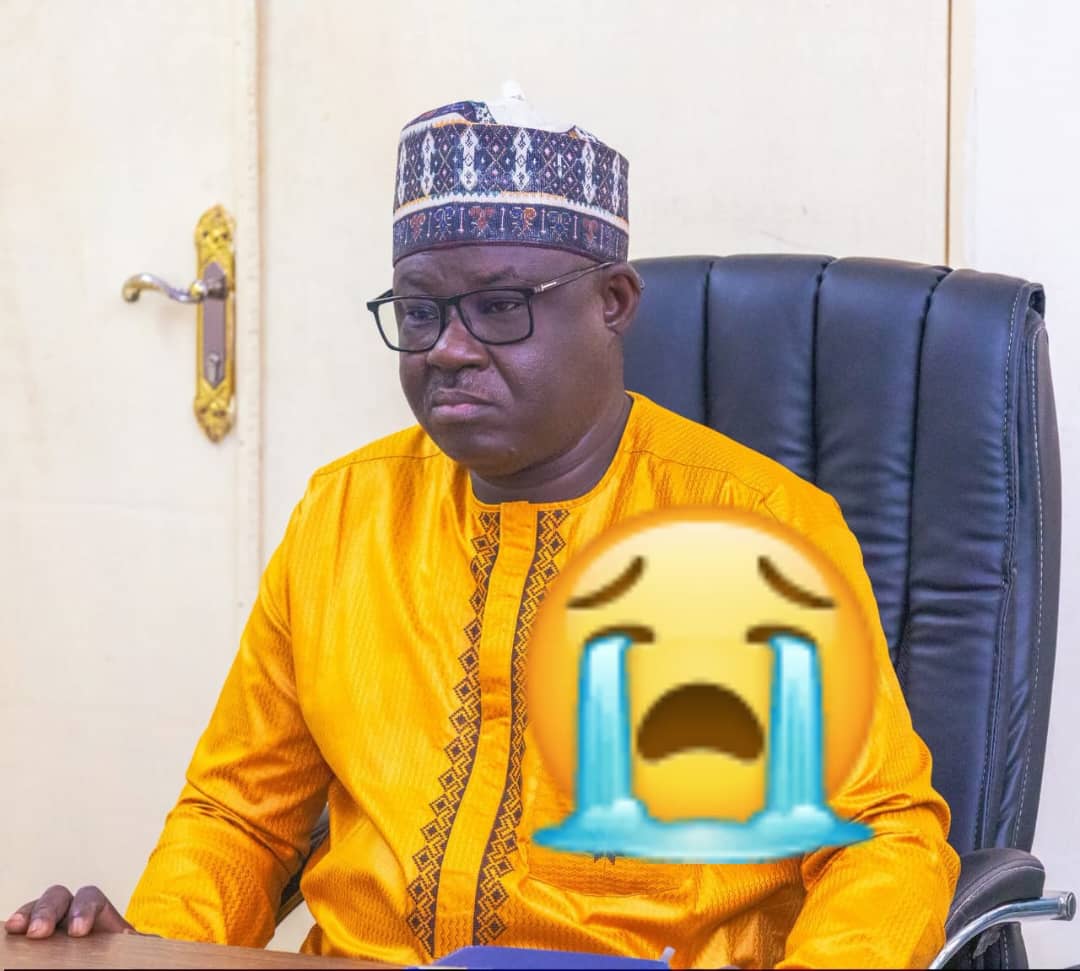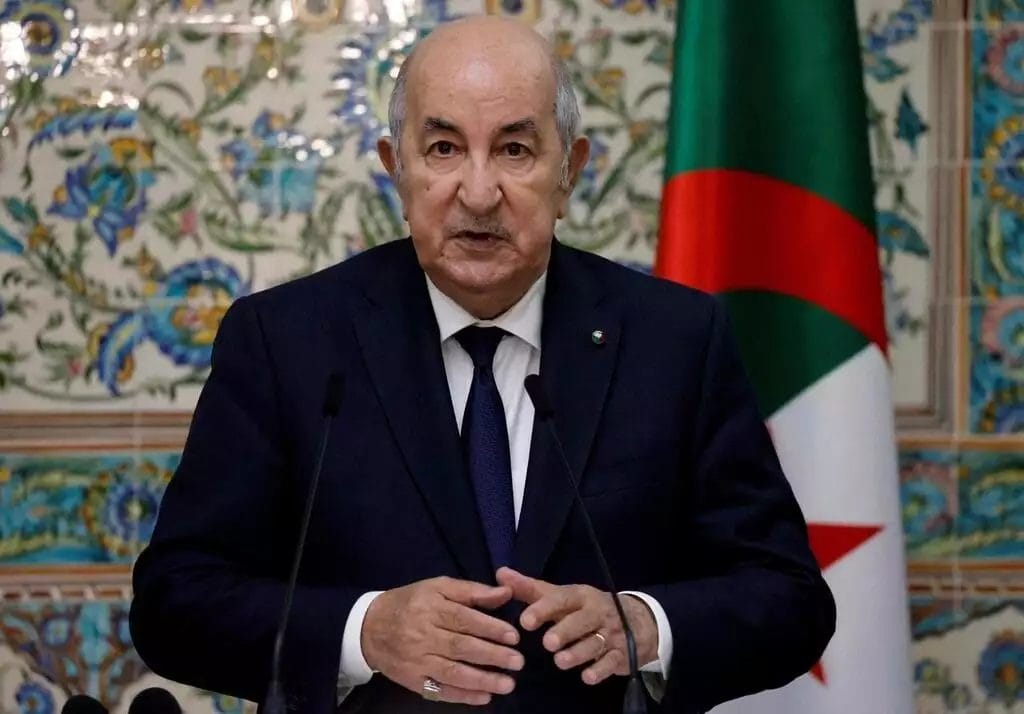
Algeria and Mali have moved towards normalizing their diplomatic relations, marking a significant step after more than fifteen months of tension. This development, occurring as of July 12, 2026, signals a thaw in ties between the two North African nations. The move aims to address the strained relationship that had developed between Algérie and Mali.
Diplomatic Thaw Details
The diplomatic rapprochement between Algeria and Mali includes several concrete measures aimed at restoring full bilateral cooperation. These steps involve the return of ambassadors to their respective posts in both countries. Additionally, the airspace between Algeria and Mali, which had been restricted, is set to be reopened. These actions facilitate the re-establishment of direct communication and official exchanges, which had been significantly curtailed during the period of strained relations. The return of diplomatic envoys is a key indicator of renewed engagement and a commitment to resolving outstanding issues through established channels. The reopening of airspace also signifies a practical step towards normalizing travel and trade, underpinning the broader effort to mend ties.
Background to Tensions
Tensions between Algeria and Mali had escalated significantly prior to the recent diplomatic thaw. The period of strained relations was marked by a series of diplomatic actions and public statements that indicated a deep ideological rift. Algeria had expressed concerns regarding the sovereignty and territorial integrity of Mali, particularly in relation to the Algiers Agreement for Peace and Reconciliation in Mali, signed in 2015. This agreement, which Algeria had mediated, became a focal point of contention.
Mali, for its part, had accused Algeria of interfering in its internal affairs, particularly concerning its engagement with certain armed groups and the peace process. The Malian government, led by its transitional authorities, had increasingly distanced itself from the Algiers Agreement, perceiving it as an impediment to its national sovereignty. This divergence in approaches to regional security and internal governance contributed to a breakdown in communication channels and a reciprocal withdrawal of ambassadors in the past. The strained relationship also saw the closure of airspace, further limiting exchanges between the two nations. These disagreements culminated in a period of diplomatic freeze that lasted over fifteen months, impacting regional stability and bilateral cooperation efforts.
Future Implications
The recent diplomatic thaw between Algeria and Mali suggests a potential pathway to renewed regional stability and cooperation. The return of ambassadors and the reopening of airspace between Algérie and Mali indicate a commitment by both nations to re-establish formal communication channels. This development could facilitate discussions on shared security concerns, particularly in the Sahel region, where both countries have significant interests.
Improved relations may also impact the implementation of the Algiers Agreement for Peace and Reconciliation in Mali. While Mali had previously distanced itself from the accord, the renewed dialogue could open avenues for its reconsideration or adaptation, potentially with Algerian mediation. The re-establishment of direct engagement might influence broader regional dynamics, potentially fostering greater coordination among neighboring states on issues such as counter-terrorism and economic development. The actions taken on July 12, 2026, are expected to lay groundwork for more substantive engagements moving forward.