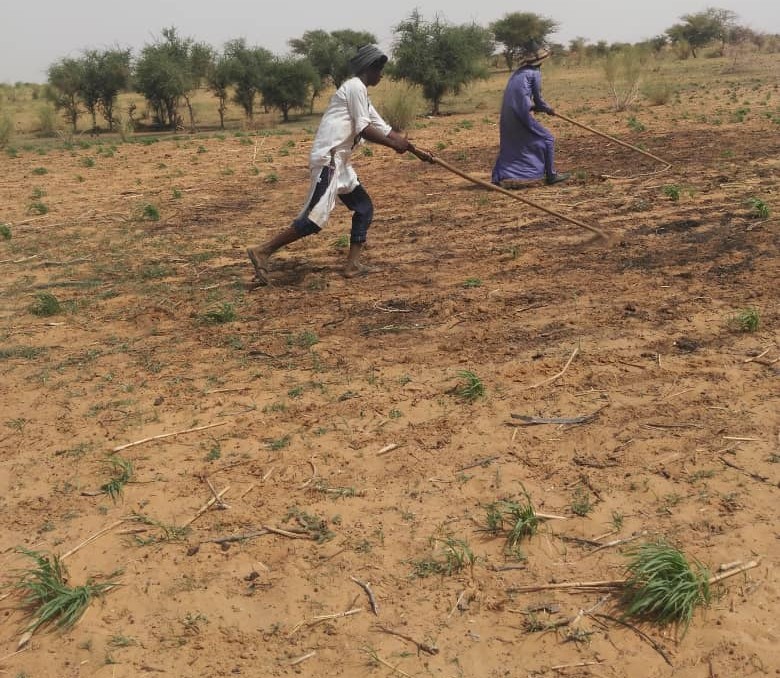
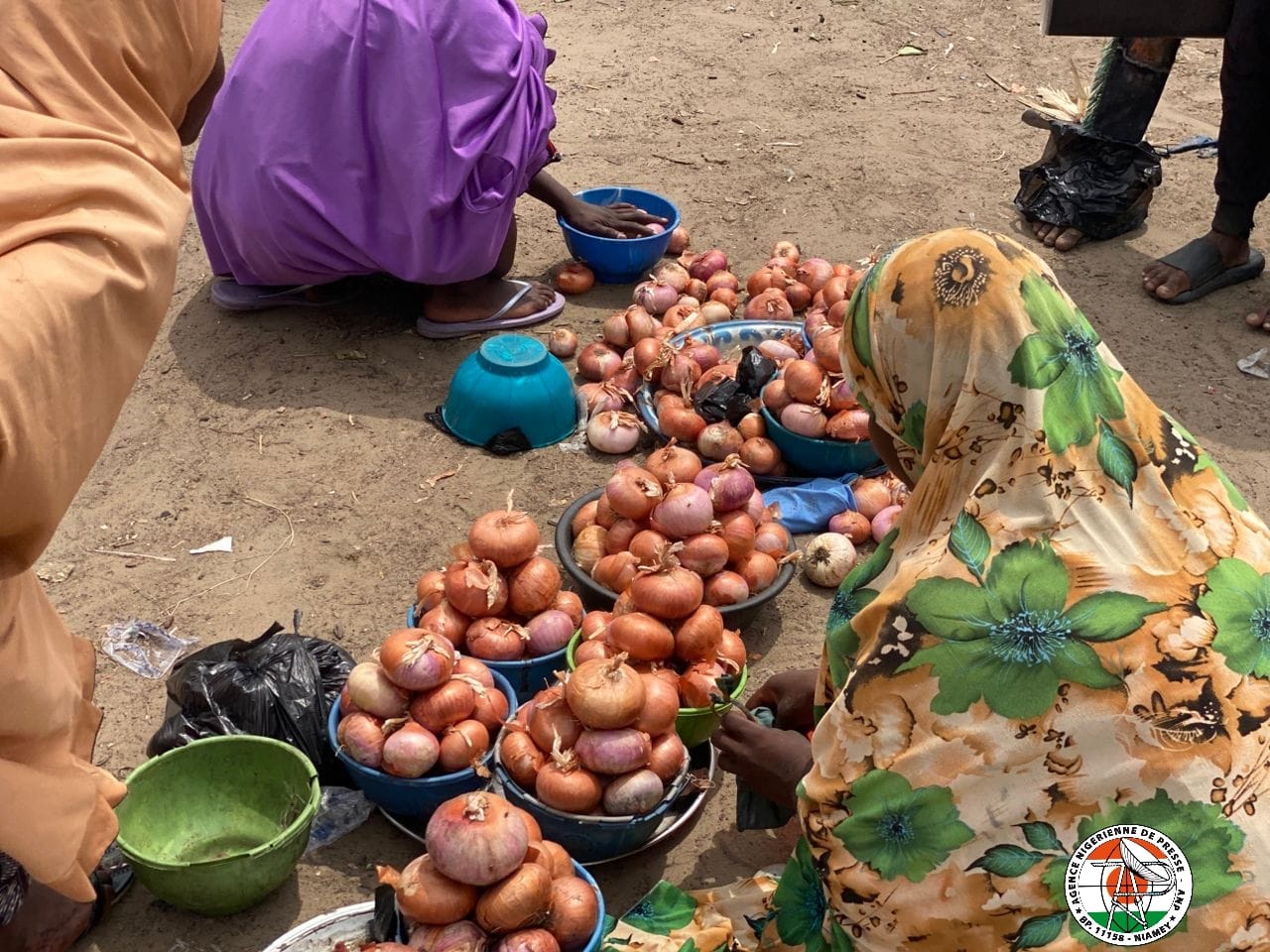
The 2026 agricultural campaign has commenced its operations in Tahoua, with significant installations occurring during the first ten days of July. This launch signifies the official start of agricultural activities for the upcoming season in the region. The campaign's early July establishment aims to prepare the ground for various farming initiatives, ensuring that necessary infrastructure and resources are in place for local farmers. Efforts during this initial phase focus on logistics and the deployment of support mechanisms key for agricultural productivity. This strategic timing aligns with the typical planting cycles and ensures that the region's agricultural sector is well-positioned for the year ahead. The full installation process during this critical period lays the groundwork for a successful agricultural season, addressing the immediate needs of farmers and setting the stage for sustained growth. The preparatory work undertaken involves a careful coordination of resources, personnel, and equipment, all designed to optimize agricultural output and support the livelihoods of rural communities. The early start ensures that all foundational elements are firmly established before the peak of farming activities.
Campaign Installation Details
Tahoua, a key region in Niger, is the focal point for the 2026 agricultural campaign's installation activities. The campaign's early July commencement in Tahoua shows its role as a primary agricultural hub for the nation. Preparations are concentrated on deploying resources and infrastructure essential for the upcoming farming season across the region. This strategic choice of location facilitates the distribution of vital agricultural inputs and the coordination of efforts with local farming communities. The initiative aims to ensure that farmers in Tahoua have access to the necessary support systems from the outset of the campaign. The 2026 agricultural campaign has largely installed itself in Tahoua during the first ten days of July, marking a key moment for the region's agricultural calendar. This extensive installation phase involves setting up distribution points for seeds, fertilizers, and agricultural tools, as well as establishing technical support centers. The early and full deployment of these resources is intended to prevent delays that could impact planting schedules and crop development. By centralizing these initial operations in Tahoua, authorities can more effectively manage the flow of materials and expertise to various farming communities within the region. This focused approach ensures that the foundational elements required for a productive season are not only present but also efficiently organized and accessible to those who need them most. The careful planning behind these installations reflects a commitment to maximizing the effectiveness of the campaign from its very beginning.
The installation process extends beyond mere physical setup; it also encompasses the mobilization of agricultural extension agents and technical advisors. These professionals play a key role in disseminating best practices, providing on-the-job training, and offering guidance to farmers on optimal cultivation techniques. Their presence during the initial phase allows for immediate engagement with farming communities, addressing any queries or challenges that may arise as farmers prepare their fields. The installation includes the logistical arrangements for transporting agricultural inputs to remote areas, ensuring equitable access across the region. This intricate network of support is designed to empower local farmers, equipping them with the knowledge and materials necessary to enhance their yields and improve their economic standing. The early establishment of these multifaceted support systems in Tahoua is a testament to the campaign's proactive strategy, aiming to foster a resilient and productive agricultural environment.
Regional Agricultural Context
Tahoua, located in Niger, serves as a significant agricultural region where the 2026 campaign's initial installations are underway. The region's agricultural sector is typically characterized by diverse farming practices aimed at supporting local food security and economic stability. Local farmers often rely on timely agricultural campaigns to provide essential resources and guidance for their seasonal planting and harvesting cycles. The commencement of these activities in early July aligns with the typical onset of the rainy season in many parts of the region, which is key for rain-fed agriculture. This timing is designed to maximize the effectiveness of agricultural inputs and support services provided to rural communities. The agricultural landscape in Tahoua is heavily influenced by its semi-arid climate, making the timing of the rainy season a critical factor for successful cultivation. The early July installations are therefore strategically synchronized with the natural rhythms of the environment, allowing farmers to capitalize on the first rains for planting.
The agricultural landscape in Tahoua encompasses a variety of crops, with staple foods forming a substantial part of cultivation efforts. These crops are vital for sustaining the population and contributing to the regional food supply chain. The region's climate patterns and soil conditions influence the types of agricultural activities undertaken by farmers each year. Strategic planning for agricultural campaigns often takes into account historical weather data and projections to optimize planting schedules and resource allocation. Organizations involved in the campaign work to ensure that the necessary infrastructure, such as irrigation systems or storage facilities, is either in place or adequately supported. The primary crops cultivated in Tahoua typically include millet, sorghum, and cowpeas, which are resilient to local climatic conditions and form the backbone of the local diet. Beyond these staples, some farmers also engage in horticulture, growing vegetables for local markets, contributing to dietary diversity and additional income streams. The campaign's focus on providing improved seed varieties and appropriate fertilizers is particularly important for these crops, as it directly impacts yield potential and nutritional value.
The successful implementation of agricultural initiatives in Tahoua often depends on effective collaboration between local authorities, farmers, and support organizations. These partnerships are essential for disseminating best practices, distributing seeds and fertilizers, and providing technical assistance. The impact of such campaigns extends beyond mere crop production, influencing rural livelihoods and contributing to broader developmental goals. By focusing on the initial phases of the 2026 campaign in Tahoua, stakeholders aim to establish a strong foundation for the entire agricultural season. This proactive approach seeks to mitigate potential challenges and enhance overall agricultural productivity in the region. The collaborative framework ensures that the campaign's objectives are aligned with the specific needs and challenges faced by individual farming communities. Regular dialogues between these groups facilitate the adaptation of strategies to local conditions, making the campaign more responsive and effective.
The long-term sustainability of agricultural practices in Tahoua is also a key consideration for the campaign. This involves promoting farming methods that conserve soil fertility, manage water resources efficiently, and enhance resilience to climate change. Training programs offered through the campaign often include modules on sustainable land management, agroforestry, and efficient water use techniques, such as drip irrigation or rainwater harvesting. These educational components are key for empowering farmers to adopt practices that not only boost current yields but also protect the agricultural resource base for future generations. The integration of traditional knowledge with modern agricultural science is another aspect of these efforts, seeking to leverage local expertise while introducing innovative solutions. This holistic approach ensures that the support provided is culturally appropriate and practically applicable within the Tahoua context.
The campaign’s infrastructure development component is vital for post-harvest management. Adequate storage facilities are critical for reducing post-harvest losses, which can significantly diminish the benefits of increased production. The availability of appropriate storage solutions helps farmers protect their harvested crops from pests, spoilage, and adverse weather conditions, ensuring a more stable food supply and better market prices. Similarly, improved access to local markets through better transportation infrastructure is another area where the campaign seeks to make an impact. By facilitating the movement of agricultural produce from farms to markets, the campaign helps farmers realize better returns on their labor, thereby stimulating local economies. These infrastructural enhancements are integral to creating a strong and resilient agricultural value chain in Tahoua.
The role of technology in modernizing agriculture in Tahoua is also being explored and integrated into the campaign's strategies. This includes the potential introduction of weather forecasting tools, mobile applications for agricultural advice, and improved farming equipment. While the adoption of advanced technology may be gradual, the campaign aims to introduce appropriate and accessible technological solutions that can enhance efficiency and productivity. For instance, simple, strong machinery for land preparation or harvesting can significantly reduce manual labor and improve timeliness of operations. The provision of information on market prices and demand helps farmers make informed decisions about what to plant and when to sell, further contributing to their economic well-being. These technological interventions are carefully selected to ensure they are suitable for the local context and can be effectively utilized by the farming communities in Tahoua.
Outlook and Expectations
The 2026 agricultural campaign in Tahoua is anticipated to significantly contribute to food security and economic stability within the region. Authorities expect that the early July installations and sustained support throughout the season will enhance agricultural productivity. The coordinated efforts are designed to mitigate risks associated with climate variability and ensure that local farmers have access to essential resources. Success of the campaign is projected to reinforce the region's role as a vital agricultural hub for Niger. The strategic planning and timely execution of the initial phase are critical for achieving these ambitious goals. By addressing potential challenges proactively, the campaign aims to create a more predictable and prosperous agricultural environment for all stakeholders.
Continued engagement with farming communities and the timely provision of inputs are considered key for meeting the campaign's objectives. Officials are hopeful that the measures implemented will lead to improved yields and better livelihoods for those dependent on agriculture in Tahoua. The campaign's strategic planning seeks to address potential challenges proactively, aiming for a resilient and productive agricultural season. The expected improvements in crop yields are not only about quantity but also about quality, with efforts to promote healthier and more nutritious produce. This focus on both volume and quality aims to enhance the overall food security of the region, making staple foods more abundant and accessible to the population. The long-term vision for the campaign includes fostering self-sufficiency among farming communities, reducing their reliance on external aid, and building a sustainable agricultural economy.
The economic benefits of a successful campaign are expected to ripple through the local economy, stimulating growth in related sectors such as transportation, processing, and trade. Increased agricultural output can lead to the creation of new jobs, both directly on farms and in support industries. This economic diversification is key for reducing poverty and improving the general standard of living in rural areas of Tahoua. The campaign's emphasis on market linkages aims to ensure that farmers can sell their produce at fair prices, thereby maximizing their income and encouraging continued investment in their farms. The establishment of stable supply chains and improved market access is a key component of this economic empowerment strategy.
The success of the 2026 agricultural campaign in Tahoua could also serve as a model for other regions within Niger, demonstrating effective strategies for agricultural development and food security. Lessons learned from the implementation, challenges encountered, and successes achieved in Tahoua can provide valuable insights for future agricultural initiatives across the nation. This potential for broader impact shows the importance of the current campaign and the careful planning that has gone into its early stages. The commitment of local authorities and partner organizations to this endeavor reflects a strong belief in the transformative power of agriculture to drive sustainable development and improve human welfare in the region.