Dosso, a city in Niger, is facing severe challenges due to persistent environmental degradation and the escalating impacts of climate change. This environmental decline manifests in various forms, including desertification, soil erosion, and the loss of biodiversity, all of which diminish the land's capacity to support life. The region has experienced a significant decline in agricultural productivity, directly affecting the livelihoods of local communities that rely heavily on farming and livestock. This reduction in yields and pasture quality threatens the very foundation of their economic and social structures. Droughts have become more frequent and intense, leading to widespread water scarcity and crop failures across the area. These prolonged periods of aridity deplete surface and groundwater resources, making it increasingly difficult for both humans and livestock to access essential water. These environmental shifts have forced many residents to consider internal displacement or migration in search of more viable living conditions. The prospect of leaving ancestral lands is a difficult one, often undertaken out of necessity when traditional ways of life become unsustainable.
The ecological strain in Dosso has also exacerbated existing socioeconomic pressures. Access to clean water sources is increasingly difficult, impacting public health and sanitation efforts. The scarcity of potable water often leads to reliance on unsafe alternatives, contributing to the spread of waterborne diseases and placing additional burdens on healthcare systems. Local authorities and humanitarian organizations are working to implement sustainable land management practices and provide emergency relief, but the scale of the environmental crisis continues to grow. Despite these efforts, the widespread nature of climate change impacts means that interventions must be continuous and full. The long-term effects of these climatic changes threaten the region's food security and overall stability. Without significant adaptation and mitigation strategies, the future well-being of Dosso's inhabitants remains precarious.
Key Developments Detailed
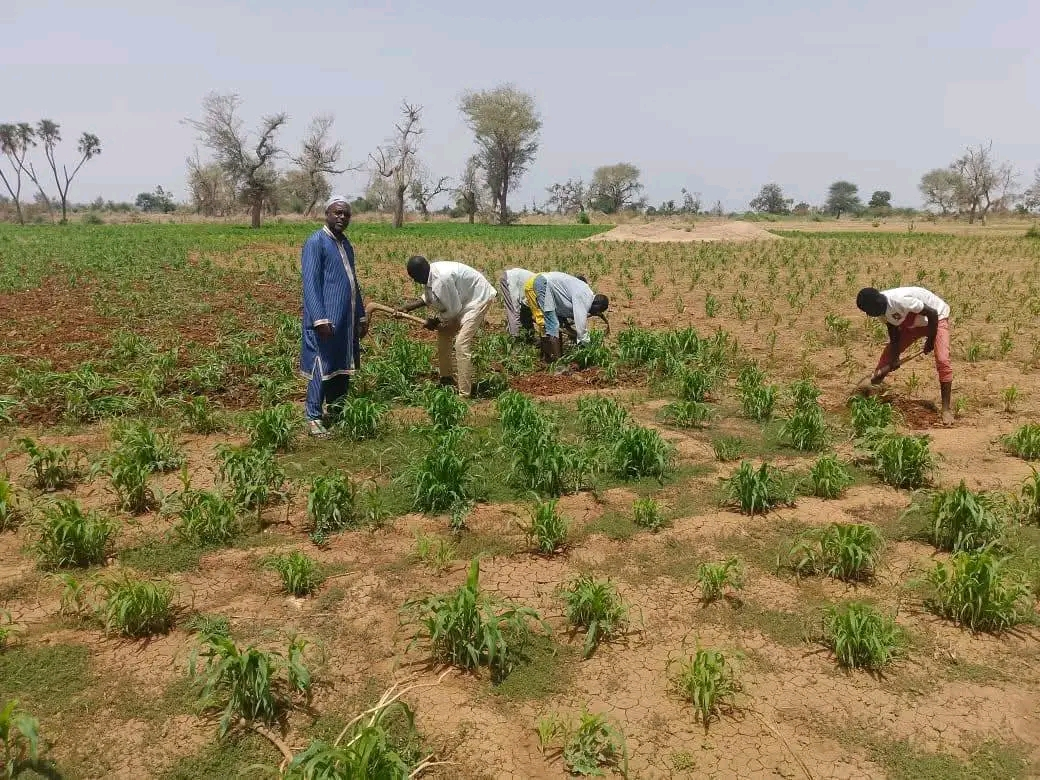
Dosso, a city in Niger, continues to grapple with the multifaceted challenges stemming from persistent environmental degradation and the increasingly severe impacts of climate change. This ongoing degradation is characterized by desertification, soil erosion, and reduced soil fertility, all of which undermine the ecological balance necessary for sustainable living. The region's agricultural sector, a cornerstone of its economy and the primary source of livelihood for many residents, has experienced a significant decline in productivity. This downturn directly affects local communities that depend heavily on both farming and livestock rearing for their sustenance and income, leading to reduced harvests and diminished livestock health. The alterations in climatic patterns have led to a noticeable reduction in arable land and pasture quality, diminishing the capacity of the land to support traditional agricultural practices and sustain local populations.
Droughts have become a more frequent and intense phenomenon across the Dosso region. These prolonged periods of aridity contribute directly to widespread water scarcity, impacting both human consumption and irrigation for crops. The drying up of wells and reduced river flows make daily life a struggle for survival. The lack of reliable rainfall has resulted in repeated crop failures, leading to food insecurity for many households. Farmers face devastating losses, often unable to harvest enough to feed their families or sell for income. The struggle to maintain agricultural output in the face of these environmental pressures has prompted many residents to consider drastic measures, including internal displacement within Niger or migration to other regions in search of more viable living conditions and economic opportunities. These movements often involve significant personal hardship and disrupt established social networks.
The ecological strain observed in Dosso has also exacerbated existing socioeconomic pressures within the community. The depletion of natural resources places immense stress on the fragile social fabric. Access to clean water sources, already a challenge in many parts of the region, has become increasingly difficult due to the shrinking availability of surface and groundwater. This scarcity of potable water directly impacts public health, contributing to sanitation challenges and increasing the risk of waterborne diseases. Women and children often bear the brunt of this crisis, spending hours daily fetching water from distant or contaminated sources. The strain on natural resources places additional burdens on healthcare infrastructure and local governance, requiring more resources to address health crises and maintain public order.
Local authorities in Dosso, alongside various humanitarian organizations, are actively working to implement sustainable land management practices. These initiatives aim to mitigate the effects of desertification and improve soil fertility, thereby bolstering agricultural resilience. Such practices include agroforestry, terracing, and the use of organic fertilizers to restore degraded lands. Efforts include promoting drought-resistant crop varieties, improving irrigation techniques, and supporting reforestation programs. These measures are key for adapting to the changing climate and securing future food supplies. Concurrently, emergency relief efforts are being deployed to address the immediate needs of communities affected by food shortages and water scarcity. These relief operations often involve the distribution of food aid, provision of emergency water supplies, and support for vulnerable populations, providing a critical lifeline in times of crisis.
Despite these concerted efforts, the scale of the environmental crisis in Dosso continues to grow, posing significant long-term threats to the region's overall stability. The persistent nature of climate change impacts means that even successful local interventions can be overwhelmed by broader environmental shifts. The cumulative effects of climatic changes, including unpredictable weather patterns and increased desertification, jeopardize food security for future generations. The land's capacity to produce food is steadily eroding, threatening the long-term viability of agricultural communities. The ongoing environmental shifts necessitate sustained international support and adaptive strategies to help communities in Dosso build resilience against the escalating impacts of climate change and secure their livelihoods. This requires a coordinated global response to a local manifestation of a worldwide problem.
Broader Context and Background
The challenges faced by Dosso are indicative of a broader crisis affecting the Sahel region of Africa, where climate change impacts are intensifying at a rate faster than the global average. This accelerated warming and altered precipitation patterns have profound consequences for the region's ecosystems and human populations. This vast semi-arid belt, stretching across the continent, is highly vulnerable to environmental shifts, including escalating temperatures, erratic rainfall patterns, and prolonged droughts. These climatic stressors directly threaten the livelihoods of millions who depend on rain-fed agriculture and pastoralism for survival, making their traditional practices increasingly untenable. The United Nations and other international bodies have consistently noted the Sahel as a critical hotspot for climate-induced humanitarian crises, drawing attention to its fragile ecosystems and socio-economic vulnerabilities. The region serves as a stark example of how climate change can exacerbate existing fragilities.
Across the Sahel, communities grapple with diminishing arable land, desertification, and increased competition over dwindling natural resources. The expansion of the Sahara desert southward is a visible manifestation of this environmental degradation, reducing the amount of land available for farming. This environmental degradation often exacerbates existing socio-political tensions and can contribute to displacement and migration, both internally and across national borders. Resource scarcity can ignite conflicts between different communities, further destabilizing the region. The region's limited infrastructure and institutional capacity further complicate efforts to adapt to these changes, leaving many populations highly exposed to climate shocks. Without adequate roads, communication networks, or strong governance, implementing effective adaptation strategies becomes a monumental task. Development organizations frequently report on the region's persistent food insecurity, which is intrinsically linked to climate variability and the declining productivity of agricultural systems. This cyclical relationship means that climate shocks directly translate into hunger and malnutrition.
International aid and development programs have focused on building resilience in the Sahel through various initiatives, including climate-smart agriculture, water management projects, and early warning systems for natural disasters. These programs aim to provide communities with the tools and knowledge to better withstand climatic shocks. These efforts aim to equip local communities with the tools and knowledge necessary to mitigate the effects of climate change and secure their long-term well-being. By diversifying crops, improving water harvesting, and providing timely information, these initiatives seek to empower local populations. However, the scale of the environmental crisis often outpaces the pace of intervention, showing the need for sustained and full support. The sheer magnitude of the problem requires a much larger and more coordinated response than is currently available. The situation in Dosso reflects these wider regional dynamics, where local communities are on the front lines of a global environmental challenge with significant humanitarian implications. Their experiences are a microcosm of the broader struggles faced by millions across the Sahel. The interplay of environmental degradation, climate change, and socio-economic vulnerability creates a complex web of challenges that requires multifaceted and coordinated responses from national governments and the international community alike. Addressing these deep-rooted issues is key for fostering stability and sustainable development across the entire Sahelian belt, ensuring a more secure future for its inhabitants.
Impact and Future Outlook
The ongoing environmental degradation and the accelerating effects of climate change in Dosso are projected to have profound and lasting impacts on the region's socio-economic fabric. These impacts will ripple through all aspects of life, from individual households to regional governance. The continued decline in agricultural productivity, driven by frequent droughts and unpredictable weather patterns, poses a significant threat to food security for the local population. This means that access to sufficient, safe, and nutritious food will become increasingly precarious for many families. Communities in Dosso, heavily reliant on farming and livestock, face increasing challenges in sustaining their livelihoods, which could lead to further economic instability and heightened poverty levels. As traditional income sources diminish, families are pushed into deeper cycles of deprivation, with limited opportunities for advancement.
The scarcity of clean water, exacerbated by these environmental shifts, is expected to intensify public health concerns. The dwindling water resources will make it harder to maintain basic hygiene and sanitation, increasing the risk of disease outbreaks. Access to potable water will likely remain a critical issue, potentially increasing the prevalence of waterborne diseases and placing additional strain on local healthcare infrastructure. Hospitals and clinics, already under-resourced, will struggle to cope with the increased demand for services. These challenges could also trigger further internal displacement and migration as residents seek more viable environments and economic opportunities outside their traditional areas. The decision to leave one's home is often a last resort, driven by an inability to survive in their current location. Such movements could, in turn, create new pressures on resources and social services in receiving communities, potentially leading to new social tensions.
Looking ahead, the long-term stability of Dosso hinges on the effectiveness of adaptation strategies and the level of sustained support from national and international partners. A proactive and collaborative approach is essential to navigate these complex challenges. Implementing climate-resilient agricultural practices, investing in water management infrastructure, and promoting reforestation efforts are critical steps. These measures, such as developing drought-tolerant crops and building water harvesting systems, offer practical solutions to immediate environmental pressures. However, the scale of the environmental crisis suggests that these interventions must be full and long-term to counteract the widespread effects of climate change. Piecemeal solutions will not suffice; a holistic and sustained commitment is required. Without substantial and coordinated efforts, the region risks a continued spiral of environmental decline and socio-economic hardship, impacting generations to come. The future well-being and prosperity of Dosso's inhabitants depend heavily on the ability to effectively respond to these environmental threats. The situation in Dosso shows the urgent need for integrated approaches to address climate change at a local level, recognizing that global problems often have profound local consequences.