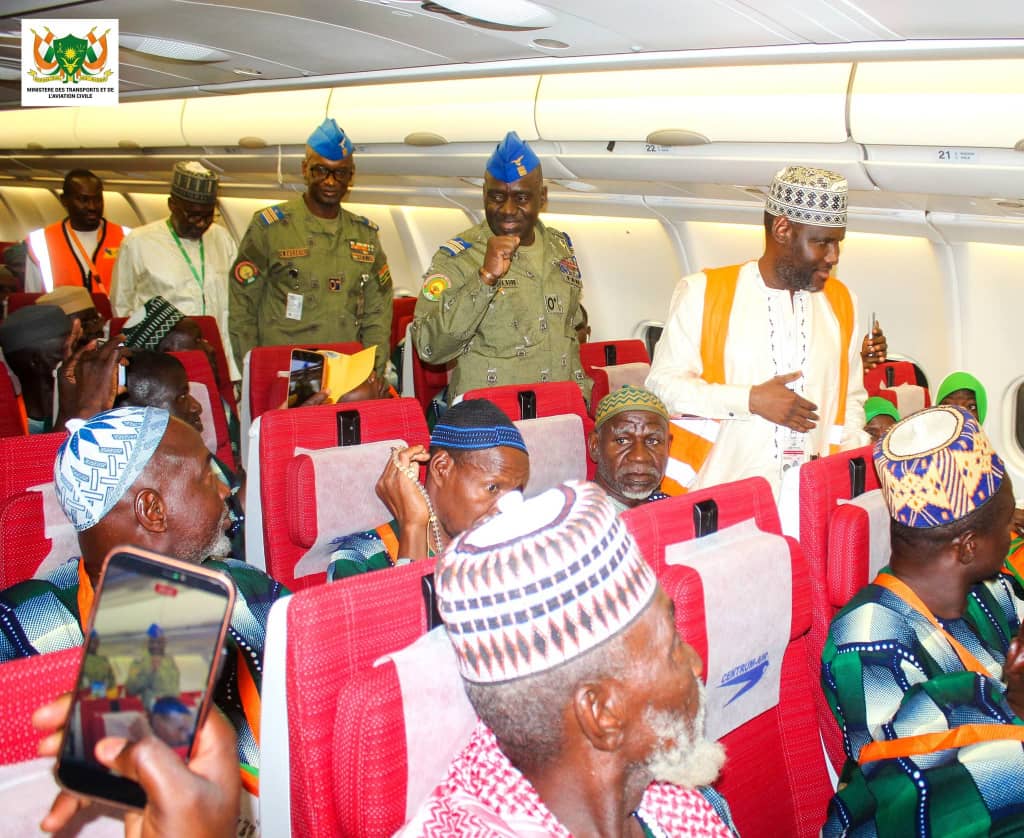
The first group of approximately 305 Nigerien pilgrims departed Niamey late Tuesday, May 5, 2026, on a charter flight bound for Saudi Arabia. This initial departure marks the beginning of the Hajj pilgrimage for the year. Pilgrims boarded the flight from Niamey, embarking on their journey to the holy sites, a spiritual voyage undertaken by millions of Muslims annually. The atmosphere at the airport was one of profound anticipation and spiritual fervor as families bid farewell to their loved ones, knowing they were embarking on one of the most significant journeys of their lives. This particular flight, carrying a substantial contingent of pilgrims, represented the culmination of months, if not years, of preparation for many individuals and the careful planning by the Nigerien authorities. The successful boarding and departure of this first charter flight set a positive tone for the entire Hajj operation for Nigerien citizens.
Minister Oversees Departure Procedures
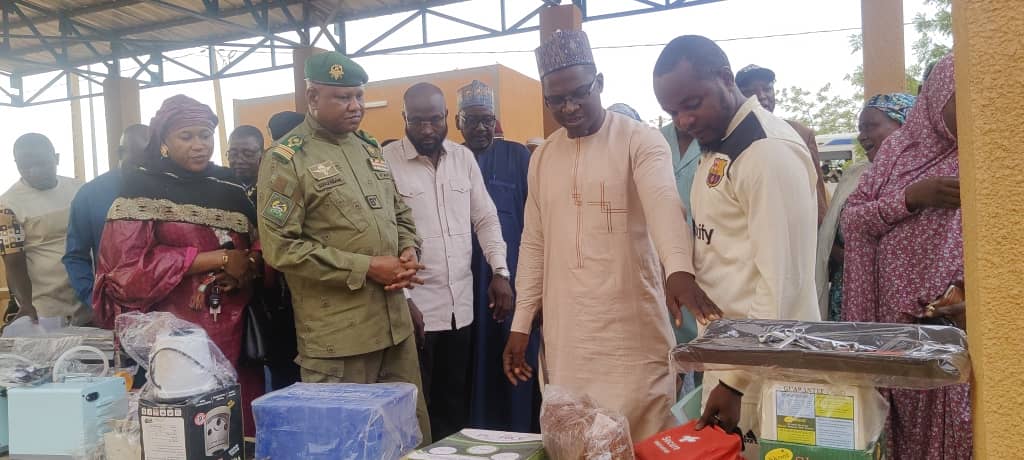
Colonel Major Abdouramane Amadou, the Minister in charge of Transport and Civil Aviation, visited the departure point to assess the travel conditions and airport procedures for the pilgrims. The Minister engaged with airport staff and officials responsible for the Hajj operations, observing the steps taken to facilitate the departure of the first contingent of pilgrims. This oversight included reviewing the check-in processes, security screenings, and boarding protocols, ensuring that all aspects of the departure were handled with the utmost efficiency and care. The visit by Colonel Major Abdouramane Amadou aimed to ensure the smooth execution of the initial phase of the pilgrimage, addressing any potential logistical challenges that might arise during such a large-scale movement of people. His inspection focused on the efficiency of the administrative and operational aspects at the airport, from the moment pilgrims arrived until their aircraft taxied for takeoff.
The Minister's presence showed the government's commitment to supporting the pilgrims' journey, noting the national importance placed on this religious obligation. He monitored the implementation of established guidelines to guarantee the safety and comfort of those embarking on the Hajj, personally verifying that all necessary precautions and arrangements were in place. This direct involvement by the Minister in charge of Transport and Civil Aviation noted the careful planning required for such a large-scale international travel operation, which demands coordination across multiple government departments and private entities. The visit also served to reassure the departing pilgrims about the arrangements made for their journey, providing a sense of confidence and support as they began their sacred travel. Colonel Major Abdouramane Amadou's inquiry into the conditions and procedures was part of a broader effort to streamline the pilgrimage process for all Nigerien citizens, ensuring that future departures would also be as smooth as possible. His detailed assessment covered everything from passenger flow management to baggage handling and the readiness of ground staff, emphasizing a full approach to pilgrim welfare. The government's proactive engagement, exemplified by the Minister's visit, aimed to mitigate any potential issues and uphold the dignity and spiritual focus of the pilgrims.
Hajj Preparations Underway
The departure of the initial group of pilgrims from Niamey marked the culmination of extensive preparatory efforts by various Nigerien authorities. These preparations involved detailed logistical planning to accommodate the thousands of citizens expected to undertake the journey to Arabie Saoudite, a complex endeavor requiring careful coordination. Government agencies collaborated to organize transportation, ensure the validity of travel documents, and manage the health screenings required for such a large-scale international movement, leaving no stone unturned in safeguarding the pilgrims. The overall coordination sought to streamline the process for all participants, from their initial registration in their home regions to their final departure from Nigerien soil, making the journey as accessible and stress-free as possible.
Officials worked tirelessly to secure adequate charter flights and establish efficient protocols at the departure points, including the bustling airport in Niamey. This involved coordinating with airline operators and ground staff to handle the influx of travelers and their baggage, often requiring specialized training and increased personnel. The objective was to minimize delays and enhance the overall experience for the pilgrims, who often embark on this spiritual journey after years of personal saving and anticipation, viewing it as a once-in-a-lifetime opportunity. Beyond the immediate travel logistics, preparations also included educational sessions for pilgrims, informing them about the rites of Hajj, essential health precautions, and cultural considerations in Arabie Saoudite. These sessions, often conducted in local languages, aimed to equip pilgrims with the necessary knowledge and awareness to complete their religious obligations safely and effectively, fostering a sense of preparedness and community. The government’s involvement extended to ensuring that all administrative hurdles were cleared well in advance of the departure dates, reflecting a commitment to facilitating one of the most significant events in the Islamic calendar for its citizens, recognizing its profound spiritual importance.
The careful planning also encompassed arrangements for accommodation and ground transportation upon arrival in Arabie Saoudite, though these details are typically handled by designated Hajj agencies working under government oversight. The preparatory phase in Niger focused primarily on the departure process itself, aiming for a smooth transition for every pilgrim from their homeland to the holy lands. This included the efficient processing of visas, the fair allocation of flight seats, and the final checks of personal documentation, ensuring compliance with all international and Saudi Arabian regulations. The authorities also established support systems to address any issues that might arise during the pre-departure phase, such as last-minute health checks, adjustments to travel plans, or lost documents, providing a key safety net for travelers. The goal was to ensure that all pilgrims were fully prepared and cleared for travel, allowing them to focus on the spiritual significance of their journey rather than logistical concerns, which could detract from their religious experience. The Nigerien government, through its various ministries and agencies, undertook these extensive preparations to uphold its responsibility in enabling its citizens to fulfill their religious duties, demonstrating a deep understanding of the pilgrimage's importance to its populace. This full approach ensures that the spiritual journey begins on a note of calm and organization, rather than chaos.
Logistical and Travel Details
The departure of the initial Nigerien pilgrims for Hajj 2026 involved extensive logistical coordination across various governmental and private entities, a testament to the complexity of managing such a mass movement. Flights are being carefully scheduled to transport an estimated number of pilgrims from Niamey to Arabie Saoudite over the coming weeks, optimizing travel times and minimizing wait periods. Travel arrangements include chartered aircraft, specifically selected to manage the large volume of passengers and their baggage efficiently, providing a dedicated and comfortable experience for the pilgrims. Authorities have implemented a structured departure process at the airport in Niamey, designed to minimize delays and ensure an orderly flow of travelers, from arrival at the terminal to boarding the aircraft.
Pilgrims undergo a series of full checks before boarding, encompassing ticket verification, passport control, and mandatory health screenings, including vaccination checks. These measures are critical to comply with international travel regulations and Saudi Arabian entry requirements for Hajj participants, ensuring the health and safety of all involved. Baggage handling protocols have also been meticulously streamlined, with dedicated staff assisting pilgrims to ensure their belongings are processed correctly and loaded onto the flights, alleviating a common source of stress for travelers. The overall travel plan is managed by national Hajj commissions in collaboration with airlines and ground service providers, forming a strong network of support for the pilgrims. These commissions play a key role in negotiating favorable terms and ensuring consistent service quality.
Accommodation in Arabie Saoudite is typically pre-arranged through licensed Hajj agencies, which also coordinate ground transportation upon arrival at Jeddah or Medina airports, providing a smooth transition for pilgrims. These agencies are responsible for facilitating movements between holy sites, hotels, and other designated areas during the pilgrimage, utilizing a fleet of buses and other vehicles. The Nigerien government has worked diligently to ensure that these agencies adhere to established standards for pilgrim welfare and safety, conducting regular checks and audits. Detailed itineraries are provided to pilgrims, outlining their schedule for rituals and movements within the holy cities, helping them navigate the often crowded and complex environment. These itineraries are key for pilgrims to manage their time effectively and complete all required rites.
Security measures are a critical concern throughout the entire journey, from departure in Niamey to the eventual return. Airport security personnel and airline staff enforce strict checks to safeguard all passengers and their belongings, employing advanced screening technologies and vigilant observation. In Arabie Saoudite, a full security framework is in place to manage the millions of pilgrims annually, ensuring their safety during mass gatherings at key religious sites like the Grand Mosque in Mecca and the Prophet's Mosque in Medina. Health support is also a significant component of the logistical planning, with medical teams and facilities on standby both in Niger and in Arabie Saoudite to address any health concerns that may arise among the pilgrims, ranging from minor ailments to more serious conditions. This includes access to emergency services and specialized care.
Communication channels have been established to provide pilgrims with important updates and assistance throughout their journey. These channels include designated contact persons from the Hajj commission, informational materials distributed before departure, and sometimes even dedicated mobile applications. The aim is to equip pilgrims with the necessary information to navigate the complex Hajj environment effectively, ensuring they feel supported and informed at every step. The careful planning extends to the eventual return journeys, with similar protocols put in place to ensure a smooth and safe repatriation of all pilgrims back to Niamey, completing the cycle of their sacred pilgrimage with the same level of care and organization that marked their departure. This holistic approach ensures that the spiritual experience is not overshadowed by logistical worries, allowing pilgrims to fully immerse themselves in their religious duties.