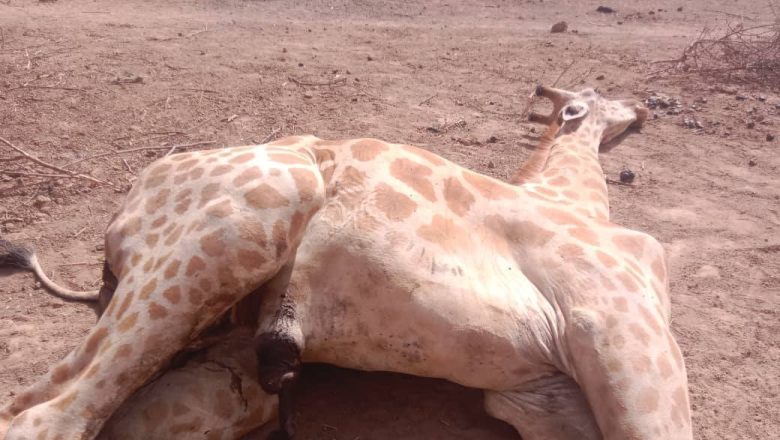
The first giraffe calf born in Niger's Gadabedji Reserve, named Abagana, died on May 16, 2026. The death of the young giraffe has drawn attention to the challenges faced by wildlife conservation efforts in the region, noting critical deficiencies in veterinary care for the nation's vulnerable animal populations. This incident was reported by the Journal du Niger on May 18, 2026, two days after the calf's passing, bringing the issue to public light. The tragic loss of Abagana, a symbol of hope for the reserve's burgeoning wildlife, has sparked renewed calls for urgent intervention and improved resources to protect Niger's natural heritage.
Tragic Loss of Young Giraffe
The animal succumbed to a penile prolapse, which led to an inability to urinate. This specific medical condition, if addressed promptly, can often be managed, but the absence of specialized veterinary care proved fatal for the young calf. Its death notes broader issues within wildlife veterinary care in Niger, revealing a systemic lack of resources and expertise available for immediate medical interventions. This unfortunate event marks the second instance in a short period where wildlife agents have observed the demise of a large savanna animal due to insufficient medical assistance, showing a worrying trend. Another female giraffe recently died following a tragic birth in the Gadabedji Reserve, an equally preventable loss. This female was also deprived of the medical intervention that could have saved her life, further illustrating the severe limitations faced by conservationists on the ground. The two incidents show a critical need for enhanced veterinary support for the country's giraffe population, particularly within protected areas like the Gadabedji Reserve. The absence of timely and adequate veterinary services has been cited as a significant factor in these preventable deaths, raising concerns among conservationists and wildlife authorities regarding the future of Niger's iconic giraffe species.
Broader Veterinary Care Deficiencies
The giraffe calf's death has been attributed to a lack of appropriate veterinary care, according to sources familiar with the incident. This unfortunate event marks the second instance in a short period that agents have witnessed the loss of a large savanna animal due to lack of medical assistance, indicating a persistent and dangerous gap in wildlife management. The repeated losses highlight significant gaps in the veterinary support infrastructure available for wildlife in Niger, particularly for critical conservation efforts within protected areas such as the Gadabedji Reserve. The absence of readily available and specialized veterinary services has become a recurring challenge, posing a serious threat to the country's wildlife populations. These incidents show the urgent need for investment in veterinary resources and expertise to prevent further preventable deaths among Niger's iconic species, ensuring that future generations of animals, like Abagana, receive the care they need to thrive.
Impact on Conservation and Tourism
The disappearance of Abagana, the first giraffe calf born in the Gadabedji Reserve, represents a significant loss for Niger's tourism attractiveness. The presence of iconic wildlife, particularly rare species like giraffes, is a key draw for international visitors and contributes substantially to the nation's appeal as a wildlife destination. The loss of such a promising young animal not only impacts the ecological balance but also diminishes the allure for eco-tourism, which is a vital source of revenue and a driver for conservation funding. The incident shows an urgent need for enhanced capacity building within Niger. This includes training local agents in essential veterinary first aid and specialized wildlife anesthesia techniques. Such training is deemed critical to prevent future preventable deaths and to safeguard the country's wildlife populations, which are vital for both ecological balance and the tourism sector. Equipping local personnel with these key skills would provide immediate response capabilities, potentially averting similar tragedies and securing the future of Niger's precious wildlife.