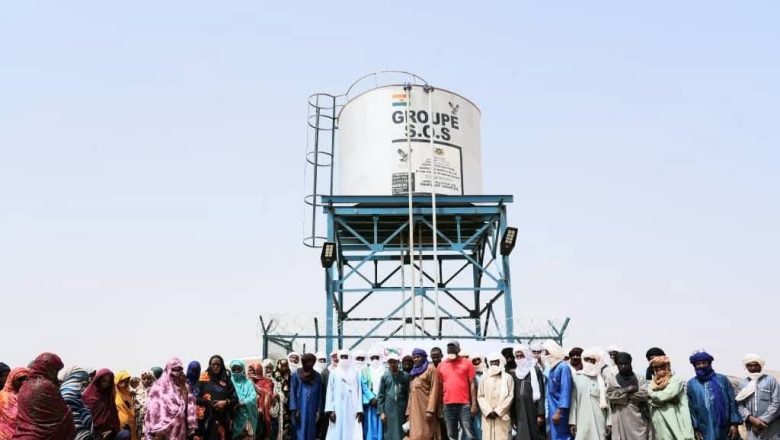
The commune rurale de Timia has reportedly seen improved living conditions following the establishment of new water infrastructure in the region. This development addresses a critical need for accessible water in Timia, a region where reliable access to clean water has historically been a challenge. The boreholes, providing this essential resource, were entirely financed using Groupe SOS's own funds, according to reports. This significant investment shows the organization's commitment to fostering sustainable development. The project aims to bolster the well-being of residents by enhancing their access to clean water, thereby improving public health and daily routines for numerous households.
Project Details and Funding
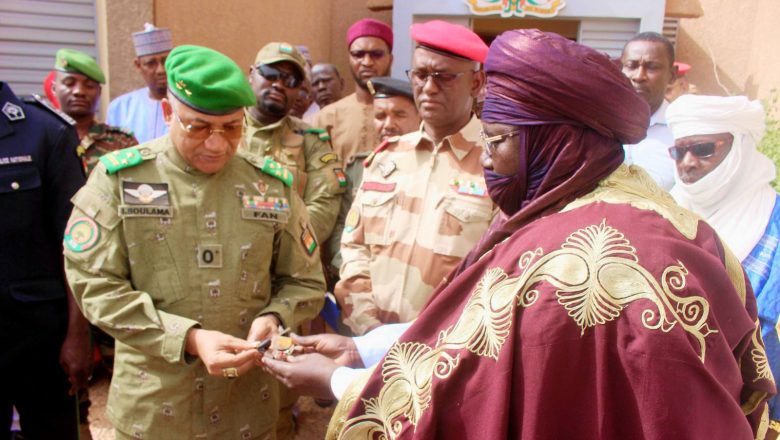
Groupe SOS officially handed over two major hydraulic infrastructures to local authorities in Timia. The delivery of these new water points was conducted in close coordination with local administrative and technical authorities, ensuring a smooth and smooth transition for community benefit. This collaborative approach facilitated the integration of the new facilities into the existing local framework. As a direct result of this initiative, the localities of Taghalalat and Tefaraw Barbara now have access to modern and secure water points. These new facilities are expected to significantly improve daily life for residents in both areas, reducing the burden of water collection and providing a safer source for consumption. The project shows Groupe SOS's commitment to supporting essential infrastructure development in the Timia region, demonstrating a tangible impact on the lives of its inhabitants.
CSR Initiative and Impact
The new boreholes were strategically placed in areas of Aïr identified as having the most critical water needs, according to Groupe SOS. This targeted placement ensures that the intervention addresses the most pressing requirements within the community. The installation of these hydraulic works forms a key part of the group's corporate social responsibility (CSR) program. This initiative aims to address pressing community requirements by providing essential infrastructure, aligning with Groupe SOS's broader mission of social impact. The locations chosen for the boreholes in Aïr were selected based on thorough assessments of local demand, ensuring maximum benefit to the populations. Groupe SOS indicated that its CSR program guides such investments, focusing on projects that deliver direct and measurable benefits to local populations, reflecting a dedication to sustainable community development.
Local Management and Future
Local management committees will assume responsibility for the ongoing maintenance and sustainability of the new water infrastructures in Timia. This approach aims to ensure the long-term operability of the boreholes, fostering community ownership and self-reliance. The committees will oversee routine upkeep and address any issues that may arise, contributing to the continued provision of water for the communities of Taghalalat and Tefaraw Barbara. This local oversight is expected to play a key role in preserving the functionality and benefits of the structures provided by Groupe SOS, ensuring their longevity. The transition of management to local committees reflects a strategy for community-led resource stewardship, focusing on enduring service delivery and empowering local residents. This model is designed to guarantee that the water points remain functional and beneficial for generations to come.
Community Reception
The new water boreholes in Timia have been met with positive feedback from local communities. Residents in Taghalalat and Tefaraw Barbara have expressed relief regarding the improved access to clean water, which is expected to alleviate daily struggles related to water collection. The project, entirely funded by Groupe SOS, addresses a long-standing need for reliable water sources in the Aïr region, transforming daily life for many. Local leaders anticipate that the new infrastructure will also contribute to better health outcomes and economic stability for families, as less time will be spent on water procurement and health issues related to contaminated water may decrease. The involvement of local management committees is seen as a key factor in ensuring the long-term success and community ownership of the water points, reinforcing the project's sustainable impact.