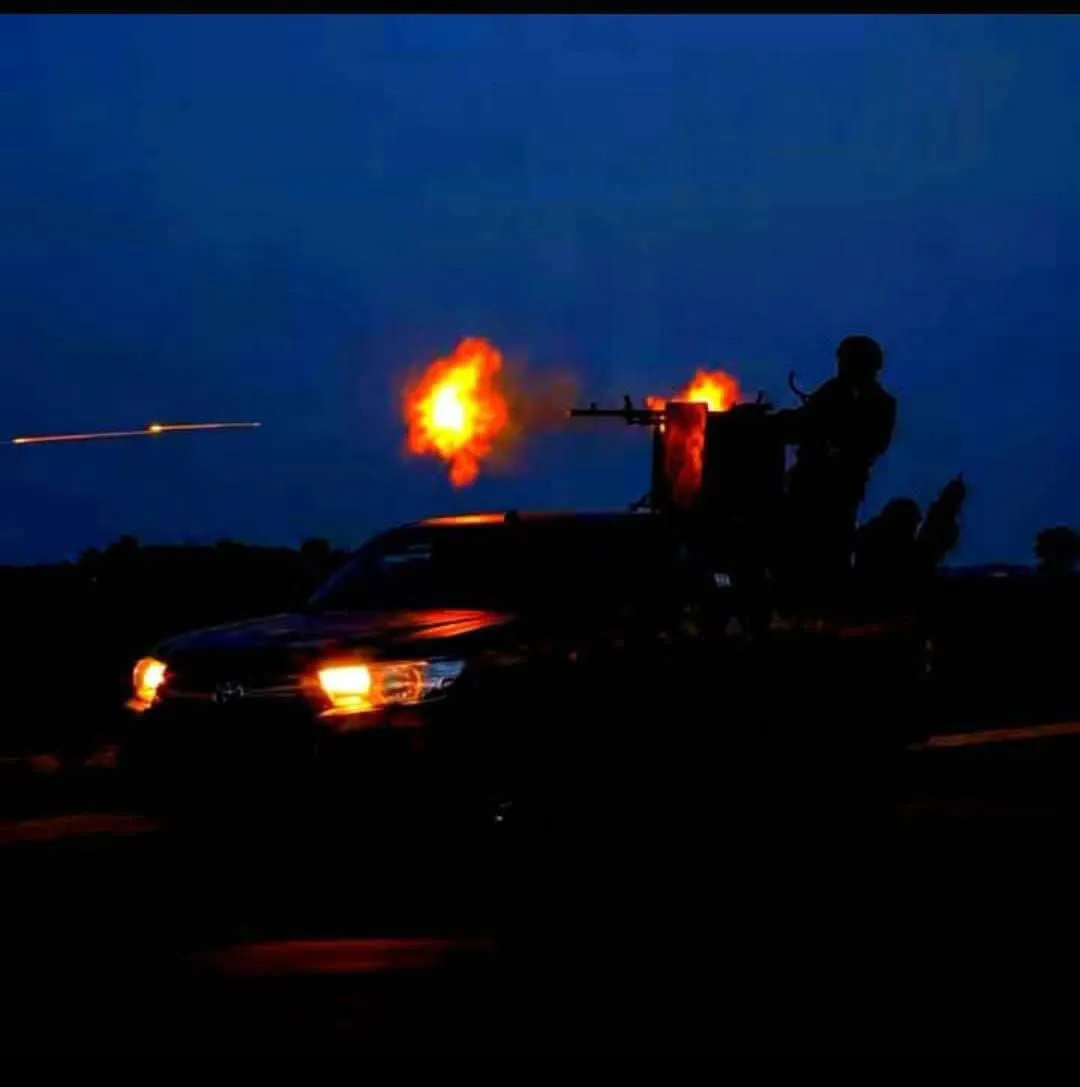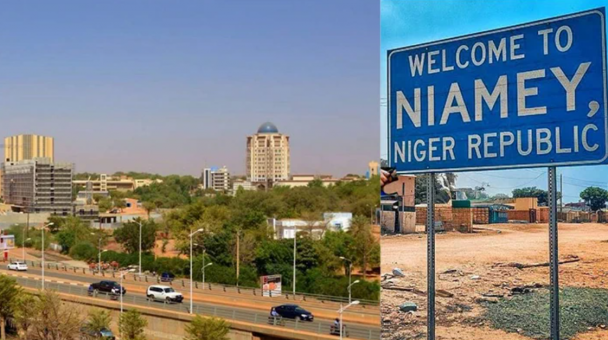
Gunfire and explosions were reported in several parts of Niamey, Niger Republic’s capital, early Saturday, including near the Diori Hamani International Airport and the presidential palace. These incidents caused widespread alarm across the city as residents awoke to the sounds of conflict. The Nigerien authorities, through its defense ministry, later stated that the armed forces were progressively retaking control of sites, indicating an active response to the situation. The early morning attacks show ongoing security challenges in the West African nation.
Targets and Military Presence
Attackers specifically targeted the Diori Hamani International Airport in Niamey, a critical piece of infrastructure for both civilian and military operations. The airport is a significant location, housing both an air force base and a major military installation, according to reports. This dual function elevates its importance as a strategic asset. Located approximately 10km from the presidential palace, the airport's strategic importance makes it a key objective in any security incident within the capital. The presence of military assets at the airport indicates its role beyond civilian air travel, serving as a hub for national defense and air power projection. The proximity of the attacks to the presidential palace also notes the audacious nature of the assault, aiming at the heart of the country's leadership and security apparatus.
Previous Attacks on Airport
Diori Hamani International Airport has been the target of previous attacks, demonstrating a recurring vulnerability. In June, gunmen assaulted the facility, resulting in a significant loss of life, including 11 members of the security forces and two civilians. During that same June assault, 22 attackers were killed by security forces, indicating a fierce confrontation. Following the incident, authorities arrested 20 suspects and recovered a cache of weapons and ammunition, suggesting a well-organized operation. Earlier in the year, the airport was also attacked in January, an incident for which the Islamic State claimed responsibility, noting the involvement of extremist groups in targeting key national assets. These prior incidents show a pattern of aggression against the airport, making Saturday's events a continuation of a persistent threat.
Political Context Since Coup
Niger has been under military rule since July 2023, following a significant political upheaval. General Abdourahamane Tchiani led the coup that ousted former President Mohamed Bazoum during that month, fundamentally altering the country's political landscape. The military takeover marked a significant shift in the country's governance structure, replacing a democratically elected leader with a military junta. Since the coup, Niger has notably strengthened its diplomatic and strategic ties with Russia, as well as with neighboring Mali and Burkina Faso, signaling a reorientation of its foreign policy. These nations have also experienced military takeovers in recent years, leading to a realignment of regional alliances and foreign policy priorities for Niger's new leadership. The pivot towards these countries indicates a departure from previous international partnerships, particularly with Western nations, and a move towards greater regional solidarity among military-led states. This shift has been closely observed by regional and international bodies, raising questions about stability and democratic governance in the Sahel region.
Official Statements and Control
A security source cited by Reuters stated that "terrorists" attempted to breach the security perimeter around the presidency, emphasizing the gravity of the threat to the highest levels of government. Bana Wagana Ibrahim, a member of Niger’s Bureau of the Consultative Council and a deputy in the Alliance of Sahel States (AES) parliament, confirmed the attack in a Facebook post, providing an official acknowledgment from within the new political structure. Ibrahim wrote, "Another cowardly attack on Base 101 and once again our defence and security forces ensured … Situation under control," aiming to reassure the public despite the intensity of the events. State television resumed broadcasting on Saturday after temporarily going offline earlier in the day, a common occurrence during periods of unrest, further indicating the scope of the security incident. The authorities' swift response and subsequent statements aimed to project an image of control and stability in the capital.