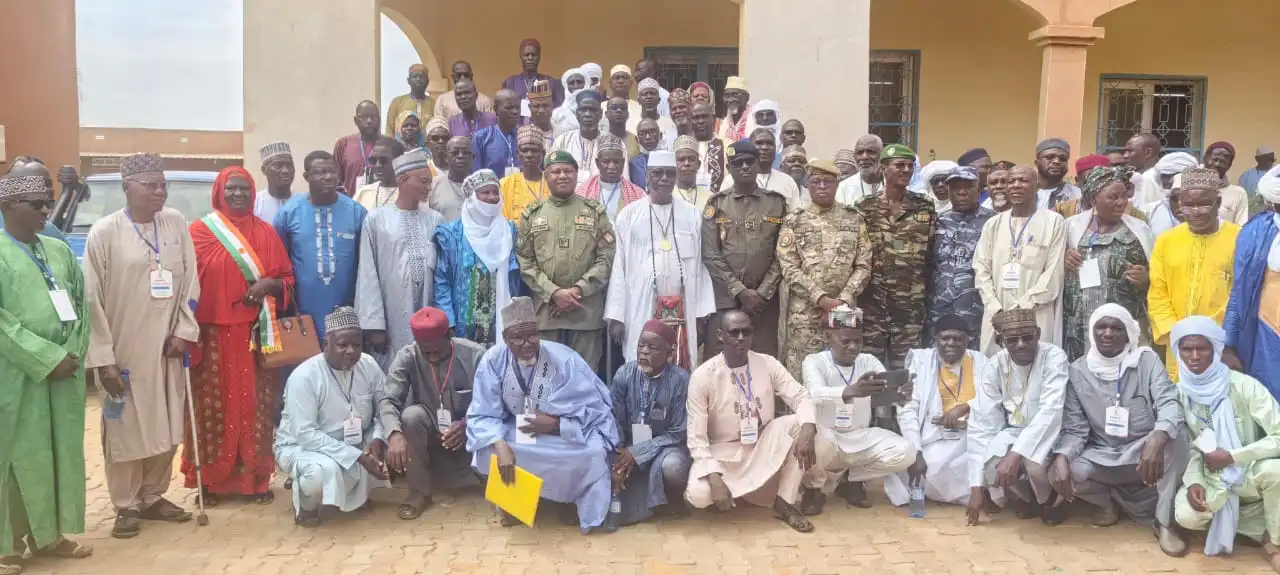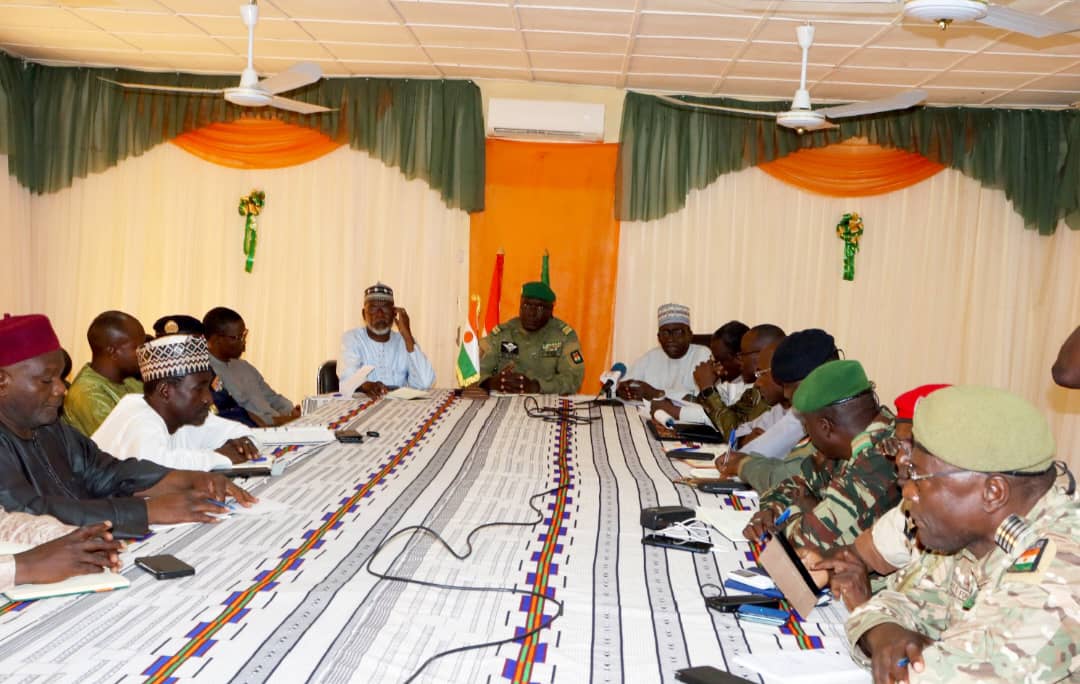
The Governor of the Tillabéri Region, Colonel Maïna Boukar, presided over a meeting in Tillabéri on Monday, September 7, 2026. The gathering involved members of the History Committee, who convened with regional officials to discuss matters pertinent to the committee's mandate. This meeting served as a formal engagement between the regional administration and the committee, addressing their collaborative efforts within the Tillabéri region. The discussions aimed to facilitate the committee's key work in documenting the nation's past, ensuring a full and accurate historical record.
Committee's Mission Details
The meeting was convened with members of the ad hoc committee tasked with compiling the general history of Niger. Specifically, the meeting was with members of the ad hoc committee charged with writing the general history of Niger. This committee's mandate involves a full documentation effort for the nation's historical record. The discussions expanded beyond the core committee members to include a broader representation of regional stakeholders. The meeting was expanded to include administrative authorities, heads of security forces, and regional technical service heads, alongside the heads of local security forces, participated in the session. Additionally, leaders from various regional technical services were present, indicating a multi-sectoral engagement with the committee's objectives in Tillabéri. The expanded attendance aimed to ensure a collaborative approach to the committee's mission within the region, drawing on diverse local expertise and perspectives to enrich the historical compilation.
Regional Authority Engagement
The meeting took place at the Governor's office in Tillabéri. During the session, Colonel Maïna Boukar showed the importance of the History Committee's mission, emphasizing its role in accurately documenting Niger's past. He reiterated the regional authorities' commitment to supporting the committee's work in Tillabéri. The discussions involved administrative authorities, heads of local security forces, and leaders from various regional technical services, ensuring a broad representation of local stakeholders. Their participation aimed to facilitate the collection of historical data and ensure regional perspectives are incorporated into the national historical record. This collaborative approach is intended to provide the committee with the necessary resources and information to fulfill its mandate effectively within the Tillabéri region, fostering a deeper understanding of the committee's needs and how regional bodies can contribute.
Governor's Perspective on History
The meeting provided a platform for discussions between the History Committee members and regional authorities regarding topics pertinent to the compilation of Niger's general history. The meeting served as a forum for exchanges between the committee members and regional authorities on themes related to writing Niger's general history. This collaborative exchange focused on ensuring the historical record accurately reflects the region's contributions and perspectives. The engagement aimed to facilitate a shared understanding of the committee's objectives and the role of local authorities in supporting its mandate to document the nation's past. Colonel Maïna Boukar noted the invaluable insights that local knowledge and records can bring to the national historical narrative, stressing the importance of thorough documentation from all parts of the country.
Broader Context and Goals
The History Committee's visit to Tillabéri forms part of a broader national initiative to compile a full general history of Niger. This effort aims to meticulously document the nation's past, ensuring accuracy and inclusivity in its historical record. By engaging with regional officials, including Governor Colonel Maïna Boukar, the committee seeks to gather diverse perspectives and local contributions essential for this ambitious undertaking. The collaboration between the committee and regional authorities is designed to facilitate the collection of historical data from all parts of Niger, reinforcing a unified national narrative. This systematic approach ensures that the rich tapestry of Niger's history, encompassing its various regions and communities, is fully represented in the final compilation, contributing to a more complete and authentic historical account for future generations.