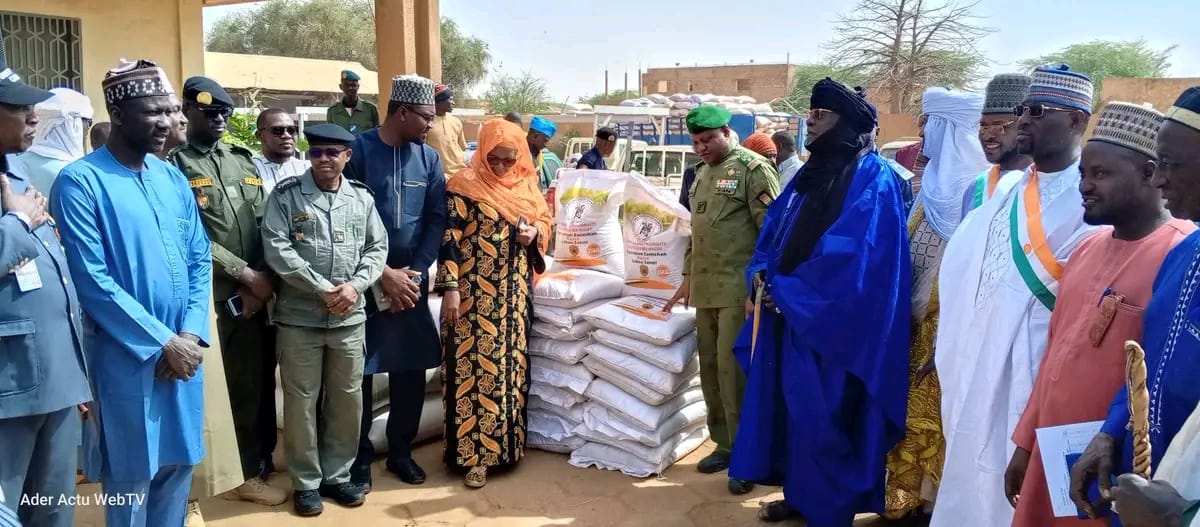
Hundreds of people in the commune of Liboré benefited from support provided under the AN 3 CNSP/Grande Irrigation Program. This initiative aimed to enhance agricultural productivity and livelihoods within the region. The program's impact on local communities was detailed in an article published on July 24, 2026. The full report noted the significant strides made in transforming agricultural practices and improving the economic well-being of numerous residents.
Program Overview and Goals
The AN 3 CNSP/Grande Irrigation Program was established to address agricultural challenges and improve economic conditions for residents in Liboré. Its primary objective centered on boosting food production and enhancing the resilience of local farming communities. The initiative sought to implement modern irrigation techniques to mitigate the impact of unpredictable weather patterns on crop yields. By providing access to reliable water sources, the program aimed to stabilize agricultural output, which is a cornerstone of the regional economy. This strategic focus was key for a region heavily dependent on agriculture, where climatic variability often posed significant threats to food security and farmer incomes. The program's design reflected a deep understanding of the local environmental conditions and the pressing need for sustainable agricultural solutions.
A core goal of the AN 3 CNSP/Grande Irrigation Program included empowering farmers with improved cultivation methods and resources. This involved training sessions on efficient water management, soil conservation, and the use of appropriate farming technologies. These educational components were designed to equip farmers with the knowledge and skills necessary to adapt to contemporary agricultural demands and environmental shifts. The program also focused on diversifying crops to reduce reliance on single commodities, thereby bolstering food security and offering farmers more stable income streams. This diversification strategy was vital for creating a more strong and resilient agricultural sector, capable of withstanding market fluctuations and environmental pressures. Ultimately, the broader vision for the Grande Irrigation Program was to foster sustainable agricultural practices that could support long-term development in Liboré. This full approach aimed to create a strong agricultural sector capable of providing consistent livelihoods for hundreds of beneficiaries within the commune, ensuring enduring positive change for the community. The strategic infusion of modern techniques and knowledge aimed to move beyond short-term fixes, establishing a foundation for sustained agricultural prosperity.
Impact on Local Community
The AN 3 CNSP/Grande Irrigation Program has significantly altered the agricultural landscape and economic prospects for numerous residents in Liboré. The initiative focused on enhancing food production and improving the resilience of local farming communities, leading to tangible benefits for those involved. Access to reliable water sources, a cornerstone of the program, has stabilized agricultural output, which is vital for the regional economy. This stability has enabled farmers to plan their cultivation cycles more effectively, reducing the risks associated with erratic rainfall patterns and ensuring a more consistent harvest. The predictable availability of water has transformed previously marginal lands into productive agricultural areas, thereby expanding the overall cultivation capacity of the commune. This fundamental change has directly contributed to increased food availability and improved household food security for participating families.
Hundreds of individuals within the commune of Liboré have directly benefited from the support provided under this program. These beneficiaries, primarily farmers and their families, have experienced improvements in their daily livelihoods. The program’s emphasis on modern irrigation techniques has allowed for the cultivation of crops that might otherwise struggle in arid conditions, thereby expanding the types of produce available and increasing overall yields. This diversification of crops has not only bolstered food security for local households but also opened new income streams for farmers, moving them away from over-reliance on single commodities. The consistent availability of water has also enabled some farmers to engage in multiple growing seasons per year, further maximizing their productivity and income generation. The shift from rain-fed agriculture to irrigated farming has provided a key buffer against the severe impacts of drought, a recurring challenge in the region. This has translated into more stable incomes and a higher quality of life for many families who previously faced precarious agricultural conditions.
Beyond the immediate agricultural gains, the program has fostered a sense of self-sufficiency among the participating communities. Farmers have received training in efficient water management, soil conservation, and the application of appropriate farming technologies. These educational components are designed to empower beneficiaries with sustainable agricultural practices that can endure beyond the program's initial implementation phase. The acquisition of new skills and knowledge has equipped farmers to adapt to changing environmental conditions and market demands, strengthening their long-term economic viability. This capacity building is critical for ensuring that the benefits of the irrigation program are sustained and continue to grow over time. The training modules covered practical aspects such as drip irrigation techniques, crop rotation, and the judicious use of fertilizers, all tailored to local conditions. This hands-on approach has given farmers the confidence and expertise to manage their resources more effectively, promoting a sense of ownership over their agricultural development.
The economic ripple effect extends beyond the farm gate. Increased agricultural production has stimulated local markets, leading to more trade and economic activity within Liboré. Local vendors and traders have more produce to sell, creating opportunities for additional income throughout the supply chain. The consistent availability of fresh produce has also contributed to improved nutrition within the community, enhancing the overall health and well-being of residents. This integrated approach, which considers both direct agricultural improvements and broader community development, shows the full impact of the AN 3 CNSP/Grande Irrigation Program. The initiative is designed to create a strong agricultural sector capable of providing consistent livelihoods, ensuring that hundreds of beneficiaries in the commune experience lasting positive change. The enhanced agricultural output has also reduced the reliance on external food aid, fostering greater food sovereignty for the region. The increased economic activity has also had secondary benefits, such as supporting small local businesses that supply farming inputs or process agricultural products, thereby strengthening the local economy across multiple sectors.
Context of Liboré Commune
Liboré, a commune situated in Niger, is primarily characterized by its arid to semi-arid climate, which historically presents significant challenges for agricultural activities. The region's economy relies heavily on farming, making water availability a critical factor for the livelihoods of its inhabitants. Fluctuating rainfall patterns and periods of drought have often led to unstable crop yields, impacting food security and economic stability for many families in the area. The commune encompasses a population largely engaged in subsistence agriculture, with traditional farming methods often vulnerable to environmental pressures. This inherent vulnerability made the community particularly susceptible to the adverse effects of climate change, such as prolonged dry spells and erratic precipitation. The struggle for consistent harvests was a perennial challenge, directly affecting the nutritional status and financial stability of countless households.
The agricultural landscape in Liboré typically involves the cultivation of staple crops, which are susceptible to the variable climatic conditions. Prior to the implementation of large-scale support programs, farmers frequently faced difficulties in ensuring consistent harvests, which in turn affected market supply and household incomes. Infrastructure development in the commune has historically focused on basic necessities, with agricultural support systems often requiring enhancement to meet the growing demands of the population. The commune's geographic location and environmental conditions show the necessity of initiatives like the Grande Irrigation Program, designed to introduce more resilient and productive farming practices. These efforts aim to mitigate the inherent risks associated with rain-fed agriculture and provide a more stable foundation for the local economy. The traditional farming practices, while culturally significant, often lacked the resilience needed to cope with increasingly unpredictable weather patterns. The introduction of modern irrigation systems therefore represented a paradigm shift, offering a pathway to greater agricultural stability and economic growth in an otherwise challenging environment. The program directly addressed the critical gap in agricultural infrastructure and technical knowledge that had long hindered the commune's development.
Future Outlook and Sustainability
The long-term success of the Grande Irrigation Program in Liboré depends on continued investment and the sustained engagement of its beneficiaries. Efforts are underway to ensure the irrigation infrastructure remains operational and efficient, with plans for regular maintenance schedules and capacity-building workshops for local communities. These initiatives aim to empower farmers to independently manage and sustain the irrigation systems, fostering self-reliance beyond the initial program phases. Ensuring the availability of spare parts and technical support will be critical for addressing potential challenges as the program matures. The establishment of local committees responsible for overseeing the maintenance and equitable distribution of water resources is a key component of this sustainability strategy. These committees are trained to troubleshoot minor issues and coordinate with external support for more complex repairs, thereby reducing dependency on external actors.
Integrating new agricultural technologies and climate-resilient farming practices will be essential to adapt to changing environmental conditions and secure long-term food security for the commune of Liboré. This includes exploring drought-resistant crop varieties, precision agriculture techniques, and renewable energy sources for pumping water, which could further reduce operational costs and environmental impact. The ongoing training and education of farmers in these advanced methods will ensure that the benefits of the Grande Irrigation Program are not only maintained but also expanded over time. The program's vision extends to creating a model of sustainable agricultural development that can be replicated in other vulnerable regions, demonstrating the profound impact of strategic interventions. The continuous monitoring of water levels and soil health, coupled with adaptive management strategies, will be key for the enduring success of this transformative initiative in Liboré. This forward-looking approach aims to solidify the gains made and ensure that the hundreds of individuals who have benefited continue to thrive through enhanced agricultural productivity and economic stability.