Mali has asserted its security autonomy following reports indicating the possibility of American strikes against jihadist groups in northern Mali. The potential for such actions has prompted responses from Bamako regarding the nation's sovereignty over its territory.
No Official US Confirmation
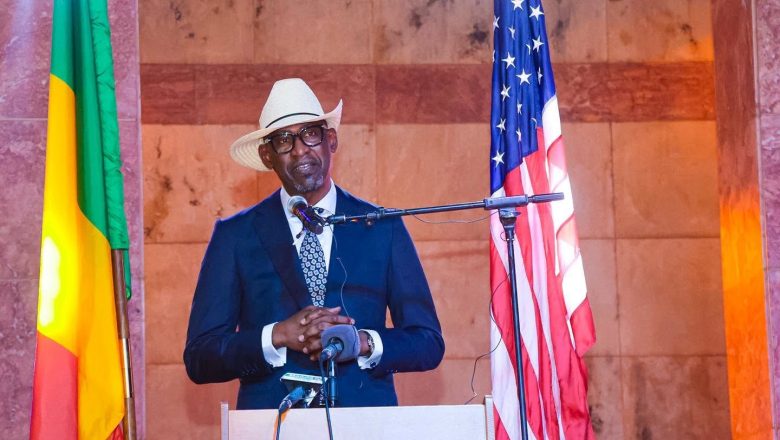
Mali's Minister of Foreign Affairs, Abdoulaye Diop, stated that Bamako has received no official confirmation from Washington regarding potential US strikes within the country. Diop emphasized Mali's position, saying, "Nous n’avons aucune confirmation ou déclaration officielle américaine sur cette question. Nous attendons de voir la posture des autorités américaines" (We have no official American confirmation or declaration on this matter. We are waiting to see the posture of the American authorities).
Diop affirmed Mali's intent to rely on its own capabilities to address its challenges. "Je peux vous assurer que le Mali n’est pas assis en train d’attendre que d’autres viennent régler notre problème," he declared, translating to: "I can assure you that Mali is not sitting around waiting for others to solve our problem." The minister further clarified the nation's stance, stating, "Le Mali compte sur lui-même, sur son intelligence, sur ses ressources, ses forces de défense et de sécurité et ses propres moyens pour régler ses problèmes" (Mali counts on itself, on its intelligence, on its resources, its defense and security forces, and its own means to resolve its problems).
Mali's Self-Reliance Strategy
Mali's security strategy centers on bolstering its national capabilities and asserting autonomy in all security operations. This approach shows a commitment to self-reliance for addressing internal challenges. The Malian government has consistently articulated its intent to utilize its own intelligence, resources, and defense and security forces to resolve issues within its borders. This emphasis on national capacity building aims to reduce dependence on external actors for the country's security needs. The strategy reflects a broader move towards exercising full sovereignty over its territory and defense policies. Bamako's position indicates a determination to shape its own security future, independent of foreign intervention.
Regional Security Context
The Malian declaration regarding its security autonomy emerges amidst persistent regional discussions concerning international cooperation in counter-terrorism efforts across the Sahel. These debates often center on the roles and responsibilities of both regional governments and external partners in combating extremist groups active within the vast, arid region. The Sahel's complex security landscape has prompted various forms of international engagement, ranging from military support and training to intelligence sharing. Mali's stance shows a push for greater national control over security operations, reflecting a broader trend of African nations seeking to redefine their partnerships and operational independence in counter-terrorism initiatives. This context shapes the ongoing dialogue between Mali and international actors regarding security strategies.
Minister's Firm Stance
Any foreign cooperation concerning Mali's security must adhere to principles of respect for the nation, its sovereign choices, and the interests of its populations. This framework was outlined by Malian officials as a prerequisite for engaging with external partners. The government maintains that any collaborative efforts must align with these core tenets, showing Bamako's assertion of autonomy in managing its security affairs. This stance reflects a broader policy emphasizing national control over defense strategies and an independent approach to addressing internal challenges. Mali expects international partners to acknowledge these conditions when considering any form of engagement within its borders, particularly concerning anti-jihadist operations.