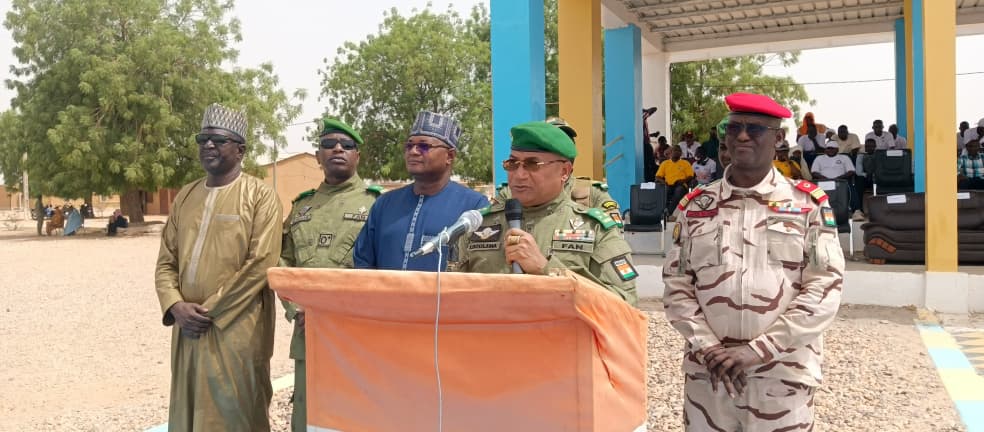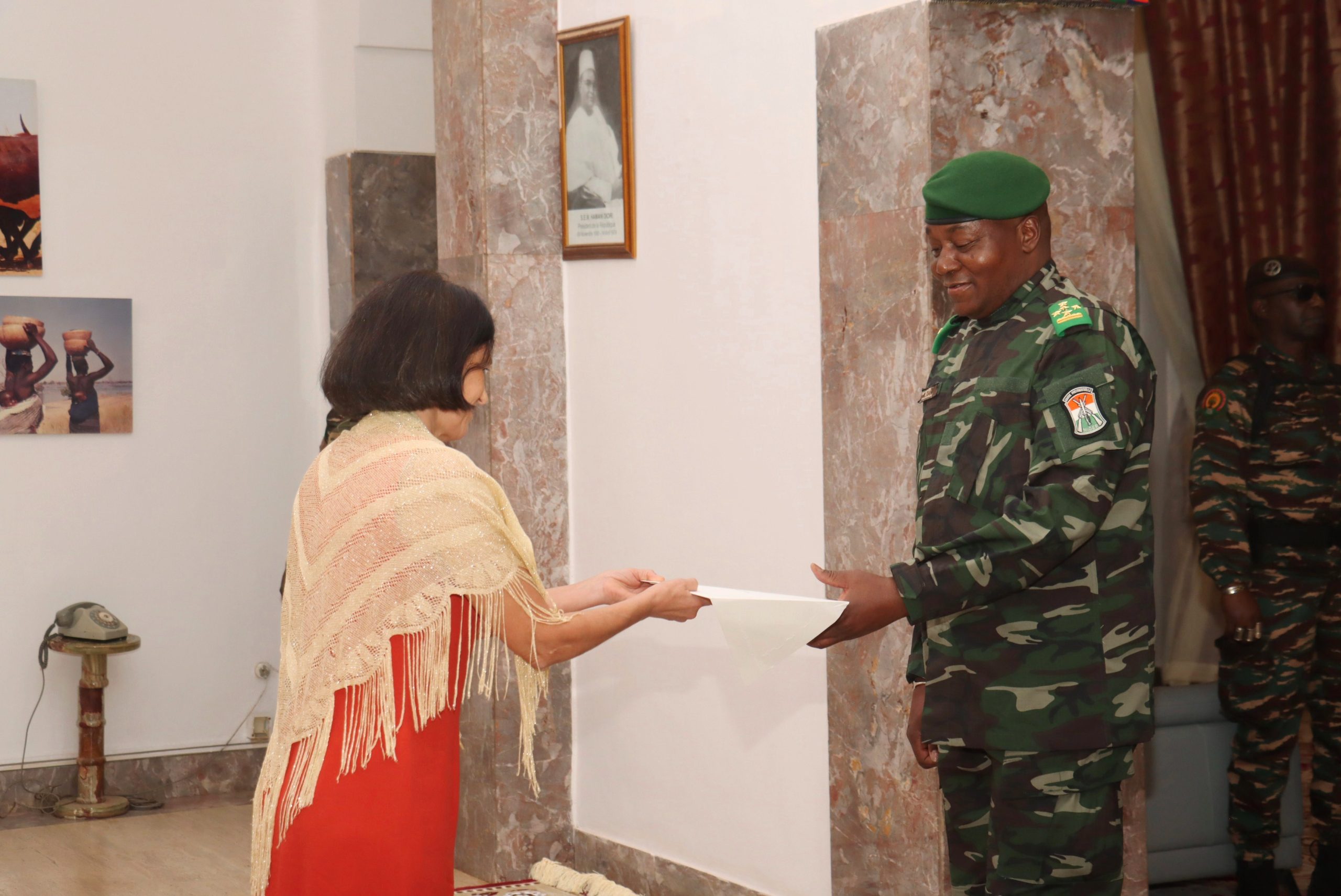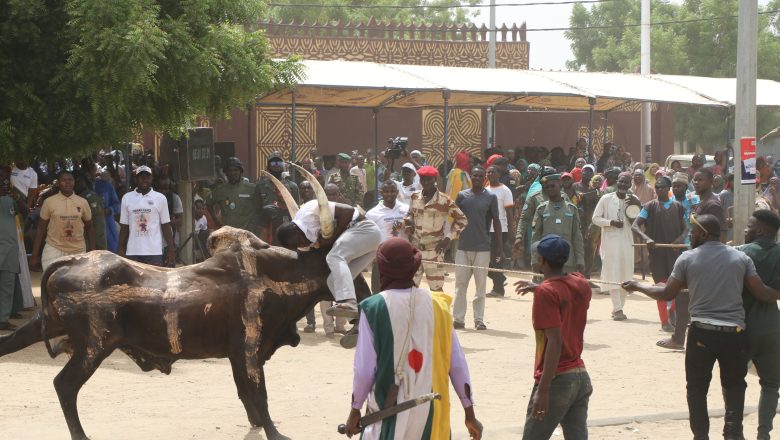
Maradi, Niger, celebrated its ancestral bullfighting tradition, 'Hawan Kawo,' on Tuesday, May 26, 2026. The vibrant cultural event brought together a wide array of community leaders and regional officials, noting its importance within the region. The Sultan of Katsina Maradi, Ahmed Ali Zaki, a revered figure, attended the celebrations, which prominently featured the traditional 'tauromachie ancestrale'. His presence showed the deep historical and cultural roots of the event. Contrôleur général de police Issoufou Mamane, the esteemed Governor of the region, was also present at the significant event in Maradi, demonstrating official recognition and support for the long-standing tradition. The gathering of such prominent figures emphasized the communal and regional significance of 'Hawan Kawo' as a cornerstone of local identity and heritage.
Key Figures and Rituals
A central moment of the 'Hawan Kawo' celebration involved the formal presentation of the Chief Butcher of the city, M. Idi Kalélé, to the Sultan of Katsina Maradi, Ahmed Ali Zaki. This presentation is a key ritual within the tradition, symbolizing the continuity of leadership and the importance of specific roles within the community. During this significant presentation, M. Idi Kalélé's authority and status were officially reaffirmed, a practice that has been passed down through generations. Following this, Sultan Ahmed Ali Zaki personally presented M. Idi Kalélé with several prestigious gifts, which included a magnificent parade horse, a traditional boubou, and an intricately woven turban. These gifts are not merely tokens but powerful symbols signifying his continued role, elevated status, and the community's respect for his position. After these ceremonial acts, the focus shifted to the arena where traditional butchers, skilled in the ancestral practice, bravely entered to confront a bull. This ritualistic confrontation is a central and defining element of the ancestral bullfighting tradition in Maradi, deeply embedded in the local culture. This powerful display showed the profound cultural significance of the event for the community, serving as both a spectacle and a reaffirmation of ancient customs. The participation of the butchers and the symbolic confrontation with the bull are integral to the 'Hawan Kawo' celebration, drawing on practices that have defined the community for centuries.
Cultural Significance and Context
The 'Hawan Kawo' celebration holds immense cultural importance for the people of Maradi. It is not merely an isolated event but serves as a significant prelude to two major Islamic holidays, Tabaski and Ramadan, marking a key period in the community's annual calendar. The event functions as a traditional marker, anticipating the festive and spiritual periods ahead, and preparing the community for these observances. This ancestral bullfighting tradition plays a vital role in helping to reinforce communal bonds and strengthen cultural identity among the residents of Maradi, particularly as they look forward to these significant religious observances. The celebration also provides a valuable opportunity for local leadership, including revered figures such as Sultan Ahmed Ali Zaki and Governor Issoufou Mamane, to actively engage with the community. Their presence and participation are key in upholding and validating these long-standing customs and traditions. The various rituals performed throughout the day, particularly the formal presentation and recognition of the Chief Butcher, M. Idi Kalélé, show the deep-rooted cultural heritage associated with the festival. These practices serve as a living link, connecting past generations and their traditions with contemporary community life, ensuring the cultural legacy endures.
Concluding Prayers for Nation
The 'Hawan Kawo' ceremony culminated with a powerful moment of unity and spirituality: collective prayers offered by the entire community. Participants devoutly invoked blessings for abundant rainfall, an essential element for agricultural sustenance and the overall prosperity of the region. The importance of rain for crops and livestock makes these prayers a critical component of the community's hopes for the future. In addition to agricultural blessings, prayers were also fervently extended for peace and prosperity to prevail across the entire nation of Niger. This communal prayer noted the profound spiritual dimension embedded within this ancestral tradition, linking the cultural celebration with the deepest hopes and aspirations for the well-being and future of the entire country. This concluding element, rich in spiritual significance, powerfully showed the community's reliance on both their cherished traditions and spiritual guidance for their continued welfare and flourishing.
Publication Date
The article detailing these significant events was published on Tuesday, May 26, 2026. This report comprehensively describes the 'Hawan Kawo' celebrations, an ancestral bullfighting tradition deeply rooted in the cultural fabric of Maradi, Niger. The event meticulously observed traditional rituals and successfully gathered key community figures and regional officials, all united in their participation and reverence for this important cultural observance.