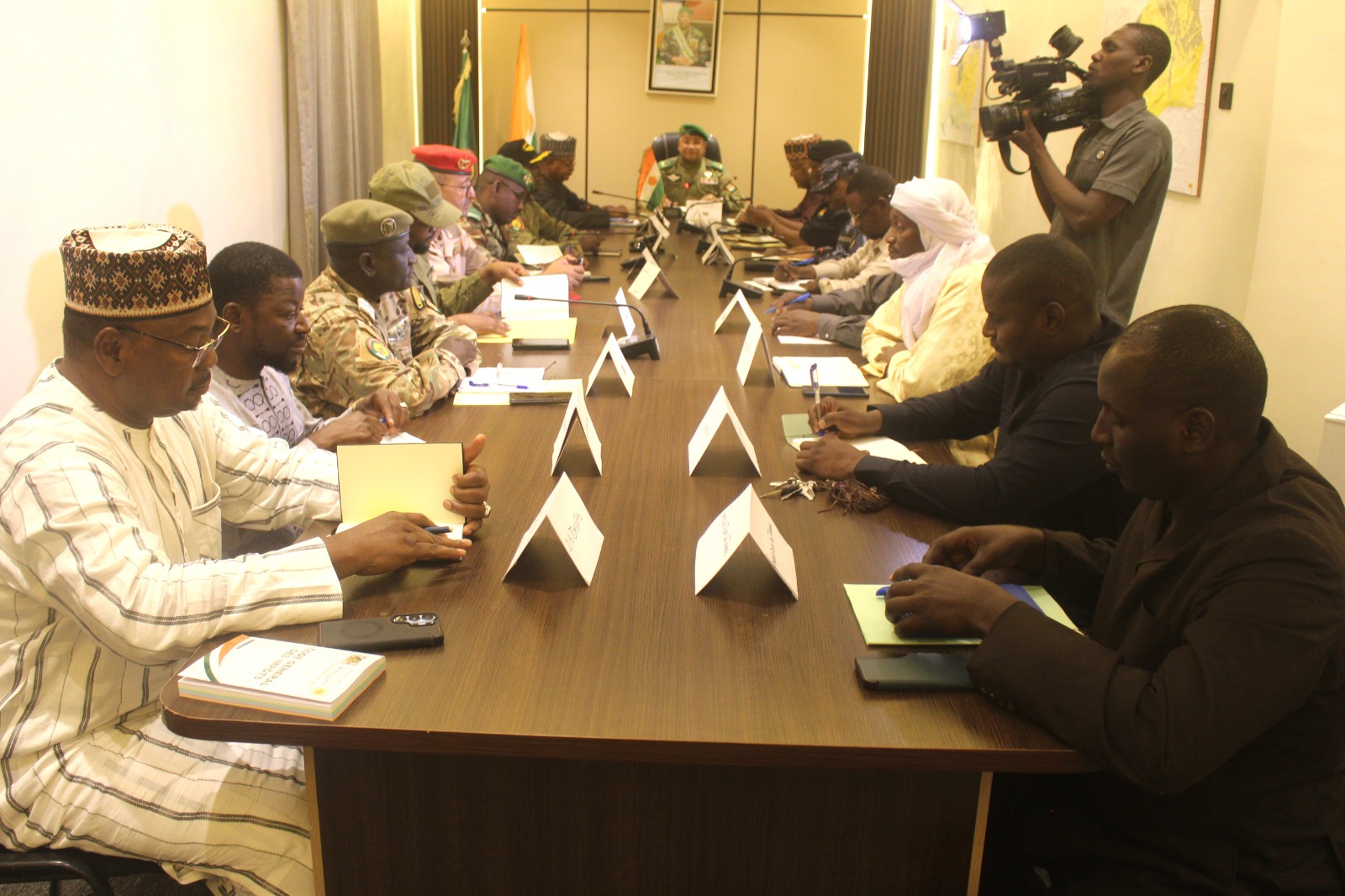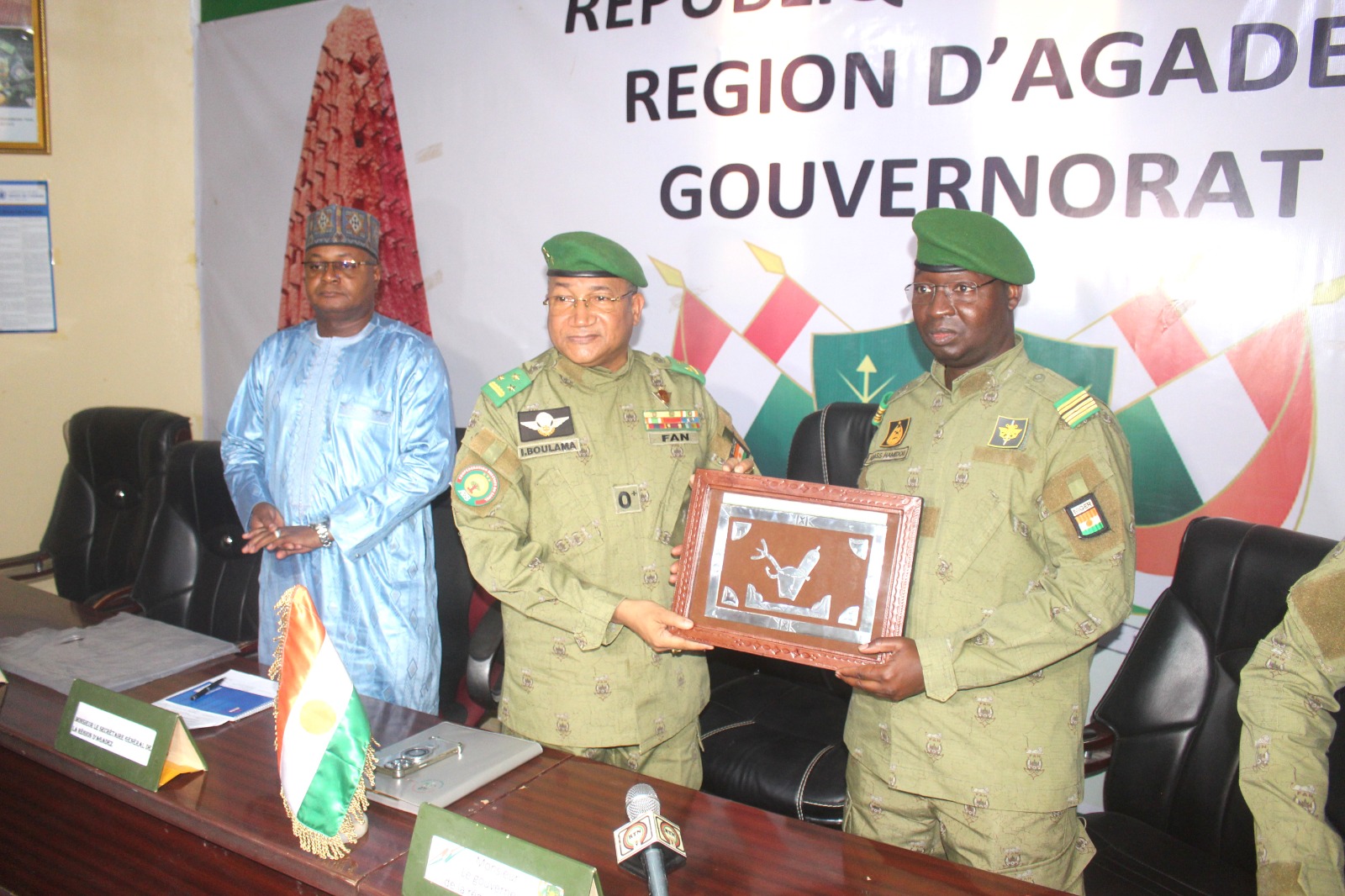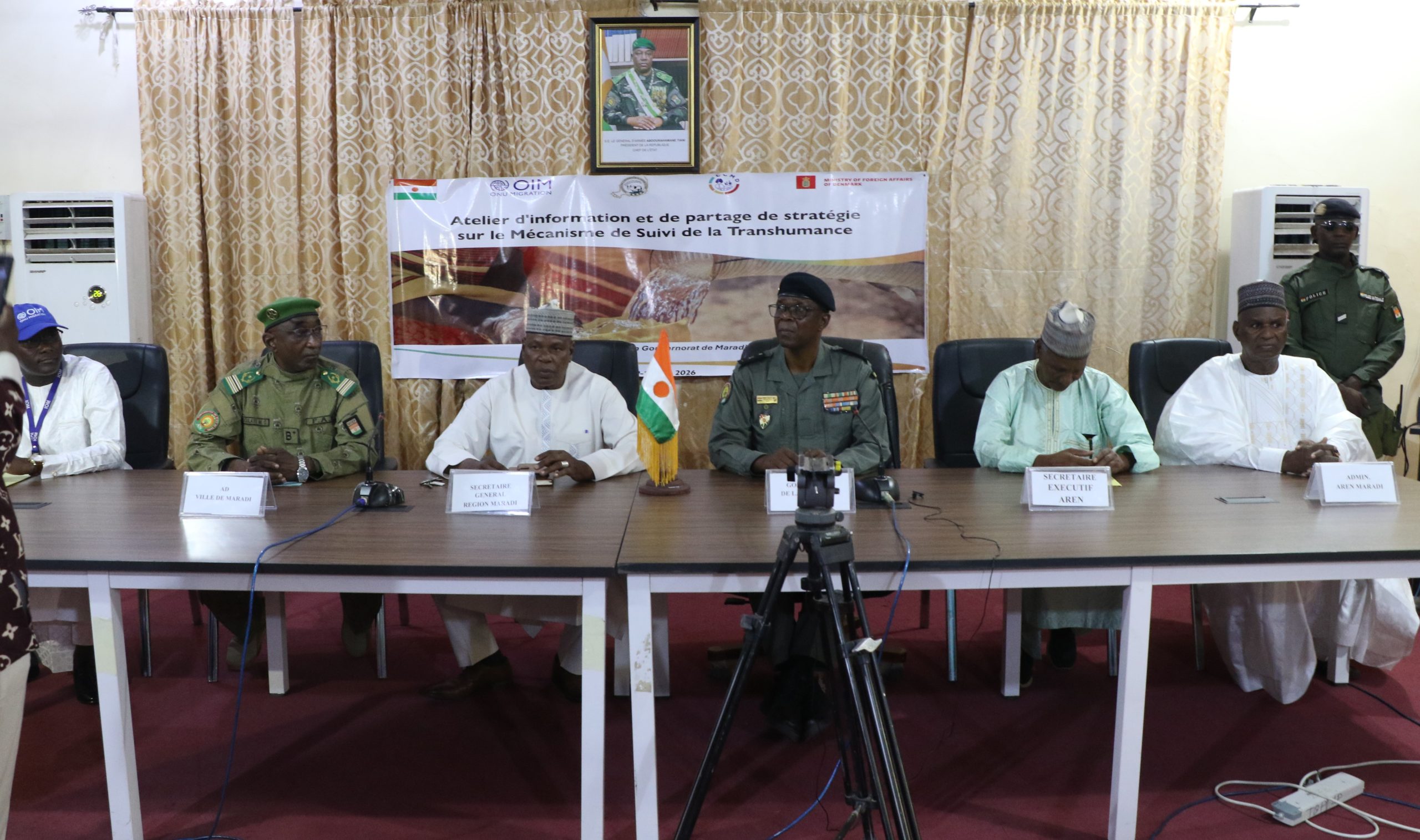
The Governor of Maradi, Contrôleur Général de Police Issoufou Mamane, inaugurated an information and strategy sharing workshop in Maradi concerning the transhumance monitoring mechanism. The event aims to enhance the region's approach to managing seasonal livestock movements. This key gathering shows the commitment of regional authorities to addressing the complex dynamics of pastoralism and ensuring the sustainability of agro-pastoral systems.
Importance of Transhumance
The workshop, held on Tuesday, June 9, 2026, in Maradi, addressed the critical role of livestock migration. The pastoral system relies on the mobility of livestock, which is deemed essential for both the survival of herds and the overall productivity of the sector. This movement allows animals to access varied pastures and water sources, particularly key in regions with fluctuating environmental conditions. The strategy discussions during the workshop aim to better manage these movements, acknowledging their significance to the local economy and animal welfare. The inherent mobility within the pastoral system is not merely a traditional practice but a fundamental necessity that underpins the economic viability and ecological balance of the region's livestock industry. Without this ability to move, herds would face significant challenges in finding adequate sustenance, directly impacting the livelihoods of pastoral communities.
Workshop Objectives and Participants
The workshop in Maradi is designed to bring together regional decision-makers involved in transhumance and livestock mobility. Participants include various stakeholders whose roles are central to the effective management and monitoring of seasonal animal movements. This assembly aims to foster collaborative strategies among key actors to address the complexities associated with transhumance. The gathering facilitates discussions on improving coordination and implementing strong mechanisms for tracking and regulating livestock movements across the region. By convening these decision-makers, the event seeks to streamline policies and operational procedures, ensuring a harmonized approach to managing the essential practice of pastoralism. The focus remains on developing practical, actionable strategies that support both the livestock sector and regional stability. These discussions are key for creating a unified framework that can adapt to the dynamic nature of transhumance while mitigating potential challenges.
Governor's Vision for Mobility
A primary objective of the workshop is to cultivate a shared understanding and collective adherence to the transhumance management strategy among all institutional stakeholders across the intervention regions. This unified approach aims to streamline efforts and ensure consistent implementation. Seasonal transhumance is considered the optimal adaptation strategy for Sahelian herders, enabling them to effectively navigate the challenges posed by climate variability. This mobility allows for the efficient utilization of available resources, key for the resilience of pastoral communities in the region. The Governor's vision emphasizes that by ensuring all relevant parties are aligned on strategy, the region can better support its pastoral populations. This strategic alignment is seen as key to fostering sustainable practices and enhancing the overall capacity to manage livestock movements efficiently and peacefully.
Addressing Transhumance Challenges
Despite its significant socio-economic importance, the inherent mobile nature of transhumance also presents numerous risks that can weaken agro-pastoral systems. The practice, while vital for livestock survival and productivity, often encounters challenges related to resource access, potential conflicts with settled agricultural communities, and disease transmission. These issues can undermine the stability and sustainability of both pastoral and agricultural livelihoods. The workshop seeks to develop mechanisms to mitigate these identified risks, ensuring that transhumance can continue to contribute positively to regional economies without exacerbating existing vulnerabilities within the agro-pastoral sector. Addressing these challenges is central to strengthening food security and fostering peaceful coexistence among different communities. The discussions aim to formulate practical solutions that balance the needs of mobile herders with those of sedentary farmers, promoting a harmonious and productive environment for all.