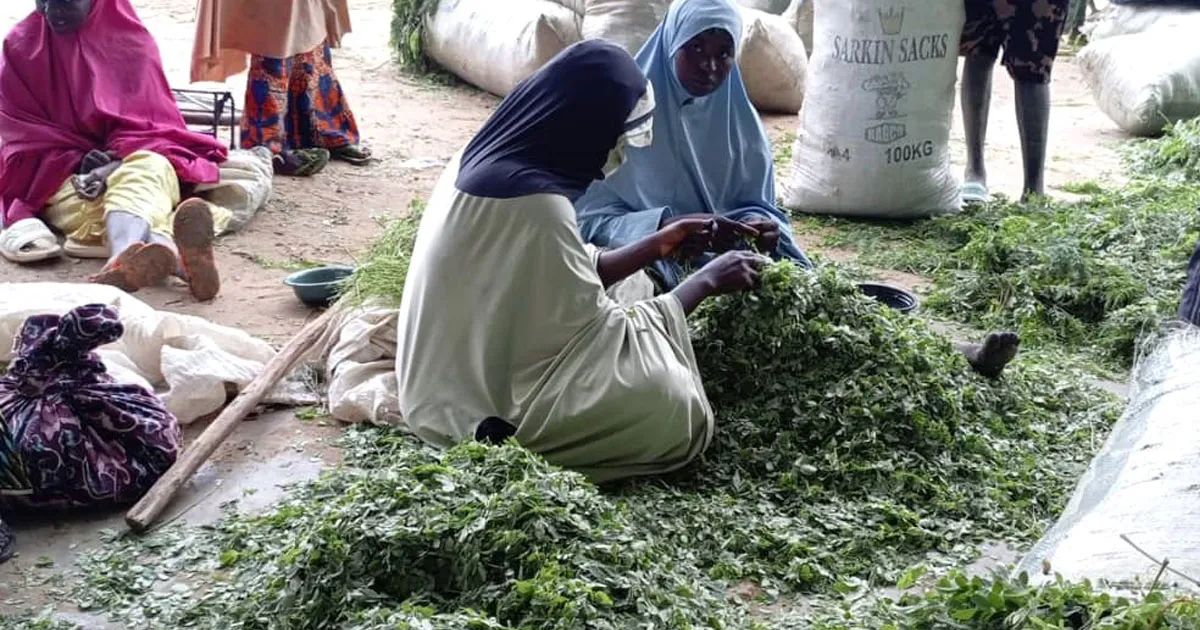
The price of a 50 kg sack of moringa has reached 15,000 FCFA in Niamey, Niger, representing more than a doubling of its previous cost. This significant increase comes despite an apparent abundance of the product in local markets such as Zongo and Petit Marché. The sharp rise in prices has impacted consumers and traders in the capital, leading to concerns about affordability and market stability for this essential commodity.
Dramatic Price Surge Explained
The price of a 50 kg sack of moringa was approximately 7,000 FCFA at this same period last year. The current surge to 15,000 FCFA marks a substantial increase over the past twelve months, more than doubling the cost for consumers and vendors. This dramatic escalation has prompted questions about the factors at play. The article suggests that the apparent abundance of moringa on market stalls does not necessarily indicate that supply chains are functioning correctly. This disconnect between visible stock and elevated pricing points to underlying issues affecting the distribution and availability of the product. The situation continues to pose challenges for both consumers and vendors in Niamey, who are grappling with the unexpected cost increases. The significant price hike for the 50 kg sack reflects a broader trend impacting various quantities of moringa available in the market.
Market Visibility vs. Supply Chain Reality
Moringa remains visible on several markets in Niamey, including prominent locations like Zongo and Petit Marché. The continued presence of the product on market stalls might suggest a ready supply. However, this visibility does not necessarily translate to accessible prices for consumers. The disconnect between the apparent abundance of moringa in retail spaces and its significantly increased cost points to underlying issues within the supply chain. While the product is physically present, factors affecting its movement from producers to these markets, or subsequent distribution, appear to be driving prices upward. This situation creates a disparity where local markets exhibit stock, yet the economic reality for buyers reflects scarcity or increased operational costs for sellers. The article specifically notes that the apparent abundance on stalls does not necessarily mean supply chains are functioning correctly, indicating a potential bottleneck or inefficiency further up the distribution network. This complex interplay between visible supply and actual market pricing shows the challenges faced by the moringa market in Niamey.
Broader Economic Pressures
The International Monetary Fund (IMF) signals a recent recovery in prices and pressures related to transport and imports, which could be contributing to the current market dynamics. These broader economic shifts often have a ripple effect on local commodity prices. The IMF previously reported an inflation of -4.7% in 2025. Looking ahead, the institution forecasts an average inflation of -1.9% in 2026, suggesting a period of disinflation. These economic indicators from the IMF provide a broader context for understanding market dynamics in the region, including factors that may influence commodity prices such as moringa. The interplay of recovery, transport costs, and import pressures contributes to the overall economic environment affecting local markets in Niamey, potentially exacerbating the price increases seen for moringa. Such macroeconomic factors can significantly impact the cost of goods, from production to final sale, even for locally sourced products.
Current Market Rates
A 100 kg sack of moringa is currently selling for between 24,000 and 25,000 FCFA in Niamey's markets. This pricing reflects the continued high costs for larger quantities of the product, following reports of a significant increase for smaller sacks. The market rates indicate a sustained elevation in moringa prices across different unit sizes within the capital. Despite the reported abundance of the product in local markets, consumers face elevated costs for both 50 kg and 100 kg quantities. The persistent high prices highlight ongoing challenges in the supply chain or distribution affecting the popular commodity, making it less accessible for many households.