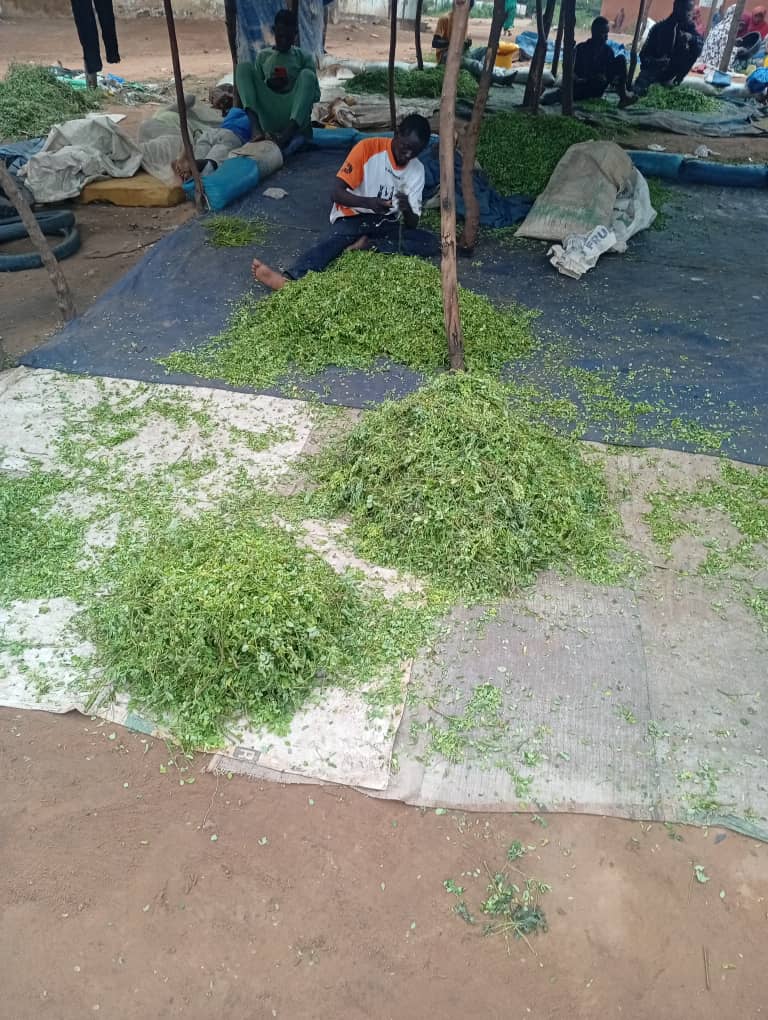
Moringa prices are experiencing a significant increase in several markets across Niamey, the capital of Niger, affecting consumers and traders throughout the city. This vital staple, widely known for its nutritional value and health benefits, has seen its cost rise sharply in key commercial areas, including the bustling Zongo market and the popular Petit Marché. The dramatic surge in prices is impacting daily household budgets across Niamey and is beginning to strain the local economy, prompting considerable concern among residents who rely on moringa as a dietary staple. This upward trend is observed consistently in various market locations throughout the city, reflecting a widespread and unexpected change in the commodity's availability and its overall pricing structure within the capital.
The escalating cost of moringa has become a pressing issue for many families. Niamey, as the nation's capital, serves as a central hub for trade and consumption, making these price fluctuations particularly impactful on a broad segment of the population. The commodity's importance in local cuisine and traditional remedies further amplifies the effects of its increased cost, as consumers find themselves paying substantially more for an essential item.
Price Surge Details
A 50 kg bag of moringa, which previously sold for approximately 7,000 F CFA last year, is now priced at 15,000 F CFA during the same period. This represents a more than doubling of the cost for this staple commodity within a single year. The significant jump shows the rapid and substantial upward trend observed in the market. For larger quantities, the price increases are equally stark: a 100 kg bag of moringa is currently available in Niamey markets for between 24,000 and 25,000 F CFA. These figures highlight the substantial upward trend in moringa prices across the city, indicating a market shift that is deeply felt by both vendors and end-users. The specific pricing details paint a clear picture of the financial burden now faced by those purchasing moringa.
Supply Chain Concerns
Some suppliers indicate that the rising prices are directly linked to a reduction in moringa availability within the primary production regions. This scarcity, originating from the areas where moringa is cultivated, has created significant upward pressure on market prices in Niamey. The decrease in supply from these key agricultural zones directly translates to higher costs for distributors and, subsequently, for consumers in the capital's markets.
The moringa most frequently consumed by residents in Niamey originates predominantly from the Banleyara axis. This specific sourcing notes the inherent vulnerability of the supply chain to conditions affecting that particular agricultural area. Any environmental challenges, logistical disruptions, or production shortfalls in the Banleyara axis can directly and immediately impact the availability and cost of the staple in the capital's markets, as is currently being observed. This geographical dependency means that issues in one key region can have widespread repercussions across Niamey.
Market Impact and Outlook
Resellers and consumers have expressed considerable concern regarding the current price of moringa, noting that the commodity's cost reaching this level is unusual for this time of year. Typically, such high prices are not observed during this period, making the current situation particularly perplexing and frustrating for those dependent on the product. This unexpected pricing trend is prompting scrutiny among those who rely on the staple for their livelihoods or daily consumption.
Despite the elevated prices, moringa remains available on several markets in the capital, including Zongo market and Petit Marché. This continued availability, even as prices climb sharply, presents a contrasting dynamic. It indicates a shift in market conditions where supply may not be the sole factor driving the price increase, or at least not the only immediate factor. The fact that moringa can still be found, albeit at significantly higher prices, suggests that the issue might also involve increased demand, heightened operational costs for traders, or other market forces at play. This situation notes the complex interplay of factors influencing commodity prices in Niamey.