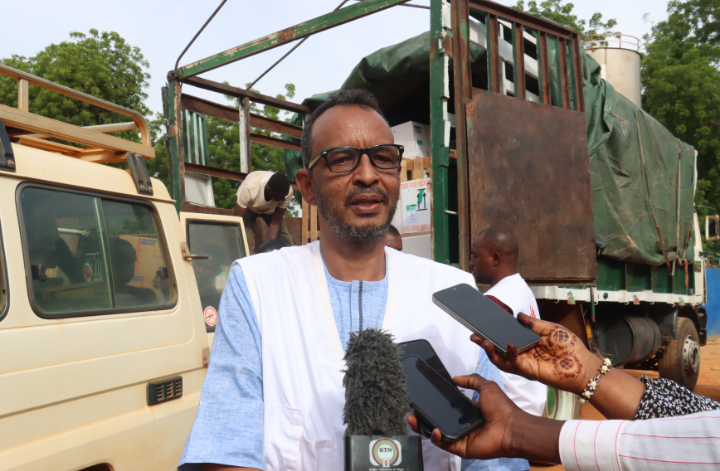
Médecins Sans Frontières (MSF) Suisse reinforced health facilities in Niamey on the evening of Thursday, September 3, 2026. The organization bolstered the local medical infrastructure to address an anticipated surge in malaria cases. This intervention aims to enhance the capacity of existing health services in the capital, ensuring a more effective response to the seasonal increase in the mosquito-borne disease. MSF Suisse's efforts are part of a broader initiative to support public health in the region, specifically targeting the predictable challenges posed by the annual malaria season.
Malaria Peak Challenges
The reinforcement of health facilities in Niamey by Médecins Sans Frontières (MSF) Suisse directly addresses the seasonal malaria peak. This period typically sees a significant rise in malaria cases, placing increased strain on existing medical services. The organization's intervention is strategically timed to prepare for and manage the heightened demand for treatment and care during this challenging season. By bolstering resources, MSF Suisse aims to mitigate the impact of the surge on the local population and prevent the health system from becoming overwhelmed. This proactive measure is a direct response to the seasonal malaria peak, which regularly tests the resilience of public health services. The initiative is designed to enhance the resilience of Niamey's health infrastructure against the predictable seasonal increase in the disease, ensuring that communities have access to necessary medical attention when it is most needed. This targeted support helps to bridge gaps in service provision during periods of high demand.
MSF's Support Details
Médecins Sans Frontières (MSF) Suisse delivered a substantial quantity of medications and small medical equipment to health facilities in Niamey. The supplies were part of the organization's effort to reinforce the local medical infrastructure ahead of an anticipated malaria surge. This delivery, which took place on the evening of Thursday, September 3, 2026, aims to enhance the treatment capabilities of existing health services, preparing them for the seasonal increase in malaria cases. The provided medications are intended to address the immediate needs of patients, offering key therapeutic options for those affected by the disease. Concurrently, the small medical equipment supports improved diagnostic and care processes within the facilities, enabling more accurate and timely interventions. The organization's intervention focuses on strengthening the capacity of the capital's health system to manage the heightened demand for services during the peak malaria season. This full approach ensures that both immediate treatment needs and long-term care quality are addressed. The initiative shows MSF Suisse's commitment to supporting public health efforts in Niamey and ensuring that vital resources are available to the affected population. The delivery represents a concrete step in bolstering the resilience of the health sector against the predictable challenges posed by seasonal malaria outbreaks, contributing significantly to local preparedness.
Broader Health Context
The ongoing efforts by Médecins Sans Frontières (MSF) Suisse in Niamey are situated within a larger framework of public health challenges confronting the region. The seasonal increase in malaria cases places significant pressure on existing medical facilities, necessitating external support to maintain adequate levels of care. Health authorities in Niamey frequently contend with a variety of infectious diseases, with malaria being a recurrent and prominent concern during its peak season. Organizations like MSF Suisse play a key role in complementing governmental health services, particularly in areas where resources may be stretched. The reinforcement of health facilities aims to ensure that the local population, including those in Niamey, has access to timely and effective treatment for prevalent health conditions. This collaborative approach between international aid groups and local health systems is vital for strengthening the overall health infrastructure and improving patient outcomes in the face of predictable health crises, ultimately building a more strong health response system for the community.