The national campaign for free traveling cataract surgery officially launched on Monday, June 29, 2026, marking a significant step forward in public health initiatives for the region. The Regional Hospital Center of Dosso served as the setting for the official launch, symbolizing the local commitment to this key effort. The initiative aims to provide essential eye care services to the region, specifically targeting individuals affected by cataracts. This full program is designed to bring specialized medical attention directly to communities, ensuring broader access to sight-restoring procedures.
Campaign Details and Goals
The campaign is a collaborative initiative between the NGO Direct Aid and the National Ocular Health Program. This partnership combines the humanitarian outreach and logistical capabilities of Direct Aid with the established public health infrastructure of the National Ocular Health Program. Its primary objective is to address the prevalence of cataracts in the Dosso region by offering free surgical interventions. The program aims to restore sight and improve the quality of life for individuals suffering from this debilitating condition, which is a leading cause of avoidable blindness globally. By providing accessible medical care at no cost to the patients, the organizers seek to reduce the burden of preventable blindness within the community. The collaboration brings together the operational capacity of Direct Aid with the public health framework of the National Ocular Health Program to reach a broad demographic across the Dosso region. This joint effort shows a commitment to public health and aims to make a significant impact on ocular health outcomes in Dosso, fostering a healthier and more productive populace.
Official Launch Event
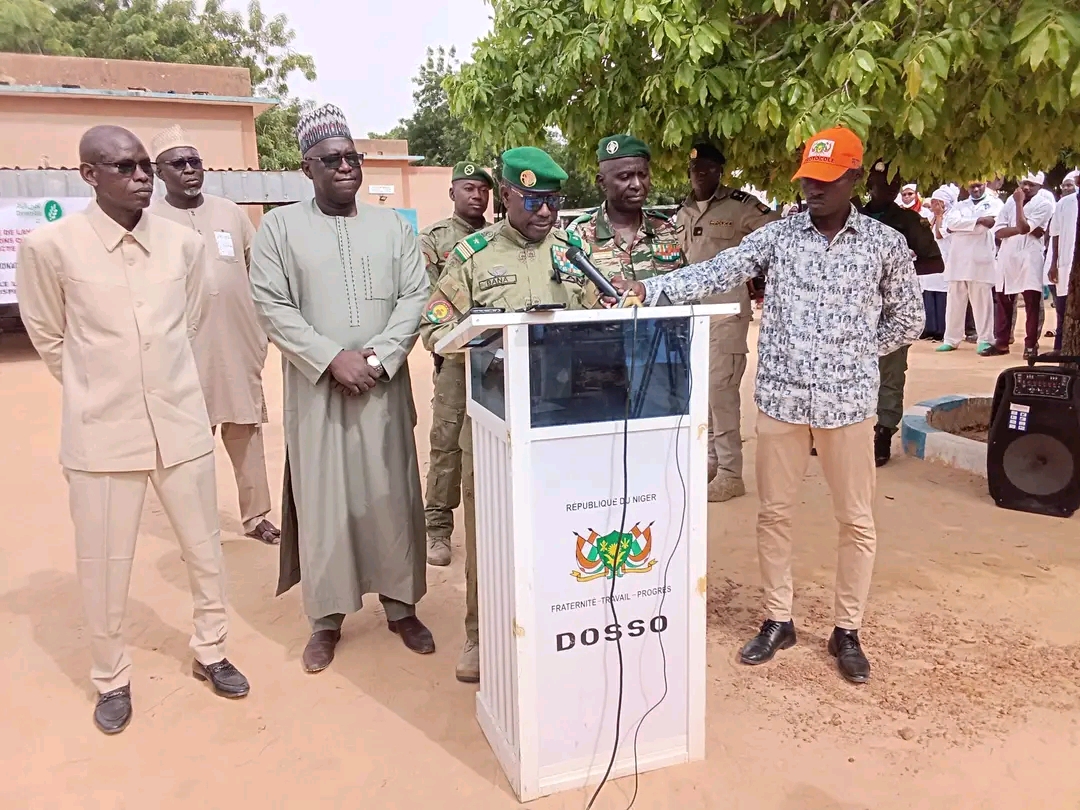
Colonel-major Bana Alhassane, Governor of the Dosso Region, officially authorized the launch of the national campaign for free cataract surgery, giving the go-ahead for its immediate implementation. His approval marked the formal commencement of the initiative, which began its operations at the Regional Hospital Center of Dosso. The Governor's endorsement signifies the regional administration's strong support for the campaign, which aims to provide critical eye care services to the local population who might otherwise lack access to such specialized medical procedures. This official sanction is a key step in mobilizing necessary resources and ensuring the smooth execution of surgical interventions planned throughout the region, reaching those in greatest need. The campaign is designed to address a significant public health need, and the Governor's direct involvement shows the importance placed on improving ocular health outcomes for residents of Dosso. The authorization enables the collaborative efforts of the involved organizations to proceed with immediate effect, bringing essential medical services directly to those in need and setting a precedent for future health interventions.
Government Support and Vision
The campaign aligns smoothly with the government's broader public health agenda, prioritizing interventions against preventable diseases. This initiative reflects a profound commitment to improving national health outcomes by addressing conditions like cataracts, which are a leading cause of avoidable blindness across the country. The campaign is a core part of the Government's priorities in public health and the fight against preventable diseases, demonstrating a proactive approach to community well-being. By integrating the free cataract surgery program into its public health priorities, the government seeks to ensure that essential medical services are accessible, particularly in regions with significant healthcare needs and limited resources. The strategic focus on preventable diseases aims to reduce the burden on public health systems and enhance the overall well-being of the population, leading to a more self-sufficient and healthy society. This approach also shows the government's vision for a healthier citizenry, where access to critical medical procedures is not a barrier to restoring sight and productivity, thereby contributing to broader socio-economic development.