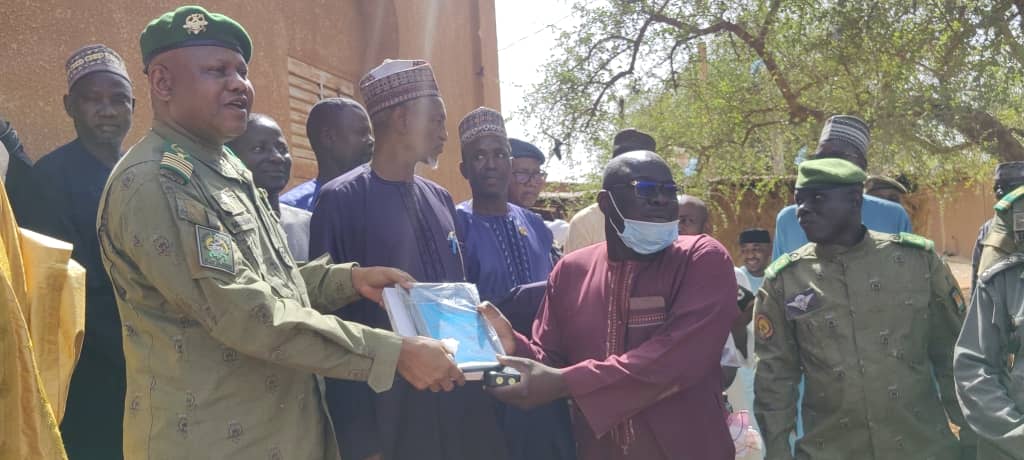
The Network of Women Local Authorities recently held an awareness meeting focused on governance challenges, marking a significant step in its ongoing efforts to strengthen local administration. This key session brought together women leaders to collectively deliberate on the intricate issues that define their roles and responsibilities within local government structures. The gathering served as a vital forum for sharing insights and developing collaborative approaches to common obstacles.
The session aimed to address pertinent issues faced by women in leadership roles at the local level, recognizing the unique challenges and opportunities that arise in these positions. Participants explored the multifaceted nature of governance, emphasizing the need for strong frameworks and practical solutions to enhance administrative efficacy. The dialogue fostered a deeper understanding of the systemic factors influencing local decision-making and service delivery.
The initiative shows the organization's commitment to empowering its members and fostering effective governance practices across various municipalities. By providing a platform for education and mutual support, the Network seeks to equip women local authorities with the tools and knowledge necessary to drive positive change. This commitment extends to ensuring that their leadership contributes meaningfully to transparent, accountable, and responsive local government.
Key Issues Discussed
The awareness meeting organized by the Network of Women Local Authorities focused on a range of governance challenges pertinent to their roles, encompassing both administrative intricacies and broader policy considerations. The discussions were structured to provide a full overview of the operational environment faced by women in local leadership. This holistic approach ensured that various dimensions of governance were explored in depth, from day-to-day operations to long-term strategic planning.
Participants engaged in discussions concerning the practicalities of local administration, including resource allocation and public service delivery, which are foundational to effective local governance. These conversations delved into the complexities of managing limited budgets and ensuring that essential services reach all segments of the community efficiently and equitably. The exchange of experiences noted innovative approaches to optimizing resource utilization and improving the quality of public services.
A significant portion of the meeting was dedicated to exploring strategies for enhancing transparency in local government operations, a critical component for building public trust and ensuring ethical conduct. Discussions focused on mechanisms to make governmental processes, decisions, and expenditures more accessible and understandable to citizens. This included examining the role of open data initiatives and clear communication channels in fostering an informed public. The discussions also covered methods for promoting accountability among elected officials and administrative staff, stressing the importance of clear performance metrics and strong oversight mechanisms. Participants considered how to instill a culture of responsibility and responsiveness within local institutions, ensuring that leaders are answerable for their actions and decisions.
The participants shared experiences and best practices related to community engagement, emphasizing the importance of inclusive decision-making processes that reflect the diverse needs of the populace. They discussed how to actively involve citizens in local planning and policy development, moving beyond mere consultation to genuine participation. This included strategies for reaching out to and incorporating the voices of all community members. They addressed common obstacles encountered in fostering citizen participation, particularly from marginalized groups who are often underrepresented in public discourse. Strategies for overcoming these barriers included targeted outreach programs and the creation of accessible forums for dialogue.
Another key area of discussion involved the development of effective policies that respond directly to local needs and priorities, ensuring that governmental actions are relevant and impactful. This entailed a thorough examination of how local governments can translate community input into actionable policies that address specific challenges. This included examining frameworks for policy formulation, implementation, and evaluation at the municipal level, focusing on best practices for designing, executing, and assessing the success of local initiatives. The participants reviewed methodologies for data-driven policy-making and continuous improvement.
The meeting provided a platform for members to deliberate on the impact of legislative frameworks on local governance, recognizing that national and regional laws significantly shape local autonomy. These discussions noted the interplay between different levels of government and the implications for local decision-making authority. Specific attention was given to understanding how national and regional laws influence the autonomy and operational capacity of local authorities, particularly concerning financial powers, planning regulations, and service mandates. Participants analyzed case studies where legislative constraints either empowered or hindered local initiatives. Discussions extended to identifying gaps in current legislation that might hinder effective governance and proposing potential advocacy points for reform, aiming to create a more supportive legal environment for local leaders. The Network also facilitated exchanges on capacity building initiatives, focusing on training and professional development opportunities for women in leadership positions within local government. These initiatives are designed to enhance the professional competencies and leadership skills of its members. This included exploring skills related to financial management, strategic planning, and conflict resolution, all of which are essential for navigating the complexities of local administration and fostering harmonious community relations.
Environmental governance emerged as another critical topic, with participants considering localized approaches to climate change adaptation and sustainable development given the urgent global environmental challenges. The discussions emphasized the role of local governments in mitigating environmental risks and promoting ecological resilience. They discussed the integration of environmental considerations into urban planning and infrastructure projects, ensuring that development is both sustainable and environmentally responsible. This included exploring green building standards, waste management strategies, and the protection of natural resources within municipal boundaries. The meeting addressed issues related to gender mainstreaming in local policies and budgets, aiming to ensure that the needs and priorities of women and girls are adequately reflected in public spending and service provision. This involved scrutinizing budget allocations and policy impacts through a gender lens to promote equitable outcomes. The session concluded with a focus on strengthening inter-municipal cooperation and networking among women local authorities to collectively address shared challenges and foster mutual support. This collaborative approach is seen as vital for leveraging collective expertise and resources to achieve common goals.
Report Findings and Statistics
The Network of Women Local Authorities did not release specific findings or statistics from the recent awareness meeting, as the primary objective was not data collection but rather collaborative engagement. The focus remained on facilitating a rich exchange of ideas and experiences among participants. The session primarily served as a platform for discussion and exchange among participants regarding governance challenges, fostering an environment of open dialogue and peer learning. This format allowed for a nuanced exploration of complex issues without the immediate pressure of generating quantifiable results.
Discussions focused on qualitative aspects of local administration, policy development, and capacity building, delving into the practical realities and subjective experiences of women in leadership. The emphasis was on understanding the intricacies of governance from the perspective of those directly involved. No quantifiable data or survey results were presented or compiled during the meeting, according to organizers, showing the event's design as a forum for interactive learning rather than a research undertaking. This decision allowed participants to speak freely and share their insights without the constraints of formal data reporting. The absence of specific metrics indicates the meeting's focus was on collaborative problem-solving and experience sharing rather than data collection or statistical reporting on the issues discussed. This approach was deliberate, prioritizing the depth of discussion and the development of shared strategies over numerical analysis.
Strategies for Advancement
Participants at the Network of Women Local Authorities meeting explored several strategic avenues for improving governance and empowering women in leadership roles, reflecting a proactive stance towards overcoming identified challenges. These strategies were developed through collective brainstorming and drawing upon the diverse experiences of the attendees. The discussions aimed to translate shared concerns into actionable plans for future implementation.
Discussions centered on enhancing the practical implementation of local administration, particularly concerning the judicious allocation of resources and the efficient delivery of public services, which are critical for effective governance. Participants examined various models and best practices for optimizing administrative processes to maximize impact and reach. A key strategy identified was the promotion of greater transparency within local government operations, aiming to build public trust and accountability by making governmental actions more visible and understandable. This involved examining mechanisms to ensure elected officials and administrative staff maintain high standards of responsibility, including ethical guidelines and performance monitoring.
Another critical area of focus involved strengthening community engagement through inclusive decision-making processes, recognizing that broad participation leads to more strong and representative outcomes. Attendees discussed strategies to overcome obstacles to citizen participation, paying particular attention to involving marginalized groups who often face systemic barriers to involvement. This included developing targeted outreach programs and creating accessible platforms for dialogue. Developing and implementing effective policies that are responsive to local needs and priorities was also noted as a key advancement strategy, ensuring that governmental actions directly address community concerns. This included formulating strong frameworks for policy creation, execution, and evaluation at the municipal level, emphasizing adaptability and continuous improvement.
The Network also addressed strategies for navigating and influencing legislative frameworks, acknowledging their profound impact on local governance. Participants sought to understand how national and regional laws impact the autonomy and operational capacity of local authorities, aiming to identify legislative gaps and advocate for reforms that would empower local governments. This involved developing advocacy plans and building alliances to promote necessary legislative changes. Capacity building initiatives were emphasized as fundamental for professional development, focusing on training in financial management, strategic planning, and conflict resolution for women in local government leadership. These programs are designed to equip leaders with the essential skills needed to excel in their demanding roles. Finally, integrating environmental considerations into urban planning and infrastructure projects, along with gender mainstreaming in local policies and budgets, were identified as vital strategies for sustainable and equitable development. These approaches ensure that development is both ecologically sound and socially just. The meeting showed the importance of inter-municipal cooperation and networking as a collective strategy to address shared governance challenges, fostering a spirit of collaboration and mutual support among women leaders.
Call to Action and Future Steps
The Network of Women Local Authorities concluded its awareness meeting with a commitment to several key actions for its members and the organization, translating the insights gained into a clear roadmap for future endeavors. This forward-looking approach ensures that the discussions will lead to tangible improvements in local governance and women's leadership. The commitments reflect a dedication to sustained effort and strategic intervention.
Participants agreed to prioritize advocacy efforts aimed at addressing identified legislative gaps impacting local governance and women's leadership, recognizing that legal frameworks are key enablers or inhibitors of progress. These efforts will focus on influencing policy-makers to create a more supportive environment for local authorities. Future steps include developing detailed proposals for policy reforms to enhance the autonomy and operational capacity of local authorities, providing concrete recommendations for legislative changes. These proposals will be grounded in the practical experiences shared during the meeting.
The organization plans to expand its capacity-building initiatives, focusing on specialized training programs in financial management, strategic planning, and conflict resolution tailored for women in local government positions. These programs are designed to address specific skill gaps and enhance professional competence. These programs are intended to strengthen the practical skills of members in their roles, enabling them to navigate complex administrative and political landscapes more effectively. The Network emphasized the importance of fostering inter-municipal cooperation and networking as a mechanism for shared learning and collective problem-solving, leveraging the power of collaboration. This includes establishing regular forums for exchange and collaboration among women local authorities to collectively address common challenges and advance effective governance practices, creating a strong support system for its members.