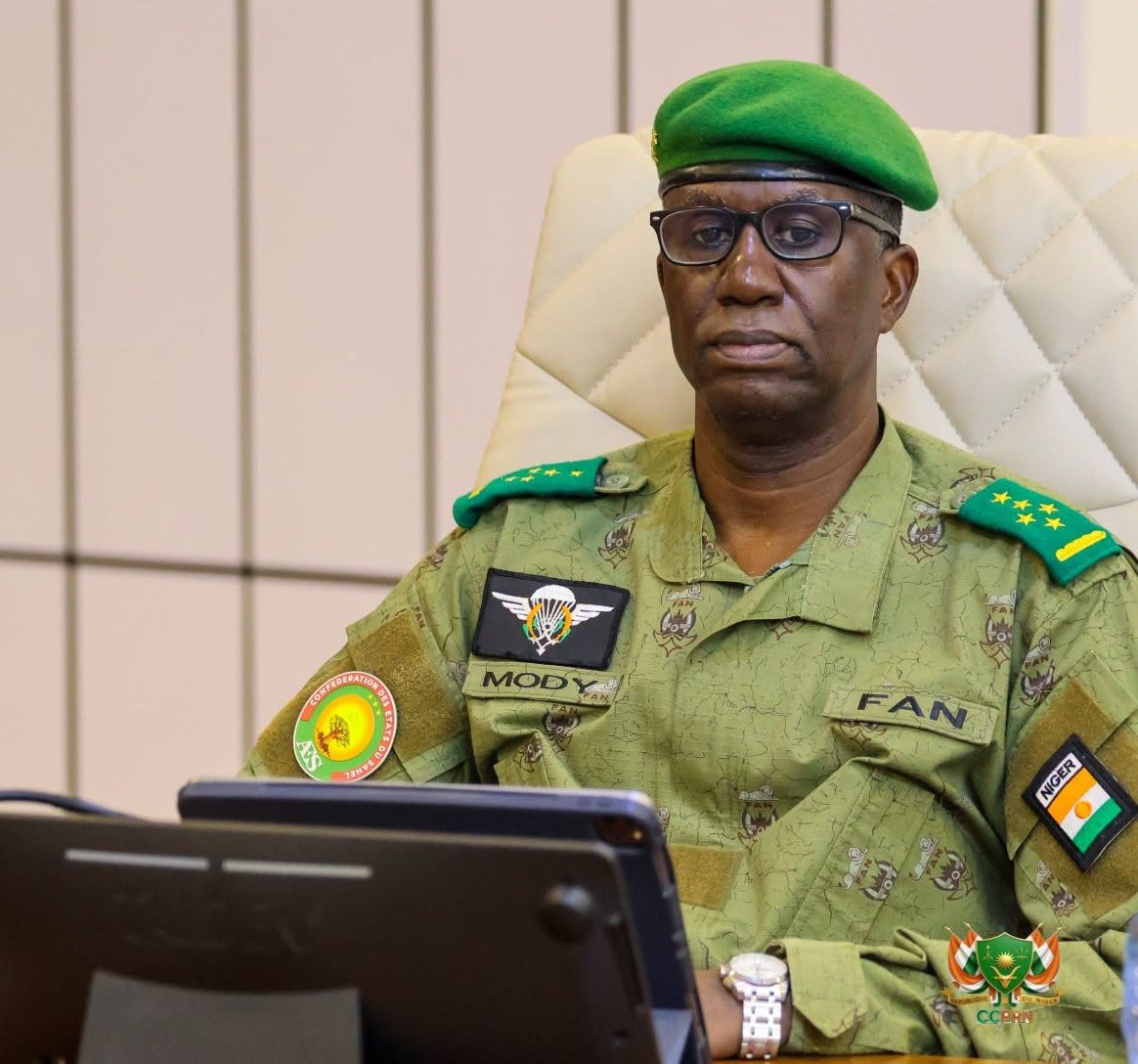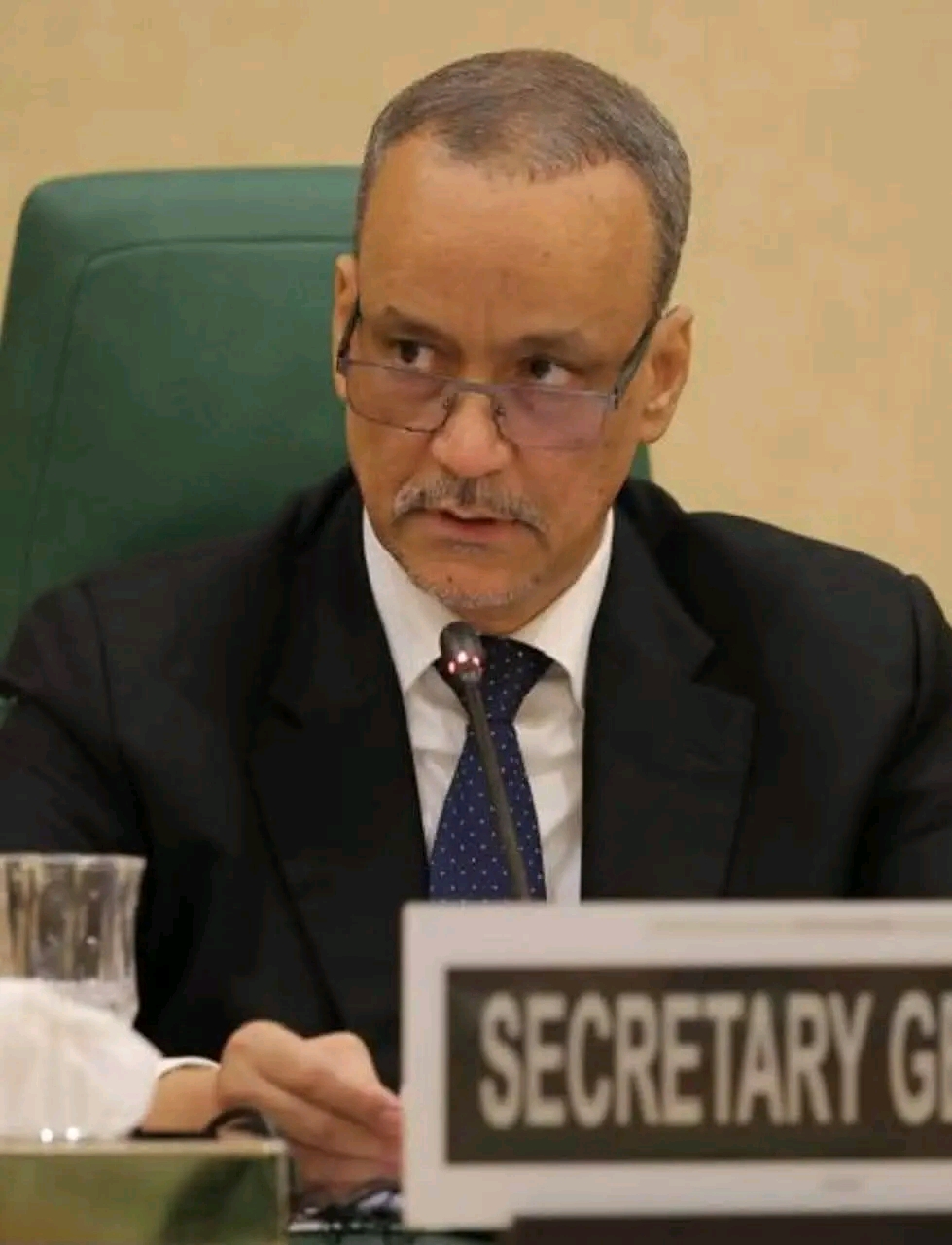
The new Secretary-General of the Organization of Islamic Cooperation (OIC) officially assumed office at the institution's headquarters on Saturday, August 29, 2026. This significant transition marks a key moment for the intergovernmental organization, which represents 57 member states across four continents. The OIC, the second-largest intergovernmental organization after the United Nations, serves as the collective voice of the Muslim world, working to safeguard and protect the interests of the Muslim world in the spirit of promoting international peace and harmony. The new leader is expected to set the agenda and direction for the OIC's diplomatic, economic, social, and cultural initiatives in the coming period, addressing a wide array of global challenges and opportunities. This assumption of duties initiates a new phase of leadership for the OIC, headquartered in Jeddah, Saudi Arabia. The event signifies the formal commencement of the Secretary-General's tenure, drawing attention to the organization's future strategic direction and operational efficiency.
Institutional Effectiveness Focus
The new Secretary-General is prioritizing the strengthening of institutional effectiveness within the Organization of Islamic Cooperation. This focus was immediately evident as the Secretary-General held several internal meetings shortly after taking office, signaling a hands-on approach to leadership from day one. These initial engagements led to the immediate commencement of a direct and in-depth review of work progress across the organization's various sectors, encompassing all departments and specialized bodies.
The full review also encompasses an examination of the most important files and priority issues facing the OIC, headquartered in Jeddah, Saudi Arabia, reflecting a commitment to tackling pressing concerns. Its primary aim is to assess the current state of institutional effectiveness, identifying strengths and areas for improvement across the entire organizational structure. The Secretary-General intends for this careful process to define concrete priorities for the organization's next phase, laying a clear roadmap for future actions and strategic initiatives. This deliberate approach to operational improvements and strategic direction is designed to enhance the OIC's capacity to deliver on its mandate effectively.
Key Leadership Appointments
In a decisive move to shape the organization's future, the Secretary-General has made his first decisions regarding appointments to several key leadership positions within the General Secretariat. These appointments include the Director General of the Cabinet, the Advisor to the Secretary-General, and the Director General of Administrative and Financial Affairs. These initial appointments are a key part of the new Secretary-General's overarching strategy to strengthen institutional effectiveness and ensure strong leadership across critical functions. The appointments come as the Secretary-General launches an in-depth review of work progress across various sectors of the Organization of Islamic Cooperation, showing a commitment to a thorough operational assessment. This review is also examining the organization's most important files and priority issues, ensuring that new leadership is aligned with strategic objectives. The appointments are expected to contribute significantly to the OIC's operational improvements and strategic direction, bringing fresh perspectives and renewed vigor to the organization's efforts.
Staff Engagement and Vision
The Secretary-General is scheduled to hold an in-depth meeting with officials and staff of the General Secretariat, demonstrating a commitment to inclusive leadership. The planned engagement aims to foster direct communication with employees, allowing the Secretary-General to listen attentively to their opinions and suggestions regarding the organization's operations and future. During this important meeting, staff will also be informed of the new orientations and priorities that will guide the Secretariat's future work, ensuring transparency and shared understanding of the strategic vision.
The overall goal of these initiatives is to strengthen team spirit across the organization, cultivating a collaborative and unified working environment. Additionally, the Secretary-General seeks to consolidate a culture emphasizing performance, success, and responsibility among staff, encouraging accountability and excellence at all levels. This full effort is intended to prepare the Organization of Islamic Cooperation to play its role more effectively and influentially on the international stage, enhancing its global standing and impact.