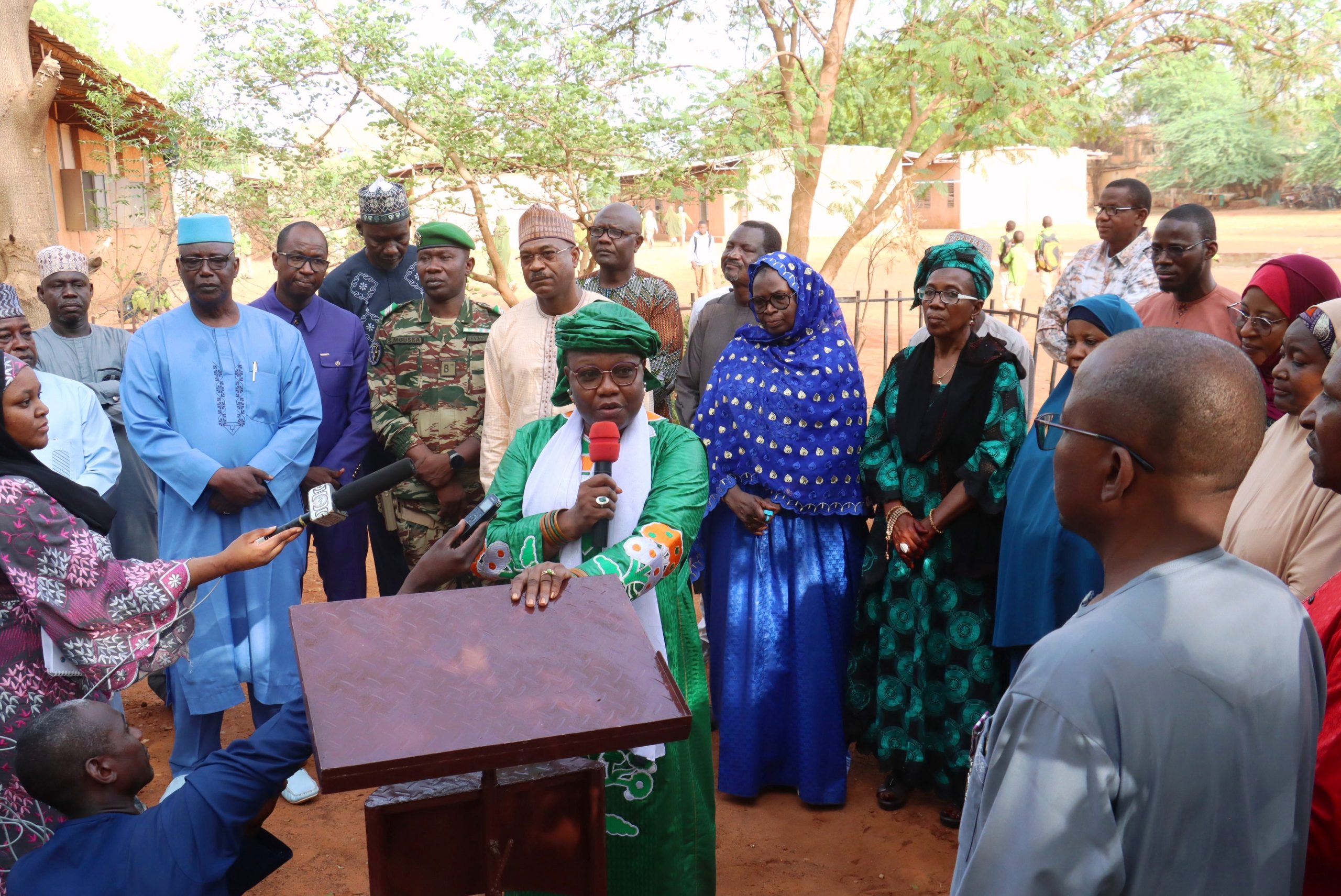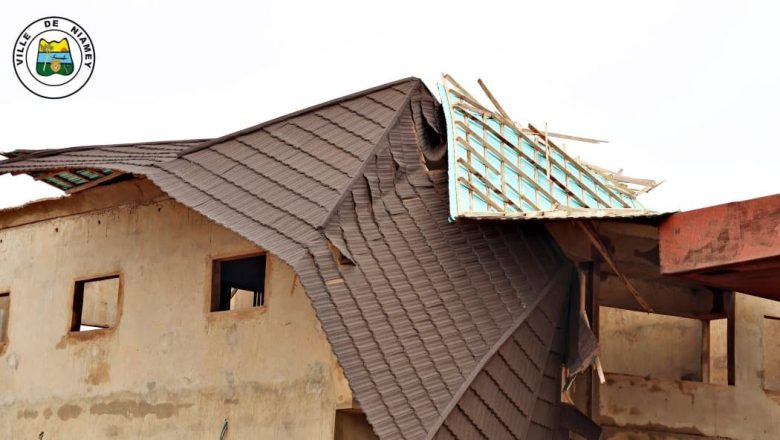
Niamey’s Administrator Delegate, Colonel Boubacar Soumana Garanké, inspected several affected sectors in the capital following the first significant rain of the season. The inspection aimed to assess damage and launch an emergency evaluation after the rainfall revealed infrastructure fragilities across the city. Colonel Garanké toured various sites impacted by the downpour to understand the extent of the damage. This initial assessment will inform immediate response measures and lay the groundwork for future preventative actions. The first significant rain of the season in Niamey noted the urgent need for full urban planning and maintenance.
Inspection Reveals Infrastructure Weaknesses
Colonel Boubacar Soumana Garanké conducted the inspection accompanied by technical teams. The group surveyed neighborhoods experiencing waterlogged streets, blocked gutters, and malfunctioning rainwater evacuation systems. This assessment included areas in Niamey where the first rains noted deficiencies in urban infrastructure. The visit facilitated a preliminary mapping of vulnerable areas within the city, allowing authorities to identify immediate intervention priorities. The technical teams provided on-site analysis to inform the administrator's assessment of the damage. Their presence was key for evaluating the specific challenges posed by the recent rainfall, offering expert insights into the structural issues and potential solutions. The full nature of the inspection, covering multiple critical points, showed the administration's commitment to a thorough understanding of the problem.
Municipal Services Mobilize for Response
Municipal services are currently evaluating critical points for immediate dredging operations. These efforts include checking sanitation and evacuation systems thoroughly and reinforcing monitoring activities in high-risk flood zones across Niamey. The city has identified its weak points following the initial rains and aims to translate these findings into concrete actions. This proactive approach seeks to protect the population during a potentially wetter-than-usual season. Niamey's city hall assures the public that it will remain mobilized throughout the entire rainy season. This sustained mobilization is intended to ensure people's safety, limit potential material damage, and improve living conditions for residents. The evaluation of critical points for dredging is a key step in preventing future blockages and ensuring the efficient flow of rainwater. By reinforcing monitoring activities, authorities aim to provide timely responses to emerging flood risks, safeguarding both property and lives. This commitment to continuous action reflects a strategic effort to enhance urban resilience against seasonal weather challenges.
Call for Civic Responsibility and Safety
The municipality is calling for civic responsibility from residents regarding waste management. Officials urged citizens not to dispose of trash in gutters, to actively clear drainage paths around their properties, and to promptly report any blockages observed in the city's water evacuation systems. This appeal aims to mitigate the impact of future rainfall and ensure the effective functioning of urban infrastructure. The collective effort of residents is considered vital for maintaining an efficient drainage network and reducing the severity of flooding incidents.
In situations involving localized flooding, the city recommends that residents evacuate low-lying areas to safer ground. Citizens are advised to avoid all contact with stagnant water due to potential health hazards and the risk of electrical shock. The municipality encourages the public to contact municipal services immediately to report flood incidents or request assistance, ensuring a coordinated response to critical situations. This guidance is part of a broader strategy to educate the public on safety protocols during the rainy season. By emphasizing both preventative measures and immediate response actions, the city seeks to foster a community-wide approach to flood management.