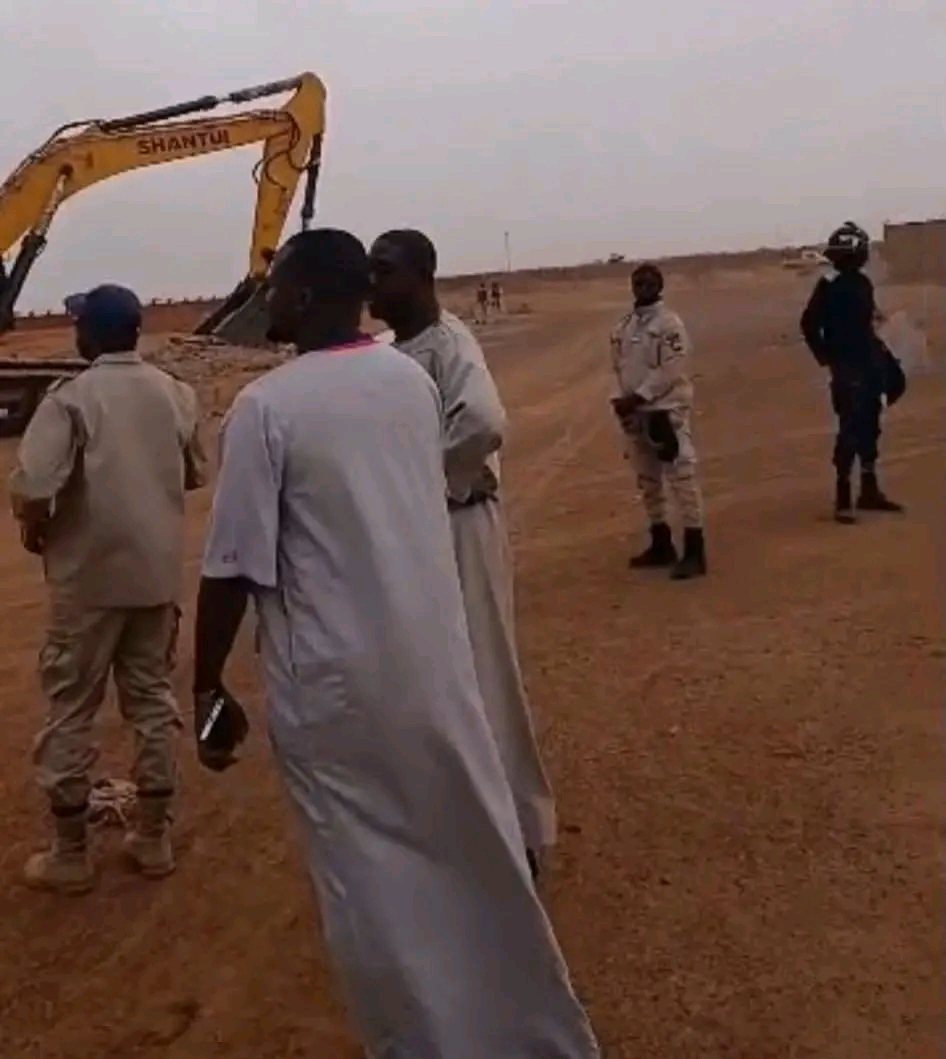
Niamey authorities have initiated the city's first eviction operation targeting vacant properties, a move aimed at reclaiming unoccupied residential spaces. This significant urban planning initiative marks a proactive step by the municipal government to address land utilization challenges within the capital. The operation commenced with the identification of 290 uninhabited houses slated for potential requisition, signaling the scope and immediate focus of this new policy. This initiative marks a new phase in urban management for the capital, focusing intently on properties that have remained vacant within the city limits for extended periods. It represents a deliberate effort to optimize the use of urban land and ensure that valuable space contributes to the city's development.
Scope of the Evictions
The scope of the current eviction operation in Niamey extends primarily to properties identified as "parcelles clôturées et vides," which translates to fenced and empty plots. These properties specifically represent undeveloped land parcels that have been enclosed but remain vacant within the city's boundaries, often for considerable durations. The authorities' focus on such parcels indicates an effort to address underutilized land resources across the capital, aiming to free up space that is currently enclosed but not actively developed or inhabited. This initiative aims to transform these dormant plots into assets for urban development. The identification of these specific types of properties suggests a targeted approach to urban land management, concentrating on areas that could potentially be repurposed for development or public use, such as housing projects, public infrastructure, or commercial spaces. The operation is part of a broader strategy to manage urban expansion and resource allocation within Niamey, ensuring that enclosed but empty plots contribute to the city's planned growth and development, rather than lying fallow.
Context and Rationale
The ongoing operation represents Niamey's first "déguerpissement" or eviction initiative, targeting properties that are fenced off but remain undeveloped. This action follows a period where a significant number of properties within the city have been identified as vacant, contributing to urban sprawl without providing residential or commercial utility. Authorities have emphasized the necessity of reclaiming these underutilized spaces to address the city's pressing housing and development needs, which are critical for a growing urban center. The government's rationale is rooted in optimizing urban land use and ensuring that all available plots contribute effectively to the capital's growth and the well-being of its residents. This initial phase focuses specifically on properties that are enclosed but completely empty, carefully distinguishing them from occupied residences or actively used commercial plots, thereby minimizing disruption to active communities. The move is intended to set a key precedent for managing urban land resources more effectively within Niamey's expanding metropolitan area, promoting responsible land ownership and development. The administration views this as a critical step toward planned urban development, aiming to reallocate land for projects that benefit the wider community and support the city's infrastructure requirements, fostering sustainable growth. The operation shows a strategic shift towards more assertive urban planning to combat the proliferation of unused land parcels in key areas, transforming them into productive components of the urban fabric.
Future Implications
The initial operation targeting fenced but empty plots in Niamey is expected to set a significant precedent for future urban planning and land management policies across the city. Authorities may expand these efforts to address other categories of underutilized land as the city continues its rapid development and faces increasing demands for space. The success and public reception of this first phase will likely influence the scope and scale of subsequent initiatives, potentially leading to more full urban land reforms. This move could also encourage property owners to develop their plots more promptly to avoid potential government intervention, thereby stimulating private investment in urban development. The long-term implications for Niamey's urban landscape include a more structured approach to growth and a potential increase in available land for essential housing and critical infrastructure projects, contributing to a more organized and functional capital city.