Niger's government is prioritizing the acceleration of transport infrastructure development, stating its aim to enhance the nation's capacity to design, execute, control, and maintain its own infrastructure. This strategic focus is designed to bolster national control and economic sovereignty, forming a cornerstone of the nation's long-term development agenda. The transport sector is identified as a key component of Axis 3 within the Program for the Refoundation of the Republic (PRR). This axis specifically targets the development of production bases, which are considered key for achieving economic sovereignty and fostering sustainable economic growth. The initiative shows a concentrated effort by Niger to strengthen its self-reliance in critical infrastructure areas, moving towards greater independence in its development trajectory.
Road Network Expansion Underway
Niger has made significant strides in expanding and improving its road network, key for internal connectivity and regional trade. Approximately 474.52 kilometers of rural roads have been completed and officially received, directly benefiting local communities and facilitating access to markets and services. This expansion of the rural road network is vital for integrating remote areas into the national economy. Additionally, a 45-meter linear beam bridge and a culvert have been finalized on the RN1W, specifically along the Niamey-Tillabéri axis. These structures enhance the resilience and capacity of this important national route, ensuring smoother and safer passage for commuters and commercial traffic between the capital and the Tillabéri region.
Further road works are currently in progress, demonstrating a continuous commitment to infrastructure enhancement. This includes the rehabilitation and asphalting of the RN4, connecting Farié and Téra, which spans 112 kilometers. This project is expected to significantly improve travel conditions and reduce transit times along this critical corridor. A significant project, the Arlit-Assamaka road, involves a 100-kilometer segment designated as lot 2. This particular road project, which aims to facilitate trade and movement in the northern regions, is scheduled for completion by December 2026. Its timely delivery is anticipated to boost regional economic activities.
Efforts are also concentrated on the Agadez-Zinder trans-Saharan corridor, a route that measures 425 kilometers in length. This corridor is strategically important for connecting Niger to neighboring countries and facilitating trans-African trade. Within the current phase of this corridor's development, 174 kilometers have been delivered out of a planned 225 kilometers, indicating steady progress towards its full operationalization. These projects collectively contribute to Niger's broader strategy of enhancing its national transport infrastructure, promoting economic integration, and improving the daily lives of its citizens through better accessibility.
Railway Projects Connect Regions
Niger is advancing several railway initiatives aimed at enhancing connectivity across its regions and fostering economic development. The In Guezzam-Agadez railway project spans 450 kilometers, contributing significantly to the expansion of the nation's nascent rail network. This line is expected to facilitate the transport of goods, particularly mineral resources, from the Agadez region. Another significant development is the Niamey-Dosso-Konni-Maradi railway line, which covers a substantial route length of 656.22 kilometers. This extensive domestic railway system is designed to link key economic hubs within the country, improving the efficiency of freight and passenger movement and supporting agricultural and industrial sectors. These domestic projects are central to the government's strategy for improving internal transport links and facilitating economic activity within the country.
Cross-border railway integration is also underway, with significant progress reported on the link with Nigeria. This international connection is poised to open new avenues for trade and regional cooperation. The first phase of this railway connection is 80% complete, indicating that a substantial portion of the work has been accomplished. This particular segment of the railway is fully financed by Nigeria, noting a strong spirit of regional cooperation in infrastructure development and a shared vision for enhanced connectivity between the two nations. The completion of these railway lines, both domestic and international, is expected to support the movement of goods and people, reinforcing Niger's broader objectives of national control and economic sovereignty through improved, integrated infrastructure. These rail networks are envisioned as catalysts for economic diversification and regional stability.
Strategic Development and Maintenance
Beyond construction, Niger is also focusing on the long-term sustainability and maintenance of its transport infrastructure. The Road Maintenance Fund program encompasses 79 posts across Niger, aiming to enhance the nation's infrastructure upkeep and ensure the longevity of its road assets. This full program is critical for protecting investments in road construction and ensuring continued serviceability. Sorey and Konni are currently serving as pilot sites for this program, demonstrating an execution level of 57%. The experience gained from these pilot sites will inform the broader implementation of maintenance strategies across the country, optimizing resource allocation and operational efficiency.
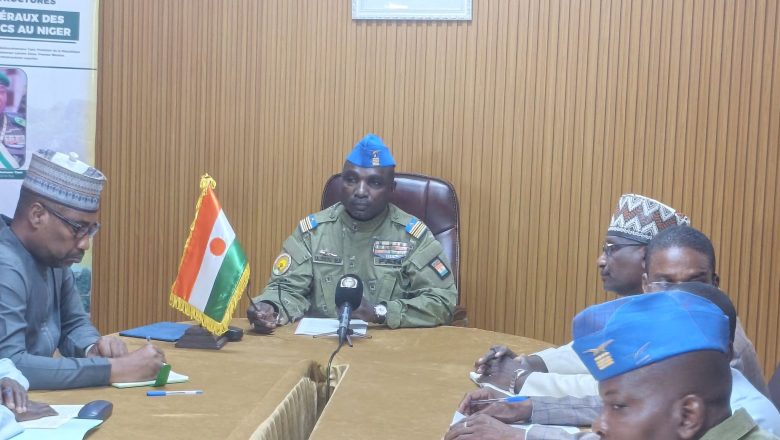
In efforts to advance public works strategies, the States General of Public Works were organized in Niamey in May 2026. This significant gathering brought together stakeholders to focus on broader strategic development for the sector, addressing challenges and outlining future directions for infrastructure growth. Concurrently, memorandums were signed on March 24, 2026, between Nigerien and Algerian technical institutions. These agreements are expected to foster cooperation and knowledge exchange in infrastructure development and maintenance between the two nations, leveraging shared expertise and best practices. The initiatives collectively show Niger's commitment to strengthening its transport infrastructure through strategic planning, strong maintenance programs, and beneficial bilateral partnerships, all contributing to its overarching goal of national control and economic self-sufficiency.