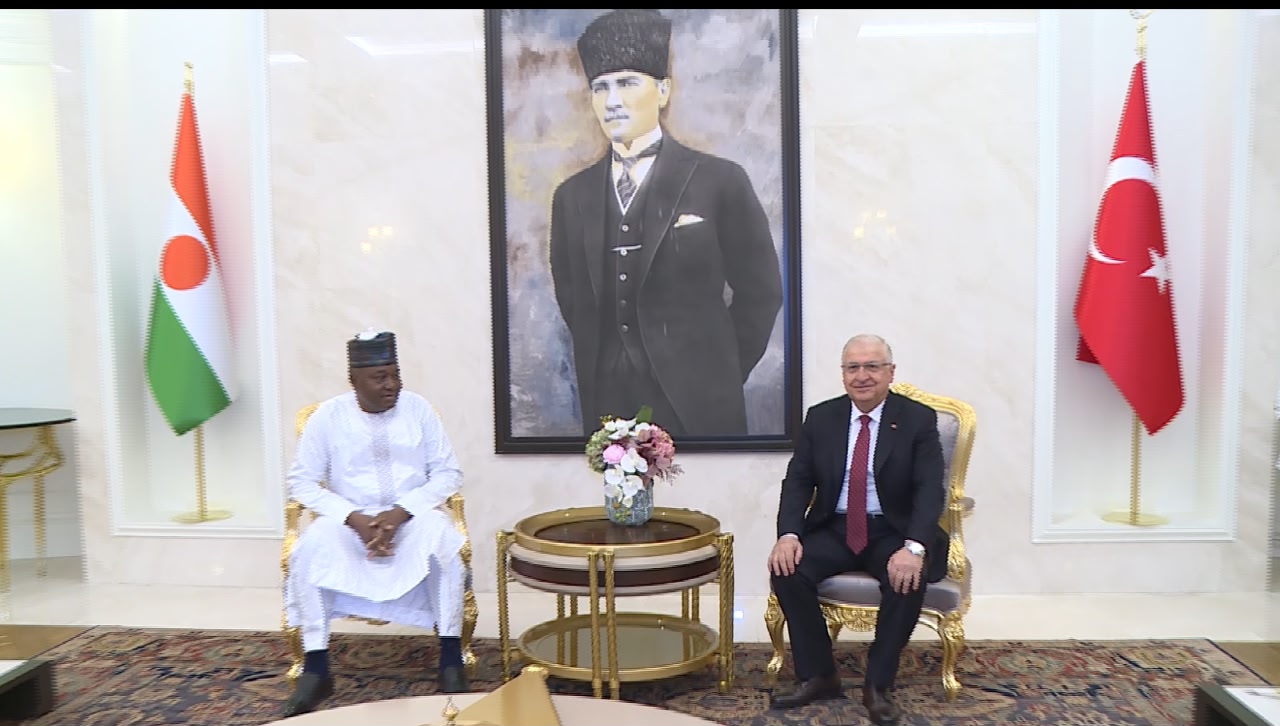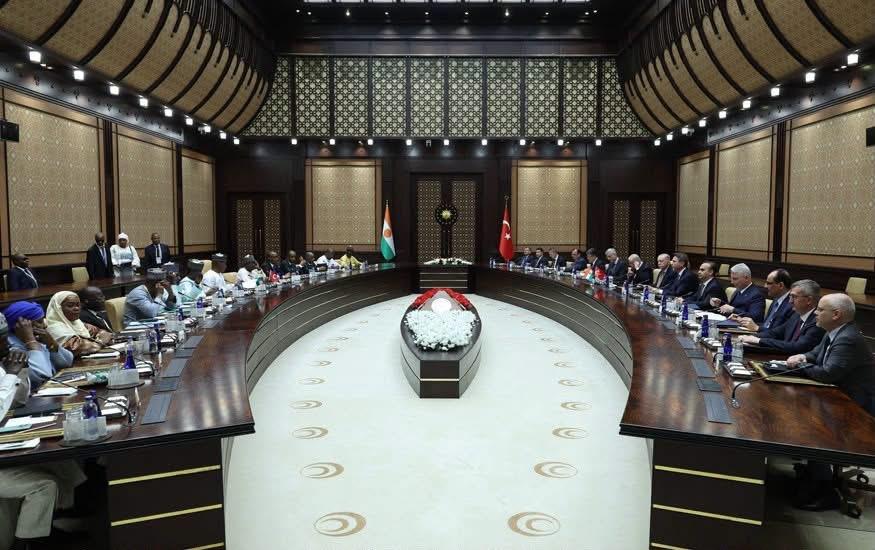
The Republic of Niger and the Republic of Türkiye signed multiple cooperation agreements on June 4, 2026, in Ankara, formalizing closer ties between the two nations. This significant diplomatic event marks a new chapter in the relationship between the two countries, aiming to foster mutual growth and partnership. The agreements were concluded following a series of high-level discussions held between Niger's President and his Turkish counterpart, Recep Tayyip Erdogan. These extensive deliberations between the leaders of Niger and Türkiye were instrumental in shaping the full nature of the accords. The leaders' meetings culminated in the signing ceremony, showing a mutual commitment to enhanced bilateral collaboration across various sectors and paving the way for concrete joint initiatives.
Key Areas of Accord
The newly signed agreements between Niger and Türkiye address several key sectors, including higher education, trade, health, and diplomacy. These accords aim to foster deeper collaboration and mutual development across these critical areas, reflecting a broad scope of partnership. Niger and Türkiye have outlined specific frameworks within each sector to facilitate exchanges and joint initiatives, ensuring practical implementation of the agreements. In higher education, the pacts are expected to promote academic cooperation and student mobility, encouraging knowledge transfer and cultural exchange. This includes provisions for joint research programs, faculty exchanges, and scholarship opportunities for students from both nations. The trade agreements are designed to enhance economic ties and boost bilateral commerce between the two countries, potentially leading to increased investment and market access. The health sector will see joint efforts in medical training and infrastructure development, aiming to improve healthcare services and capacity in Niger. Diplomatic cooperation will be strengthened through regular consultations and coordinated foreign policy approaches, fostering a more unified stance on international issues.
Diplomatic Exchange
The cooperation agreements were formally signed during the official visit of Niger's President, General Abdourahamane Tiani, to Ankara. This visit by General Tiani marked a significant diplomatic engagement between the two nations, providing the impetus for solidifying bilateral relations across various sectors. The presence of such a high-ranking official showed the importance both countries place on this burgeoning partnership. The visit facilitated high-level discussions that culminated in the signing ceremony, showing a mutual commitment to enhanced collaboration and strategic alignment. This diplomatic exchange provided a key platform for leaders to address shared interests and strategic objectives, leading to concrete frameworks for future partnership and strong cooperation. The agreements are expected to deepen the diplomatic ties between Niger and Türkiye, fostering a more strong relationship on the international stage and contributing to regional stability.
Future Cooperation Framework
In the field of higher education, Niger and Türkiye formalized a significant step towards future collaboration. The two nations exchanged the 2026-2030 application protocol for the existing memorandum of understanding on university cooperation. This exchange solidifies the framework for academic partnership over the next five years, indicating a commitment to sustained cooperation in educational development and innovation. The protocol's establishment aims to facilitate continued collaboration between universities, promote student and faculty exchanges, and enhance joint research initiatives that address contemporary challenges. This structured approach to higher education cooperation is expected to foster deeper academic ties and contribute significantly to capacity building in both countries, nurturing future generations of professionals and researchers. The agreement reflects a mutual desire to strengthen educational systems and create opportunities for shared learning experiences, aligning with the broader goals of enhanced bilateral relations and long-term strategic partnership. This full approach to cooperation in education is anticipated to yield substantial benefits for both nations.