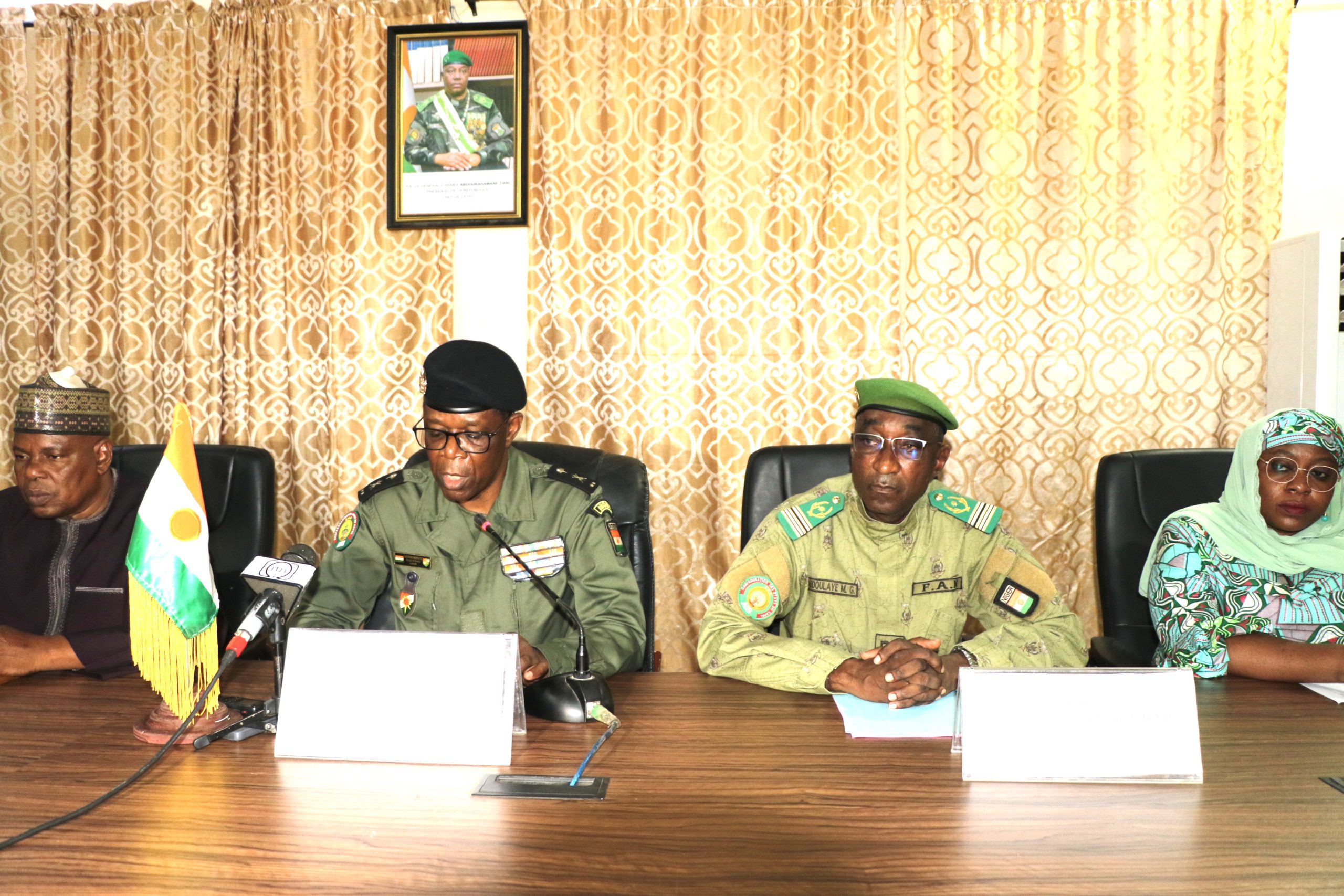
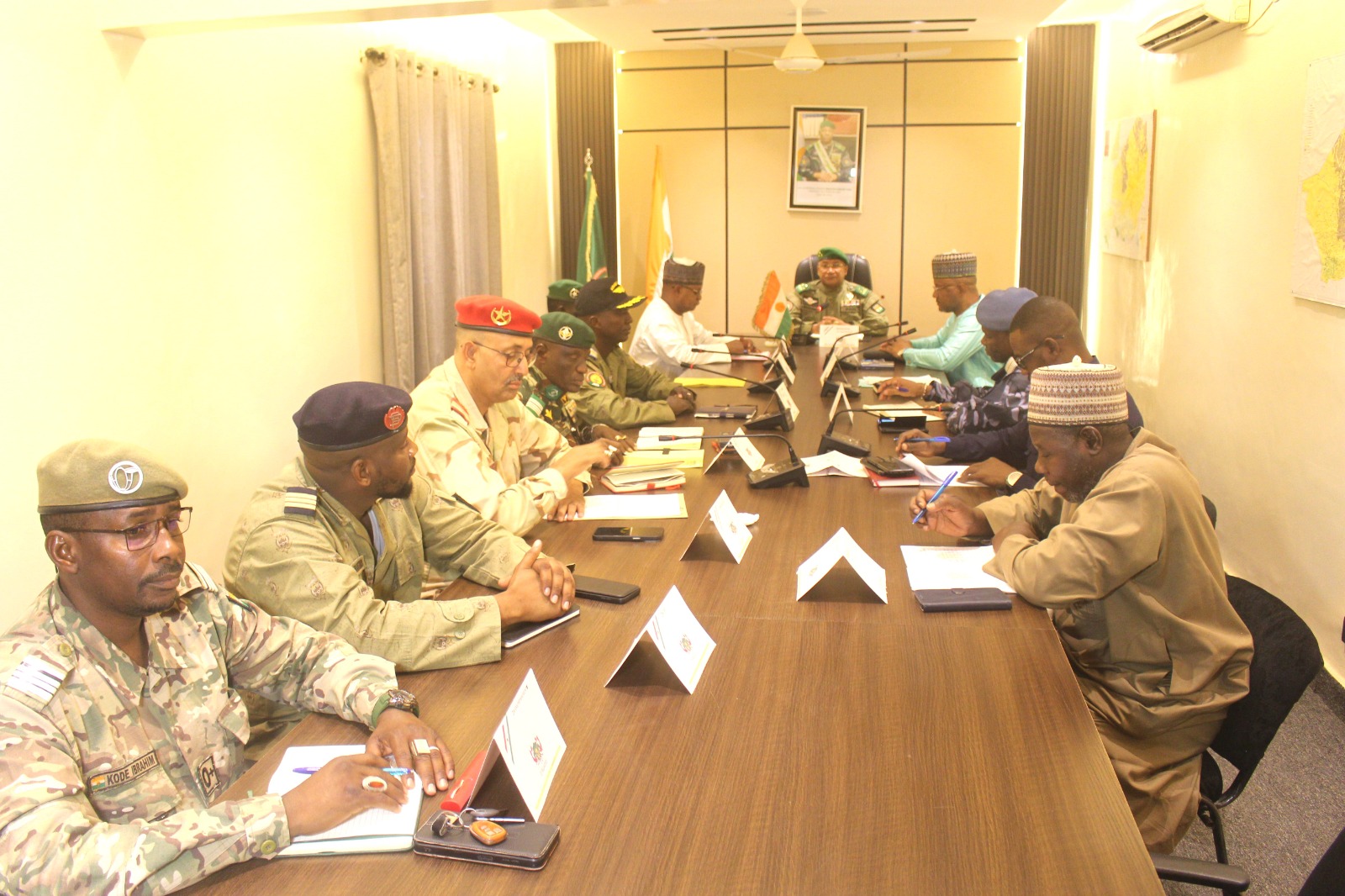
The final report of the updated feasibility study for the Trans-Saharan Gas Pipeline was validated in Algiers. This significant event confirms the completion of a key stage in the project's development, moving it closer to potential implementation. The validation marks a significant step forward for the ambitious energy project, which aims to transport natural gas from Nigeria to Algeria and onward to Europe. The study's conclusion in Algiers signals the ongoing commitment of the involved parties to assess the pipeline's technical, economic, and environmental viability. This development advances the detailed planning phase for the proposed gas infrastructure initiative, showing the determination to explore new avenues for energy supply and regional cooperation. The validation process ensures that all critical aspects of the project have been thoroughly reviewed and deemed satisfactory for progression.
Project Details and Scope
The Trans-Saharan Gas Pipeline (TSGP) project envisions a major energy conduit stretching approximately 4,128 kilometers from Nigeria to Algeria, ultimately connecting to European markets. This extensive infrastructure project is designed to create a direct and efficient pathway for natural gas exports. The pipeline's proposed route would traverse several countries in West Africa and the Sahel region, including Niger, before reaching Algeria's Mediterranean coast. This geographical span notes the complex logistical and diplomatic considerations involved in its construction. Its primary objective is to facilitate the export of Nigerian natural gas, primarily from the country's Niger Delta region, to international consumers. The project is designed to have an annual capacity of up to 30 billion cubic meters of natural gas. This substantial capacity would position the TSGP as a major contributor to global energy supply, particularly for European demand.
The scope of the TSGP encompasses not only the construction of the pipeline itself but also associated infrastructure. This includes compressor stations, essential for maintaining gas pressure over long distances, metering stations, key for monitoring flow and ensuring accurate accounting, and various ancillary facilities necessary for the pipeline's operation and maintenance. These supporting structures are integral to the efficient and safe functioning of the entire system. The project aims to provide an alternative supply route for natural gas to Europe, diversifying the continent's energy sources. This diversification is a key strategic goal, enhancing energy security for recipient nations. Beyond its primary export function, the pipeline is also projected to foster regional energy integration by potentially supplying gas to countries along its route. This aspect could stimulate economic development and improve energy access within the West African and Sahel regions.
The Trans-Saharan Gas Pipeline's development has involved collaboration between key stakeholders from the participating nations. This cooperative framework is fundamental to overcoming the multi-faceted challenges of such a large-scale international undertaking. The initial phases of planning and conceptualization have focused on assessing the technical challenges of constructing such a long-distance pipeline through diverse terrains, including desert environments. Addressing these engineering complexities is critical to ensuring the pipeline's structural integrity and operational reliability. Economic feasibility studies have also been critical, evaluating the project's financial viability, potential revenue streams, and investment requirements. These studies provide the financial blueprint and justification for the significant capital expenditure involved. Environmental impact assessments form another core component of the project's scope, addressing concerns related to biodiversity, land use, and potential emissions. These assessments are vital for ensuring the project adheres to international environmental standards and mitigates its ecological footprint. The recent validation of the updated feasibility study in Algiers indicates progress in these detailed evaluations, moving the project closer to potential implementation phases. This validation provides a full overview of the project's readiness for further development. The pipeline is expected to play a significant role in the energy strategies of the involved African nations, enhancing their capacity to monetize natural gas reserves and contribute to global energy supply. This strategic importance shows the long-term vision behind the TSGP.
Economic and Geopolitical Context
The Trans-Saharan Gas Pipeline (TSGP) project, with its updated feasibility study validated in Algiers, is positioned within a complex economic and geopolitical landscape that shows its potential significance for regional and international energy markets. The validation reaffirms the project's relevance in a dynamic global energy environment. The pipeline, envisioned to transport natural gas from Nigeria to Algeria and then to Europe, offers a strategic alternative for European energy supplies, particularly in a period marked by shifting global energy dynamics. This alternative route could significantly alter existing energy trade patterns. Nigeria, with its substantial natural gas reserves, primarily located in the Niger Delta region, seeks to leverage this infrastructure to expand its export capabilities and diversify its revenue streams beyond crude oil. The monetisation of these gas reserves is a key economic driver for Nigeria, aiming to attract foreign investment and stimulate domestic economic growth. This strategy is key for sustainable economic development in the country.
For Algeria, the project represents an opportunity to reinforce its role as a major energy transit hub. Its established infrastructure and geographical position make it a natural gateway for African gas to Europe. As an existing gas exporter to Europe, Algeria's infrastructure would be integral to the TSGP's functionality, facilitating the onward transmission of Nigerian gas through its existing pipeline network to the European continent. This integration maximizes efficiency and leverages existing assets. This enhances Algeria's strategic importance in the global energy supply chain and could potentially lead to increased revenues from transit fees and expanded energy partnerships. Such an outcome would solidify Algeria's position as a reliable and influential energy partner. The project also aligns with Algeria's broader energy strategy to maintain and grow its influence in supplying natural gas to European markets. This long-term vision supports its national economic interests and international standing.
The European Union, a primary target market for the TSGP, continues to seek diversification of its energy sources to enhance energy security and reduce reliance on single suppliers. The pipeline offers a tangible solution to this strategic imperative. The pipeline, with its projected annual capacity of up to 30 billion cubic meters, could provide a substantial new source of natural gas, contributing to Europe's long-term energy strategy. This volume is significant enough to impact European energy balances. This diversification is seen as key for insulating European economies from geopolitical volatilities affecting other supply routes. Reducing dependency on a limited number of sources is a cornerstone of modern energy policy. The pipeline's route through Niger also brings a regional dimension, potentially offering energy access and economic benefits to countries along its path, fostering regional energy integration and development. This broader impact extends the project's benefits beyond just the primary exporting and transit nations.
However, the geopolitical context also presents challenges, including security concerns in the Sahel region, which the pipeline would traverse. The instability in parts of this region requires careful consideration and strong security measures. The stability of the regions along the pipeline's 4,128-kilometer route is a critical factor influencing investor confidence and project viability. Addressing these security challenges will be critical for attracting and retaining investment. The global transition towards cleaner energy sources and the increasing focus on decarbonization present a long-term consideration for fossil fuel infrastructure projects. This evolving energy landscape means that the project must be evaluated within the context of future energy demands and environmental policies. Despite these factors, the validation of the feasibility study signals a continued commitment from Nigeria and Algeria to advance the project, viewing it as a strategic asset for their respective national interests and for enhancing global energy security. This commitment reflects a belief in the enduring role of natural gas. The economic logic is rooted in the long-term demand for natural gas, which is widely considered a key transition fuel in the global energy mix. This perception positions natural gas as a necessary bridge to a fully renewable energy future.
Next Steps and Challenges
The validation of the Trans-Saharan Gas Pipeline (TSGP) feasibility study in Algiers marks an important milestone, transitioning the project towards its subsequent development phases. This successful validation provides the necessary foundation for moving forward with more concrete planning and execution. Following this validation, the focus shifts to detailed engineering, which will involve precise design and technical specifications, environmental impact assessments, to ensure compliance with ecological standards, and securing the substantial financing required for a project of this scale. These steps are critical for translating the feasibility study into a tangible construction plan. The estimated cost for the pipeline has not been publicly specified in this recent update, but previous estimates have placed it in the tens of billions of dollars. This magnitude of investment necessitates a strong financial strategy. Securing investment will involve collaboration between the national oil companies of Nigeria and Algeria, along with potential international partners and financial institutions. This broad collaboration is essential for pooling the necessary capital and expertise.
One of the primary challenges for the TSGP remains the security situation in the Sahel region, through which a significant portion of the 4,128-kilometer pipeline would traverse. The volatile security landscape in this area poses considerable risks to infrastructure projects. Ensuring the safety of construction crews and future operations against potential security threats will be critical for investor confidence and project stability. Strong security protocols and regional cooperation will be indispensable. Negotiations and agreements with countries along the pipeline's route, particularly Niger, regarding transit fees, right-of-way, and local benefits, will also be essential for its successful implementation. These diplomatic and contractual arrangements are key to ensuring smooth passage and mutual benefit for all involved nations.
Additionally, the global energy transition presents a long-term consideration for the project. The increasing emphasis on renewable energy sources and the phasing out of fossil fuels could impact the project's long-term viability. While natural gas is often seen as a transition fuel, the increasing worldwide emphasis on decarbonization and renewable energy sources could influence the project's economic viability and its appeal to international investors over a multi-decade horizon. Project developers will need to demonstrate the pipeline's continued relevance in a greener energy future. The technical complexities of constructing a pipeline across diverse terrains, including vast desert areas, will also necessitate advanced engineering solutions and careful project management. Overcoming these natural obstacles requires advanced technology and careful planning. The project sponsors will need to navigate these technical, financial, and geopolitical hurdles to bring the Trans-Saharan Gas Pipeline to fruition. Successfully addressing these multifaceted challenges will determine the ultimate success of this ambitious energy undertaking.