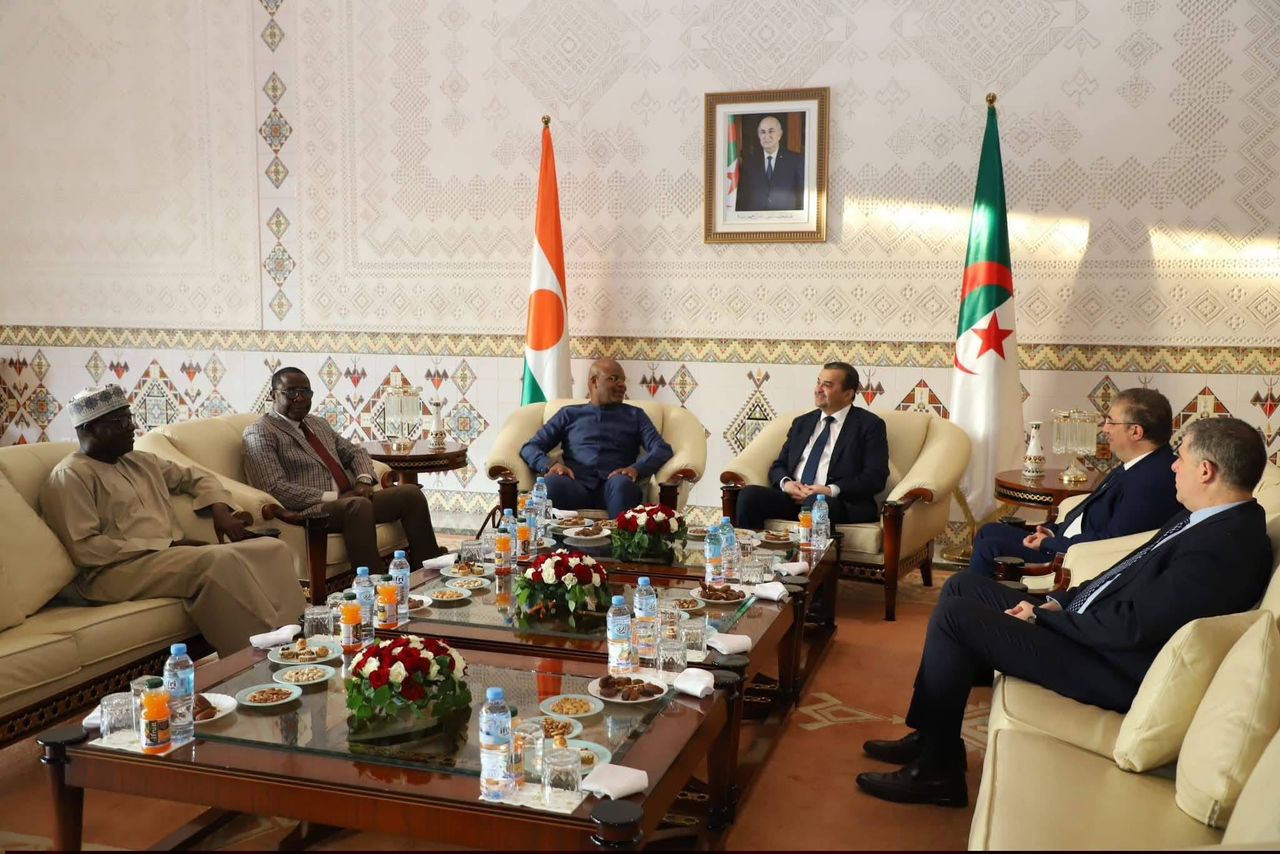
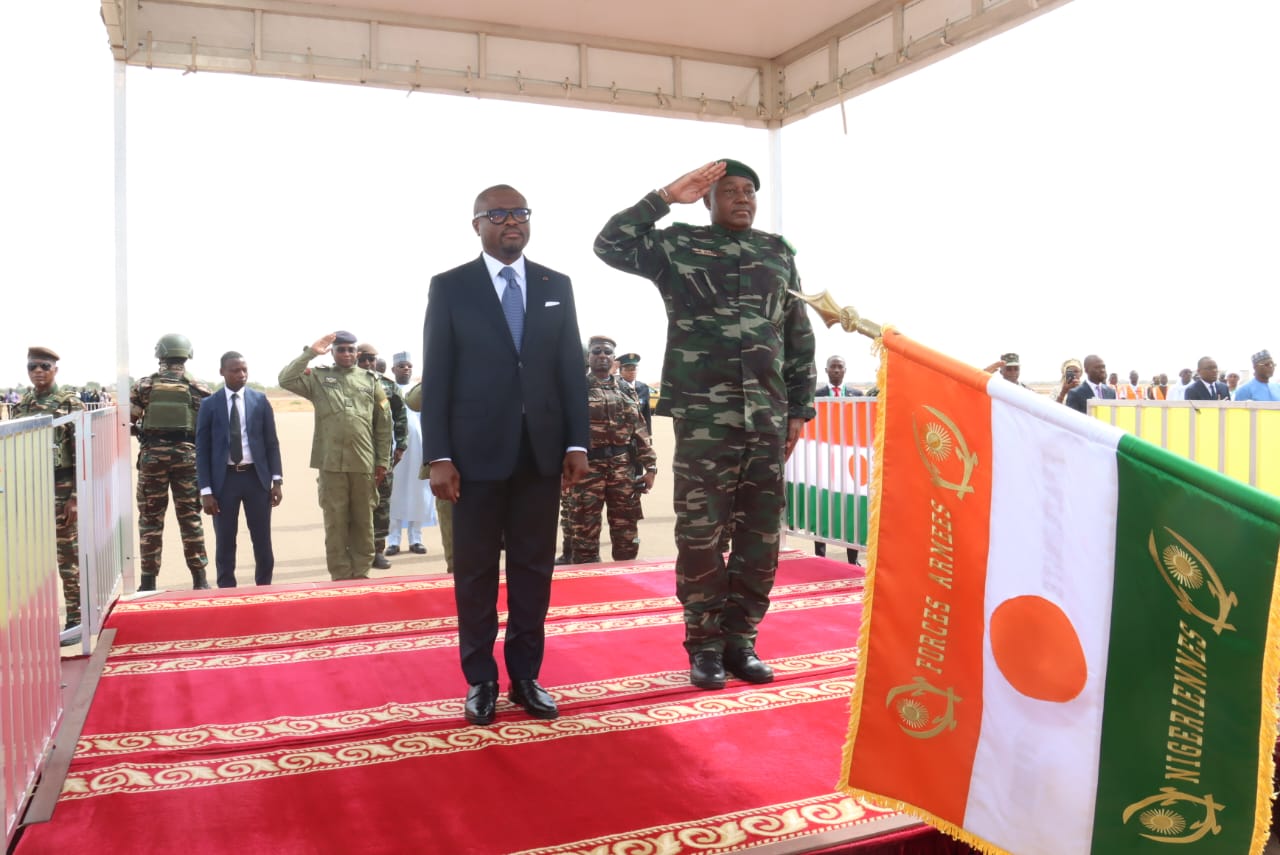
Niger and Algeria formalized their energy partnership by signing three Memoranda of Understanding (MOUs) focused on hydrocarbons. The agreements aim to deepen cooperation between the two North African nations in the vital energy sector. These MOUs represent a significant step in enhancing bilateral collaboration, particularly in the exploration, production, and transportation of oil and gas resources. The move shows both countries' commitment to leveraging their hydrocarbon potential for mutual benefit and regional energy security. This collaborative effort is designed to unlock new opportunities for economic growth and strengthen energy infrastructure across the region. Further details on the specific projects and timelines associated with these agreements are expected to emerge as implementation plans are developed. The signing ceremony marked a key moment in the bilateral relations between Niger and Algeria, signaling a shared vision for energy development.
Key MOUs Signed
The recent signing of three Memoranda of Understanding signifies a renewed commitment between Niger and Algeria to bolster their energy sector collaboration. These agreements are designed to enhance cooperation across various facets of the hydrocarbon industry, impacting both nations' strategic energy objectives. The focus of these MOUs includes joint efforts in the exploration and production of oil and natural gas within their respective territories, aiming to optimize resource extraction and efficiency. This joint approach to upstream activities is expected to lead to a more effective identification and development of new hydrocarbon reserves, thereby increasing the overall output capacity of both countries. Such coordinated exploration and production strategies are key for maximizing the economic returns from their natural resources.
A key aspect of the deepened ties involves improving infrastructure for the transportation of these vital resources. This could encompass studies or projects related to pipelines and other logistical networks that facilitate the movement of hydrocarbons from production sites to processing facilities or export points. The development of strong transportation infrastructure is essential for ensuring that extracted oil and gas can efficiently reach markets, both domestic and international. Such developments are key for improving the commercial viability of existing and future energy projects in both Niger and Algeria, as efficient transport reduces costs and increases competitiveness. The agreements also outline provisions for sharing technical expertise and best practices in the oil and gas industry. This exchange is expected to cover areas such as geological surveying, drilling technologies, reservoir management, and environmental compliance, fostering a mutual transfer of knowledge and capabilities that will benefit both nations' energy sectors. This cross-border sharing of technical know-how is anticipated to elevate operational standards and introduce innovative solutions.
The MOUs are anticipated to promote training and capacity building initiatives for professionals in Niger's and Algeria's energy sectors. These programs could involve joint workshops, specialized courses, and on-the-job training designed to elevate the skill sets of local workforces. Investing in human capital through these initiatives is seen as a fundamental pillar for achieving sustainable growth and fostering long-term self-sufficiency within the energy industry of both countries. The development of a highly skilled local workforce is critical for managing complex energy projects independently. The broader implication of these agreements is a strengthened regional energy security framework, as both Niger and Algeria play significant roles in the North African energy landscape. By coordinating their efforts, the nations aim to create a more stable and resilient supply chain for hydrocarbons, potentially attracting further investment into the sector. This enhanced stability is particularly valuable in a global energy market characterized by volatility. The implementation details and specific project timelines stemming from these MOUs are expected to be elaborated upon in subsequent discussions between officials from Niger and Algeria, paving the way for concrete actions.
Strategic Energy Partnership Context
The recent Memoranda of Understanding between Niger and Algeria reflect a broader strategic alignment aimed at enhancing regional energy security and fostering economic development through hydrocarbon resources. Both nations possess significant, yet largely underexploited, oil and natural gas reserves, positioning them as key players in the future energy landscape of North Africa and the Sahel region. This collaboration seeks to optimize the value chain from exploration and production to processing and transportation, thereby maximizing the economic benefits for both countries. The strategic partnership is designed to transform potential into tangible prosperity, leveraging each nation's strengths.
Algeria, a long-established major energy producer and exporter, brings extensive technical expertise, infrastructure, and market access to the partnership. Its state-owned energy company has decades of experience in large-scale hydrocarbon operations, which can be instrumental in assisting Niger's emerging energy sector. This wealth of experience includes managing complex upstream and downstream projects, as well as navigating international energy markets. Niger, on the other hand, holds considerable potential in its Agadem Rift Basin and other prospective areas, and its strategic location could facilitate new transit routes for energy resources within the continent. Developing these resources requires substantial capital investment, advanced technology, and skilled human resources, areas where mutual cooperation can yield significant advantages. The synergy between Algeria's experience and Niger's potential creates a powerful foundation for joint development.
The deepening of hydrocarbon ties between Niger and Algeria also occurs within a dynamic global energy market environment. Geopolitical shifts and increasing demand for diverse energy sources show the importance of stable regional supply chains. By strengthening their energy partnership, both countries can enhance their resilience to external market fluctuations and secure more favorable terms for their energy exports. This strategic collaboration is not solely focused on resource extraction but also encompasses capacity building and the transfer of knowledge, ensuring that local workforces are equipped to manage and sustain future energy projects. This holistic approach aims to create a self-sufficient and resilient energy sector.
The initiative could attract international investment into the region, as a unified and coordinated approach to energy development often presents a more stable and attractive prospect for foreign capital. Joint projects in infrastructure, such as pipelines, could reduce logistical costs and increase the competitiveness of their hydrocarbons on international markets. Such infrastructure developments are critical for unlocking the full economic potential of newly discovered or expanded reserves. The partnership could also lay the groundwork for future cooperation in renewable energy technologies, as both nations explore diversification of their energy portfolios in line with global energy transition trends. This foresight ensures the partnership remains relevant in an evolving energy landscape. Ultimately, this strategic energy partnership is designed to transform their shared hydrocarbon potential into tangible economic growth and reinforce their positions within the broader African energy context, contributing to regional stability and prosperity.
Regional Energy Landscape
The deepening hydrocarbon ties between Niger and Algeria are set against a backdrop of evolving energy dynamics across the North African and Sahel regions. Both nations are significant players, with Algeria being a major gas exporter to Europe and Niger holding considerable untapped oil reserves. The collaboration between these two countries is poised to reshape regional energy infrastructure and supply routes, creating new pathways for energy resources. This strategic alignment is a response to both domestic development needs and the demands of the international energy market.
Algeria, with its established energy production capabilities and extensive pipeline networks, traditionally serves as a critical energy corridor. Its experience in large-scale hydrocarbon extraction and export positions it as a key partner for developing emerging energy producers like Niger. This includes not only technical expertise but also established market relationships and logistical networks. Niger's strategic location in the Sahel, coupled with its growing oil production, particularly from the Agadem Rift Basin, notes its increasing importance in the regional energy matrix. The Agadem Rift Basin has shown significant promise, attracting attention from international energy companies.
A primary aspect of this deepened partnership involves the potential for enhanced energy security in a volatile global market. By coordinating efforts in exploration, production, and transportation, Niger and Algeria aim to create a more resilient and efficient supply chain. This strategic alignment could attract further foreign direct investment into the region's energy sector, providing capital and advanced technology necessary for large-scale projects. Such investments are key for unlocking the full potential of their hydrocarbon resources and ensuring their sustainable development. The prospect of a more integrated and stable regional energy market makes the area more appealing to international investors.
The potential for new or expanded pipeline infrastructure connecting Nigerien fields through Algeria to international markets could significantly alter existing trade flows. This could offer new avenues for Nigerien crude to reach European and other global consumers, diversifying supply options and potentially reducing transit costs. The development of such infrastructure would not only benefit Niger by providing access to new markets but also strengthen Algeria's role as a regional energy hub. The broader impact extends to fostering economic stability and growth within both nations, as hydrocarbon revenues are vital for national development projects, funding critical public services and infrastructure. This cooperation also reinforces regional stability by creating shared economic interests and mutual reliance.
Future Outlook and Cooperation
The Memoranda of Understanding between Niger and Algeria signal a long-term commitment to integrating their hydrocarbon sectors. Officials from both nations anticipate these agreements will lead to further joint ventures in exploration, production, and the development of critical energy infrastructure. The focus will likely remain on optimizing existing resources and exploring new reserves within their borders, ensuring a steady supply for future generations. This collaborative framework is designed to evolve, adapting to new discoveries and market demands.
Future cooperation is expected to extend to the development of shared pipelines and enhanced export capabilities, potentially increasing both countries' reach in international energy markets. These infrastructure projects are key for realizing the full economic potential of their hydrocarbon assets. Technical expertise and capacity-building initiatives are also projected to continue, strengthening the local workforces in Niger and Algeria, thereby fostering self-reliance and sustainable growth in the energy sector. This sustained collaboration aims to ensure a stable and efficient supply chain for hydrocarbons, contributing to regional energy security and economic growth. The ongoing dialogue and planning between the two nations are expected to lead to concrete project proposals and investment opportunities. The implementation of these agreements will be a key indicator of the partnership's trajectory, with subsequent meetings planned to detail specific project timelines and investment frameworks, setting a clear path forward for this strategic alliance.