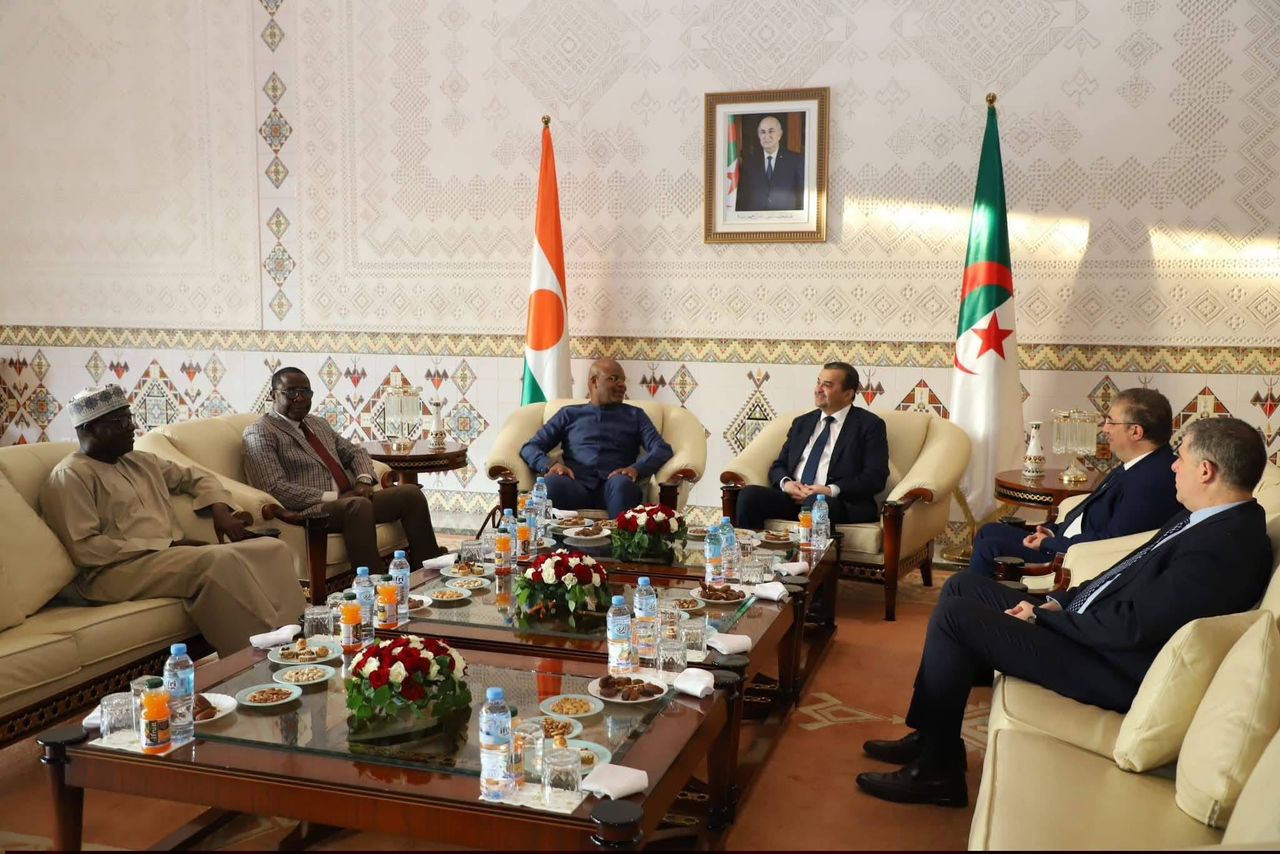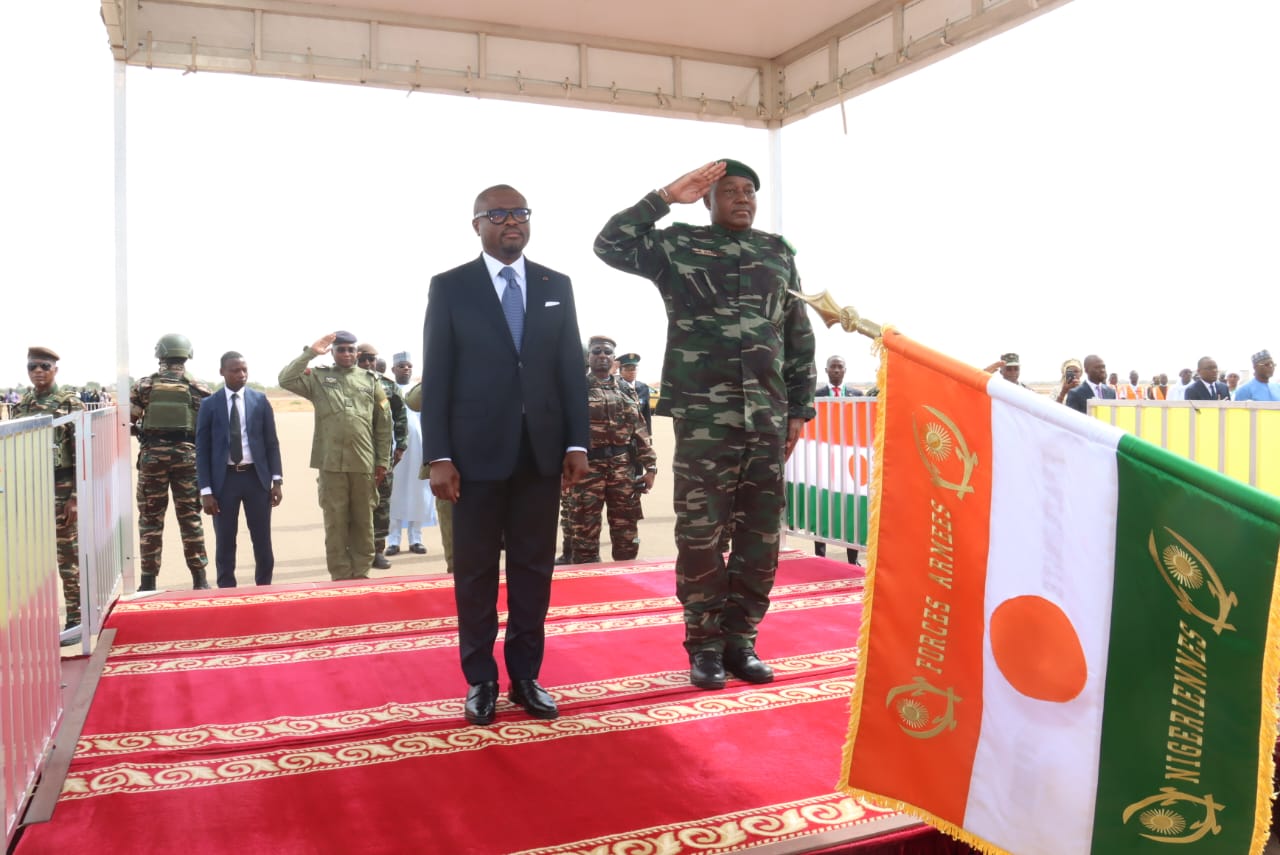
The President of the Republic, Head of State, General of the Army Abdourahamane Tiani, welcomed the new President of the Republic of Benin, Romuald Wadagni, to Niamey on Tuesday, June 2, 2026. Mr. Wadagni's visit to Niger marks a significant diplomatic engagement between the two West African nations. The meeting occurred at Diori Hamani International Airport upon Mr. Wadagni's arrival, setting the stage for key discussions aimed at fostering closer ties. This high-level interaction shows the importance both nations place on regional stability and cooperation. The visit represents a proactive step towards reinforcing the bilateral relationship.
Official Welcome in Niamey
President Romuald Wadagni arrived at Diori Hamani International Airport in Niamey, where he received official honors. The arrival at the airport marked the commencement of his visit to Niger, a formal reception that noted the diplomatic significance of the occasion. The welcoming ceremony included traditional protocols, emphasizing the respect and importance accorded to the visiting head of state. This official welcome showed the host nation's commitment to facilitating productive discussions and strengthening diplomatic channels. The careful arrangements for his arrival reflected the anticipation surrounding the potential outcomes of the visit.
Nature of the Diplomatic Mission
Romuald Wadagni is undertaking a visit of friendship and work to Niger. The nature of the diplomatic mission shows efforts to strengthen bilateral ties between the two West African nations. This engagement follows recent high-level interactions and aims to foster cooperation across various sectors, including economic development, security, and regional integration. The visit provides an opportunity for in-depth discussions on shared regional interests and potential collaborative initiatives that could benefit both populations. By framing the visit as one of friendship and work, both nations signal their intent to move beyond past challenges and focus on constructive engagement. This mission is expected to lay the groundwork for future joint projects and sustained dialogue.
President Wadagni's Recent Investiture
President Romuald Wadagni's visit to Niger follows his recent investiture, which took place on May 24. The investiture ceremony officially marked the beginning of his tenure as the President of the Republic of Benin, a key moment in his political career. His trip to Niamey, shortly after assuming office, signals an early focus on regional diplomatic engagements, demonstrating a commitment to immediate and proactive foreign policy. This formal assumption of presidential duties precedes the current discussions aimed at fostering stronger bilateral relations between Benin and Niger, indicating a clear priority for his new administration. The timing of the visit indicates President Wadagni's commitment to addressing regional matters early in his administration, noting his dedication to regional stability and cooperation from the outset of his presidency. This early engagement is seen as a strategic move to establish a foundation for productive relationships with neighboring countries.
Potential for De-escalation
The visit by President Romuald Wadagni to Niamey has been presented as a step towards mending relations between Benin and Niger. Diplomatic sources suggest the discussions aim to reduce recent tensions that have affected cross-border trade and regional stability, which have been a point of concern for both nations. This engagement follows a period of strained communication between the two countries, making the current dialogue particularly key. Officials hope the high-level meeting will pave the way for renewed cooperation on shared economic and security interests, which are vital for the prosperity and safety of the region. The dialogue represents an opportunity to establish a more constructive path forward for both nations, potentially leading to concrete agreements that benefit their respective citizens and enhance regional cohesion. This diplomatic overture is viewed as a critical step in de-escalating any lingering friction and fostering a more collaborative environment.