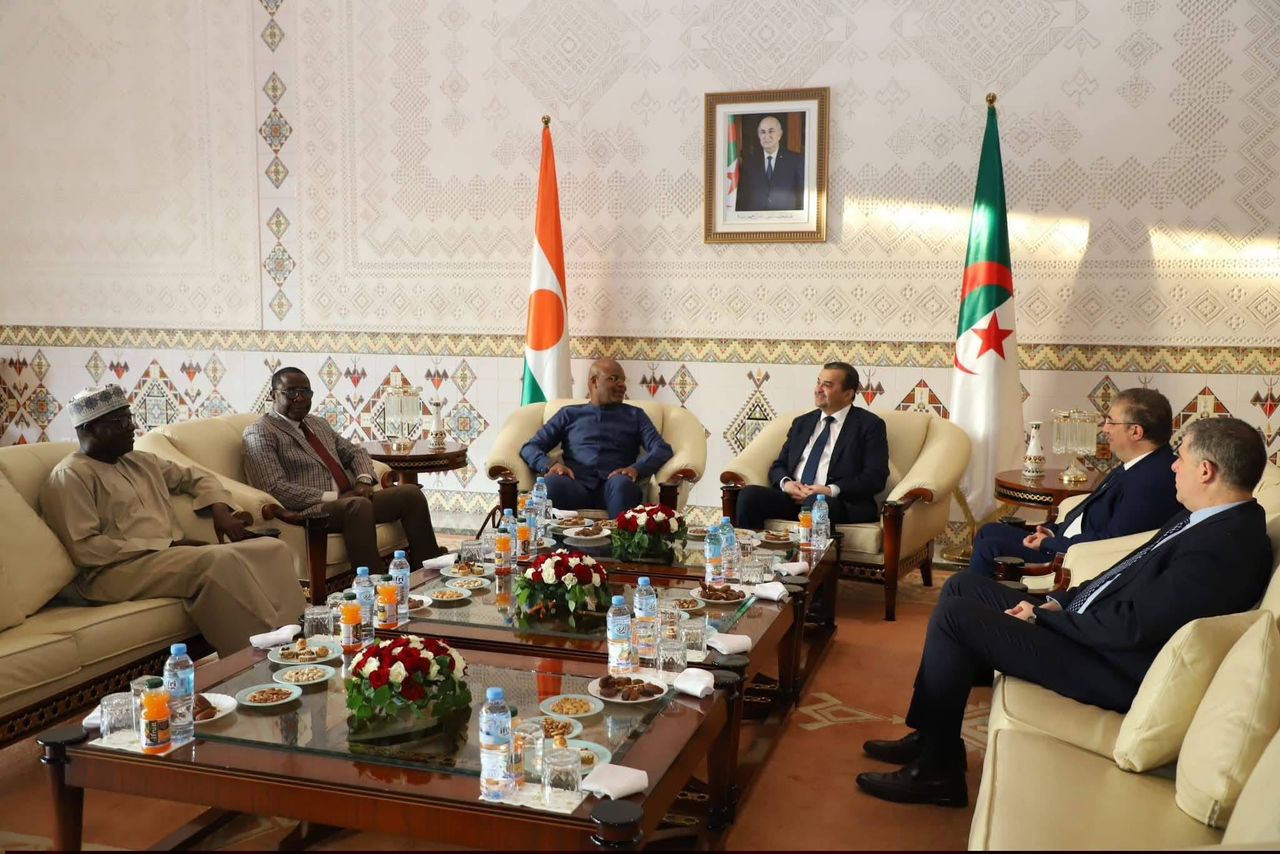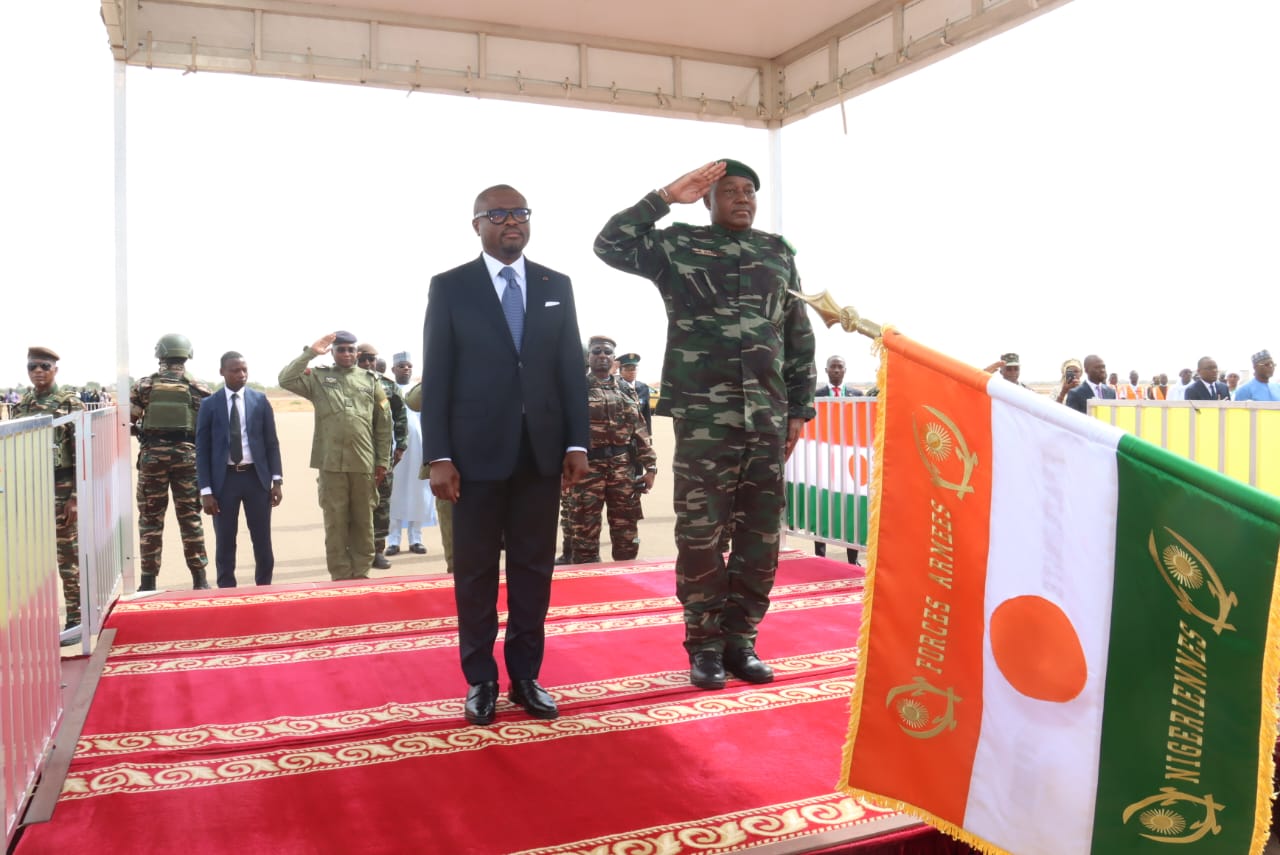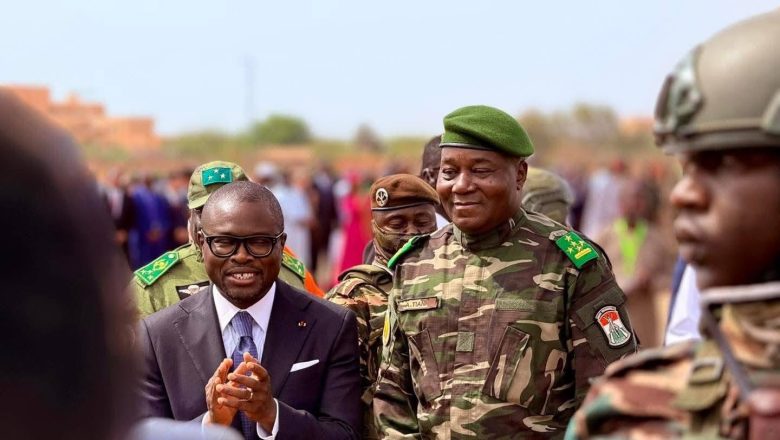
An expert committee has been installed to study the reopening of the border between Benin and Niger, according to a joint communiqué. The committee has been given a 15-day timeframe to complete its study and submit recommendations. The decision to form this committee follows ongoing discussions between the two nations regarding border access. This development aims to address issues related to the closure and facilitate a potential resumption of cross-border activities. The short deadline suggests an urgency to resolve the situation affecting trade and movement between Benin and Niger.
Committee Mandate and Timeline
The newly formed expert committee has been tasked with studying the conditions required for the reopening of the border between Benin and Niger. Its primary mandate involves a thorough assessment of the factors influencing border access and trade between the two countries. The committee is expected to analyze economic, security, and logistical aspects to ensure a smooth and sustainable resumption of cross-border activities. This study will inform the recommendations presented to both governments. The joint communiqué specified a 15-day deadline for the committee to complete its work and submit these recommendations. This timeframe suggests an expedited process to address the current border situation. The quick turnaround notes the urgency placed on finding a resolution to the ongoing closure, which has impacted various sectors in both Benin and Niger. The committee’s findings will be key in determining the path forward for border operations.
Background to Border Closure
The border between Benin and Niger has been subject to closure for several months, impacting trade and transit between the two West African nations. Niger initially closed its border with Benin in July 2023 following a military coup that ousted President Mohamed Bazoum. This action was taken as part of broader regional sanctions imposed by the Economic Community of West African States (ECOWAS) in an effort to pressure the military junta to restore constitutional order. While ECOWAS lifted most of its sanctions on Niger in February, including border closures with other member states, Niger maintained its border closure with Benin.
Benin's President Patrice Talon previously expressed concerns regarding the delayed reopening, particularly concerning the export of crude oil from Niger through Benin's Sèmè-Kraké oil terminal. The ongoing closure has disrupted established trade routes and economic activities that rely on cross-border movement. This situation has prompted diplomatic efforts to find a resolution, leading to the formation of the joint expert committee. The committee's mandate includes addressing the various factors that have contributed to the prolonged closure and developing conditions for a safe and effective reopening.
Next Steps and Expectations
The formation of the expert committee signals a diplomatic push to normalize relations and facilitate the resumption of trade between Benin and Niger. Its 15-day mandate shows an intention for a swift resolution to the border impasse. Both nations await the committee's recommendations, which are expected to outline conditions for reopening, addressing security and logistical considerations. The findings will then guide the next phase of discussions between the two governments. A successful outcome could lead to the full restoration of cross-border movement, including the passage of Nigerien crude oil through Benin's Sèmè-Kraké terminal, thereby alleviating economic pressures on both sides.