Niger celebrated World Milk Day on June 1, 2026, marking the international observance dedicated to milk and its importance. The event focused on promoting local production and the dairy sector within the country. This annual celebration aims to raise awareness about milk as a global food and its nutritional value, while also noting the economic contributions of the dairy industry. The observance serves as a vital platform for nations worldwide to emphasize the critical role of milk in healthy diets and sustainable livelihoods. For Niger, the focus was distinctly on harnessing the potential of its domestic dairy resources.
Official Launch and Key Attendees
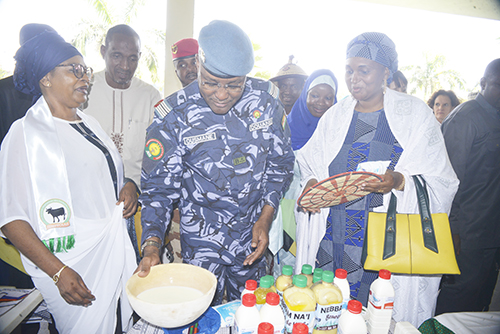
Colonel Mahaman Elhadj Ousmane, the Minister of Agriculture and Livestock, officially launched the World Milk Day ceremony. His presence, as the head of the agricultural portfolio, showed the strategic importance the government places on the dairy sector's development. The event saw the attendance of several key government officials, signifying a multi-pronged approach to supporting the industry. Among those present were the Ministers of Commerce and Industry, and Population and Women's Promotion. Their presence showed the multi-sectoral importance attached to the celebration and the promotion of Niger's dairy industry, demonstrating a coordinated effort across various government departments. The gathering of these high-ranking officials at the ceremony demonstrated the government's commitment to supporting local milk production and addressing related issues across various ministries, from market access to public health.
Promoting Local Milk Benefits
The World Milk Day celebration in Niger aims to educate the public on the benefits of locally produced milk. The initiative seeks to inform the public about the virtues of local milk, its nutritional contribution, and its economic impact. Organizers stressed that understanding these aspects is key for fostering greater appreciation and consumption of domestic dairy products. The initiative also seeks to highlight milk's nutritional value and its significant economic impact within the country, according to organizers. Promoting local dairy production is seen as a strategy to enhance food security and support the livelihoods of pastoral communities and small-scale farmers across Niger. This includes providing essential nutrients to the population, particularly children, and creating sustainable income streams for rural populations.
The focus on local milk emphasizes its freshness and the direct contribution it makes to the national economy, from milk collection to processing and distribution. This approach also helps reduce reliance on imported dairy products, fostering domestic industry growth and strengthening the national economy. Officials hope that by raising awareness about these virtues, consumers will be encouraged to choose local milk, thereby strengthening the entire value chain and creating employment opportunities within the agricultural sector. The campaign shows the importance of a sustainable local food system that supports both public health and economic development, ensuring that the benefits are widely distributed across society.
Context and Significance
The theme for World Milk Day in Niger centered on "lait local équitable, vecteur de changement," translating to "local equitable milk, vector of change." This theme emphasized the transformative potential of locally sourced and fairly traded dairy products within the country. It noted the role of domestic milk production in driving economic and social progress, particularly for vulnerable rural communities. The focus on equitable practices aimed to ensure that benefits from the dairy sector are distributed fairly among producers, processors, and consumers, thereby fostering sustainable development and reducing disparities. The chosen theme showed the government's strategy to leverage the dairy industry as a catalyst for positive change, promoting local consumption and supporting the livelihoods of pastoralists and farmers across Niger, thereby contributing to broader national development goals.