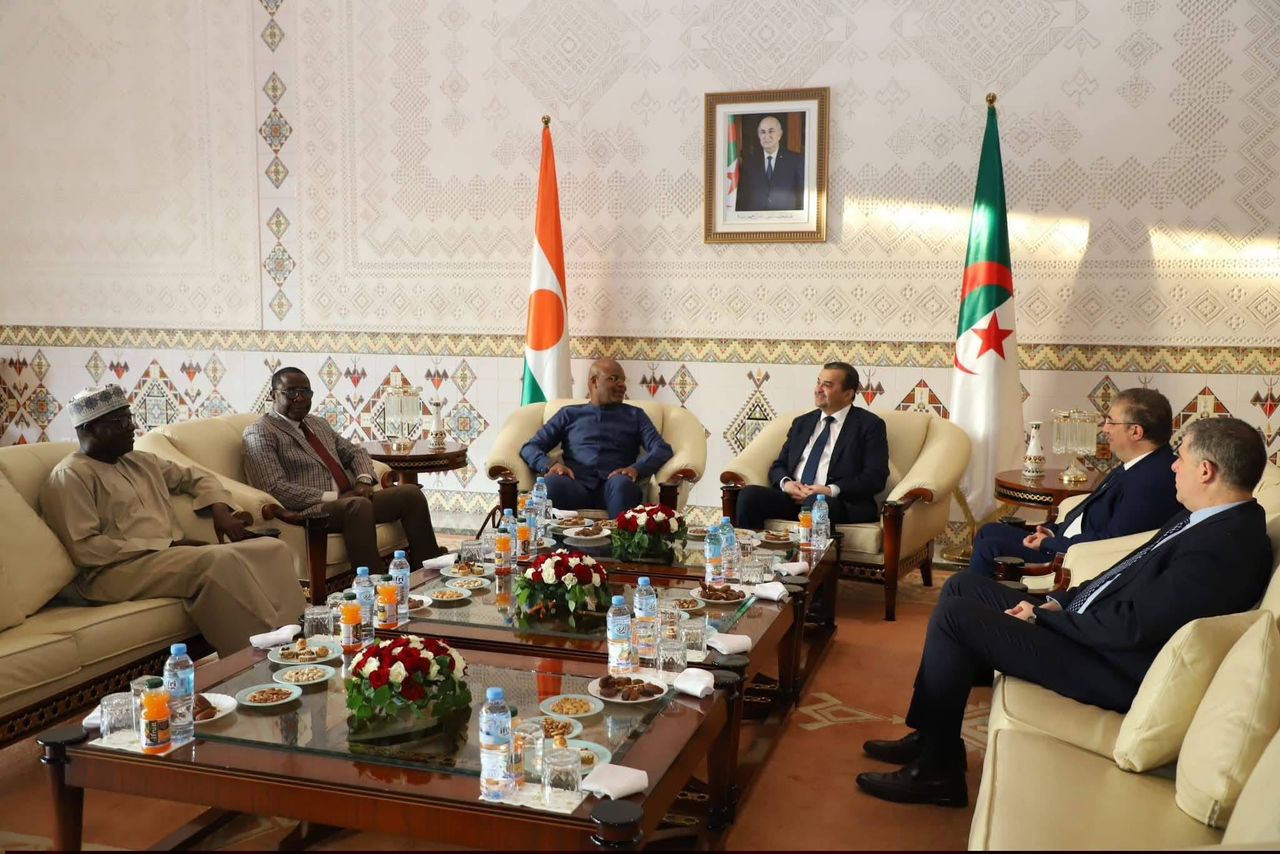
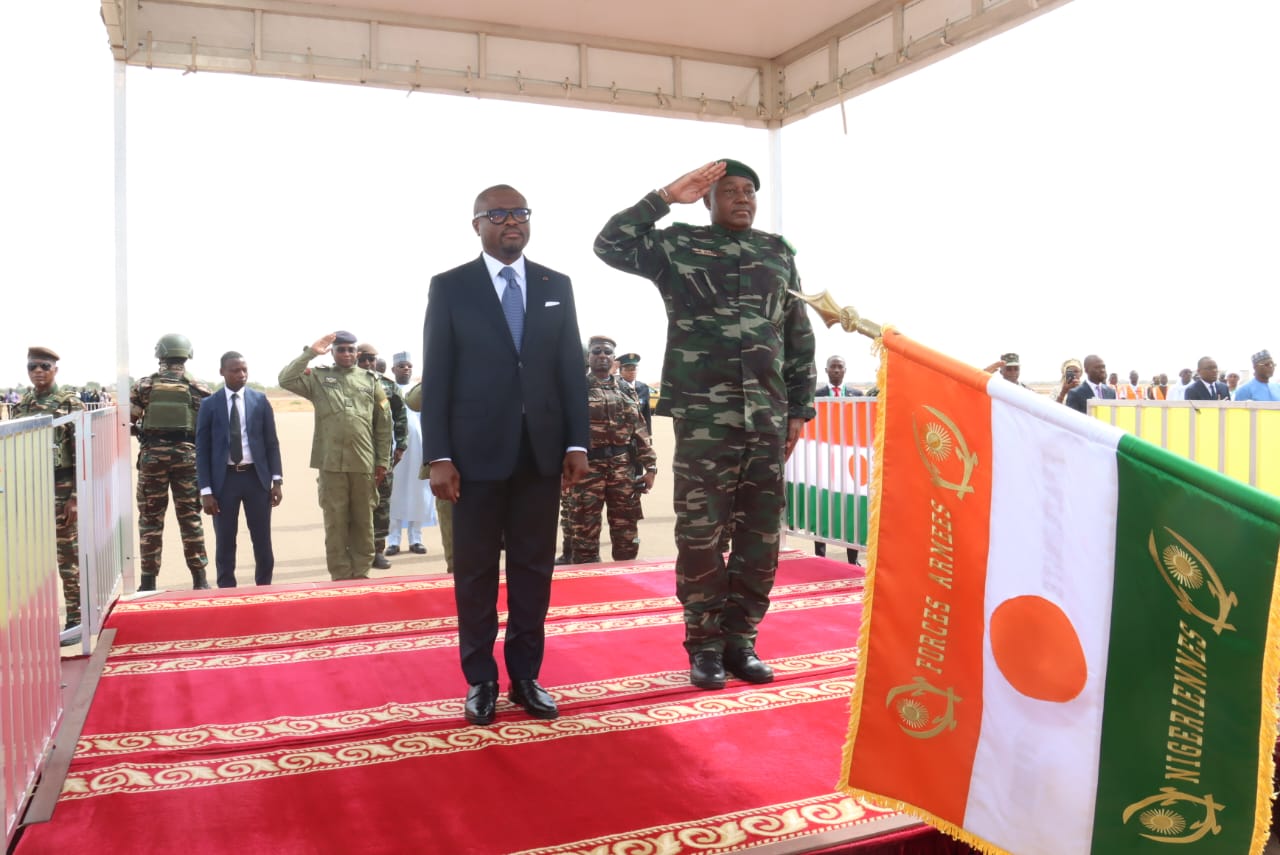
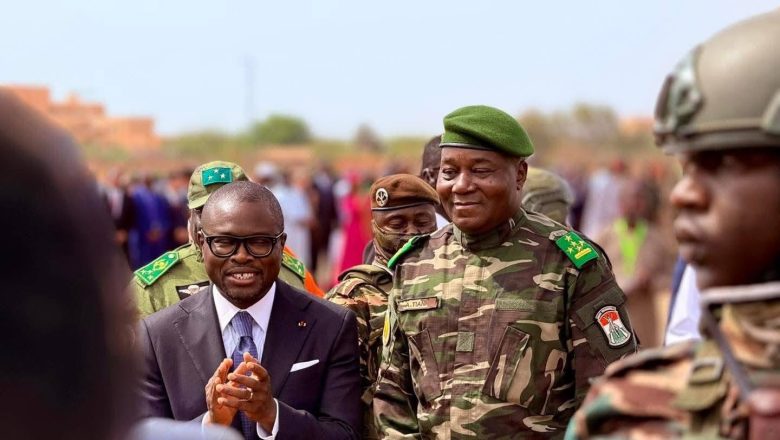
Président Tiani held a one-on-one meeting with his Beninese counterpart Wadagni in Niamey. The encounter addressed critical diplomatic matters between the two nations, signifying a renewed commitment to bilateral relations. This high-level engagement is a testament to the ongoing efforts to foster understanding and cooperation in the West African sub-region. This report originates from the Agence Nigérienne de Presse, which closely followed the developments of this significant diplomatic event.
Bilateral Discussions Held
The discussions between Président Tiani and his Beninese counterpart, Wadagni, focused on strengthening diplomatic ties and addressing shared regional interests during their meeting in Niamey. The encounter provided an opportunity for the leaders to engage in direct dialogue, which is key for fostering understanding and cooperation between their respective nations, Niger and Bénin. Both countries share borders and have historically maintained significant economic and cultural exchanges. This deep-rooted connection makes regular high-level consultations indispensable for managing their intertwined destinies. The meeting is seen as a step towards enhancing stability and collaboration in the sub-region, particularly as both nations navigate complex geopolitical landscapes. It shows the importance of direct communication channels at the highest levels of government to resolve potential misunderstandings and forge common paths forward.
The Agence Nigérienne de Presse reported that the high-level talks aimed to iron out any potential issues and to explore avenues for mutual benefit. Such bilateral meetings are a common diplomatic tool used to manage interstate relations and align on common policy objectives, particularly in areas concerning security, trade, and regional integration. The presence of Wadagni in Niamey shows the importance both governments place on direct communication at the highest levels. This reciprocal engagement notes a shared desire to build a more resilient and cooperative relationship. The outcomes of these discussions are anticipated to contribute positively to the overall relationship between Niger and Bénin, influencing future cooperative efforts on various fronts. These efforts are expected to span economic development, border management, and cultural exchanges, reflecting the full nature of their bilateral ties. The engagement reflects a commitment from both sides to resolve differences and build a framework for ongoing constructive interaction, ensuring that their partnership continues to evolve positively.
Strategic Location
The meeting between Président Tiani and his Beninese counterpart Wadagni transpired in Niamey, the capital city of Niger. Niamey's geographical position holds significant strategic importance within the West African sub-region, particularly for landlocked countries like Niger. The city serves as a key hub for trade routes and regional connectivity, influencing the flow of goods and people across borders. Its central location facilitates logistical operations and economic exchanges that are vital for the prosperity of the entire region. Its location often places it at the center of discussions concerning regional security, economic integration, and cross-border cooperation. This makes Niamey an ideal venue for high-stakes diplomatic encounters aimed at fostering regional stability. The choice of Niamey as the venue for this high-level bilateral discussion shows its role as a key diplomatic and logistical nexus in the Sahel. This central positioning facilitates engagement on shared challenges and opportunities between neighboring states, enhancing the efficacy of such critical dialogues.
Regional Cooperation Focus
The meeting between Président Tiani and Wadagni in Niamey also noted a broader commitment to regional cooperation. Leaders from Niger and Bénin frequently engage in dialogue to address shared challenges across the West African sub-region. Such interactions are critical for fostering stability and economic integration, particularly concerning cross-border trade and security concerns. The discussions showed the importance of collaborative approaches to regional issues, rather than isolated national strategies. This emphasis on joint efforts aims to strengthen collective resilience and promote mutual development between neighboring states. The pursuit of common goals through shared platforms is essential for progress in a region facing diverse challenges. The Agence Nigérienne de Presse reported the discussions as a step towards enhanced regional solidarity, reflecting a collective desire to overcome obstacles through unity and concerted action.