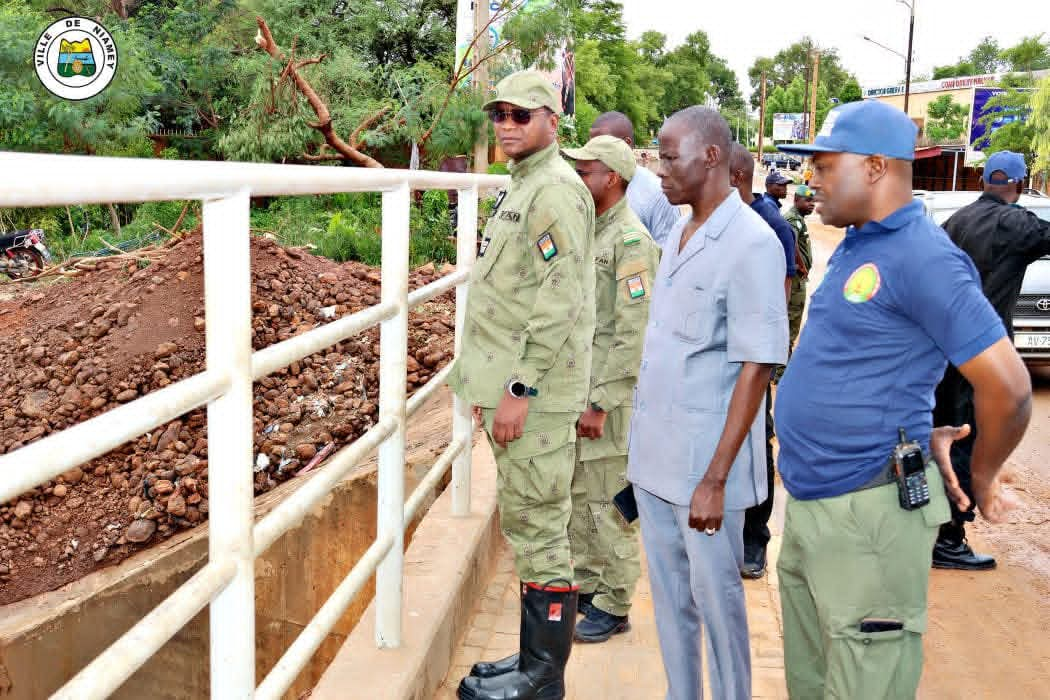
Niger has increased its national energy capacity by an additional 218 megawatts (MW), according to official reports. This significant expansion aims to bolster the country's power generation capabilities and address growing electricity demands. The new capacity represents a substantial enhancement to Niger's energy infrastructure, marking a key moment in the nation's ongoing efforts to secure a more strong and reliable power supply for its citizens and industries. This increase in generation capacity is a direct response to the escalating need for electricity across various sectors, from urban centers to remote rural communities, underpinning the government's commitment to national development.
New Power Generation Details
Pr Haoua Amadou, a prominent figure in Niger's energy sector, provided further context regarding the recent energy capacity expansion. The newly added 218 megawatts (MW) are expected to significantly contribute to the national grid, enhancing reliability and extending access to electricity across various regions of Niger. This development follows a series of strategic investments aimed at modernizing the country's power infrastructure and reducing its reliance on external energy sources. Amadou emphasized that the expansion is a key step towards achieving energy independence and supporting economic growth, noting the long-term vision behind these infrastructure projects. The integration of this substantial new capacity is designed to alleviate existing power deficits and pave the way for future industrial and social advancements.
The additional capacity is derived from a blend of generation methods, reflecting Niger's commitment to diversifying its energy mix. While specific details on the breakdown of these sources were not immediately disclosed, officials indicated that the projects encompass both conventional and renewable energy technologies. This approach is consistent with broader national objectives to balance immediate energy demands with long-term sustainability goals, ensuring a resilient and environmentally conscious energy future. The integration of these new power sources into the existing grid infrastructure has been a complex undertaking, requiring extensive planning and coordination among various governmental agencies and private sector partners. Such a diversified approach minimizes risks associated with over-reliance on any single energy source and leverages the country's natural endowments.
Amadou noted that the benefits of this increased capacity will extend beyond mere power generation, influencing industrial development and job creation. Reliable electricity supply is considered essential for attracting foreign investment and fostering local entrepreneurship, particularly in sectors requiring consistent power. The government anticipates that the enhanced energy infrastructure will support the expansion of small and medium-sized enterprises, which are vital for the national economy. These businesses often struggle with intermittent power, and a stable supply can significantly boost their productivity and growth potential. Improved access to electricity in rural areas is expected to enhance public services, including healthcare and education, by enabling the operation of essential facilities for longer periods. This will have a direct positive impact on the quality of life for many Nigeriens, facilitating better health outcomes and improved learning environments. The strategic allocation of these 218 MW supplémentaires (additional 218 MW) is thus poised to catalyze widespread socio-economic benefits.
The initiative to boost energy capacity by 218 MW represents a substantial investment by Niger, showing the government's prioritization of energy security. Amadou noted that the funding for these projects came from a combination of national budgetary allocations and international partnerships, reflecting collaborative efforts to address Niger's energy needs. These partnerships have been instrumental in providing both financial resources and technical expertise necessary for the successful implementation of such large-scale energy projects. The successful integration of the new capacity is a testament to the dedication of the technical teams involved, who worked diligently to bring these complex projects to fruition. This collaborative model ensures that Niger can leverage global expertise and resources to develop its critical infrastructure effectively. The commitment to such significant investment notes the government's understanding of energy as a fundamental driver for national progress and stability.
Looking ahead, Niger plans to continue its efforts to expand and optimize its energy sector. Amadou indicated that future projects would likely focus on further developing renewable energy sources, particularly solar power, given the country's abundant solar resources. This strategic emphasis on renewables aligns with global trends towards cleaner energy and offers Niger a path to sustainable energy independence. The long-term vision includes creating a resilient and sustainable energy system capable of meeting the growing demands of its population and economy. The 218 MW addition is considered a foundational element in this broader strategy, providing a significant boost to current capabilities while paving the way for future advancements. The impact of this expansion is expected to be felt across all segments of society, contributing to a brighter and more prosperous future for Niger. The successful deployment of this initial phase sets a precedent for subsequent projects aimed at harnessing the nation's vast renewable potential.
Strategic Energy Development Context
Niger's energy strategy centers on achieving greater energy independence and fueling economic growth, according to officials. The nation aims to reduce its reliance on external power sources while simultaneously bolstering its internal capacity to meet increasing demand. This strategic direction underpins the recent expansion of 218 megawatts (MW) to the national grid, a move designed to fortify the country's energy sovereignty. By developing its own generation capabilities, Niger seeks to insulate itself from external supply chain vulnerabilities and price fluctuations, ensuring a more stable and predictable energy environment for its development goals.
The government views a reliable and strong energy sector as fundamental to its broader development objectives. Access to consistent electricity supply is considered a critical enabler for industrialization, supporting both existing businesses and attracting new investment. Officials anticipate that enhanced energy infrastructure will facilitate the expansion of small and medium-sized enterprises, which are vital components of the national economy. These businesses, ranging from manufacturing to services, often depend heavily on a stable power supply to operate efficiently and competitively. The provision of reliable electricity is expected to reduce operational costs for businesses, encourage innovation, and create new employment opportunities, thereby stimulating overall economic activity. This focus on domestic capacity building is a key pillar in Niger's long-term economic planning, recognizing that a strong energy foundation is indispensable for sustainable growth.
Beyond economic benefits, the strategic development of the energy sector is also expected to improve social services across Niger. Increased availability of electricity, particularly in rural areas, is projected to enhance the operation of healthcare facilities and educational institutions. Powering these essential services for longer durations can lead to improved public health outcomes and better educational opportunities for citizens. For instance, hospitals can store vaccines, operate key medical equipment, and provide lighting for extended hours, while schools can utilize computers and improve learning conditions. The integration of diversified energy sources, including both conventional and renewable technologies, aligns with a national commitment to sustainability while addressing immediate power needs. This balanced approach ensures that environmental considerations are integrated into the drive for increased energy access.
Pr Haoua Amadou, a prominent figure in Niger's energy sector, has noted that the funding for these ambitious projects stems from a combination of national budgetary allocations and international partnerships. These collaborations are key for securing both the financial resources and the technical expertise required for large-scale energy initiatives. International partners often bring not only capital but also advanced technologies and best practices in energy infrastructure development, which are invaluable for a nation like Niger. The successful implementation of new power generation capacity, including the 218 MW supplémentaires, is seen as a testament to these partnerships and the dedicated efforts of technical teams involved in planning and execution. The strategic allocation of resources towards energy security reflects its high priority within the government's agenda, recognizing electricity as a fundamental human need and a catalyst for national progress.
Looking ahead, Niger's energy strategy includes a continued focus on expanding and optimizing the sector, with a particular emphasis on renewable sources. The country possesses abundant solar resources, making solar power a prime candidate for future development efforts. This long-term vision aims to cultivate a resilient and sustainable energy system capable of meeting the evolving needs of both the population and the economy. The recent 218 MW addition serves as a foundational step in this full strategy, providing a significant boost to current capabilities while setting the stage for future advancements and broader national impact. The government's proactive stance in energy development is expected to yield substantial returns in terms of economic stability, social welfare, and environmental sustainability.
Future Energy Outlook
Niger plans to continue its efforts to expand and optimize its energy sector, with officials indicating a clear trajectory for future development. The nation's long-term vision aims to cultivate a resilient and sustainable energy system, capable of meeting the growing demands of its population and economy. This strategy builds upon the recent 218 megawatts (MW) addition to the national grid, which is considered a foundational element in this broader plan, providing a significant initial uplift to the country's power generation capabilities. The success of this initial phase provides a strong impetus for further investments and expansions in the energy sector.
Future projects are expected to focus on further developing renewable energy sources. Pr Haoua Amadou, a prominent figure in Niger's energy sector, has noted solar power as a primary candidate for future development efforts, given the country's abundant solar resources. This emphasizes a strategic shift towards leveraging indigenous, clean energy potential while maintaining the momentum of capacity expansion. The integration of such sources aligns with national commitments to sustainability and energy independence, reducing reliance on fossil fuels and contributing to global efforts against climate change. The government recognizes that harnessing its vast solar potential is not just an environmental imperative but also an economic opportunity, creating new industries and jobs.
The government anticipates that the enhanced energy infrastructure, bolstered by continued investment, will support the expansion of small and medium-sized enterprises. This is viewed as vital for the national economy and for creating employment opportunities, particularly for the youth. Reliable electricity supply is considered essential for attracting further foreign investment and fostering local entrepreneurship, particularly in sectors that require consistent power such as manufacturing, processing, and technology. A stable and affordable energy supply lowers the barriers to entry for new businesses and allows existing ones to scale up their operations, thereby contributing significantly to the Gross Domestic Product.
Beyond economic benefits, the strategic development of the energy sector is also projected to improve social services across Niger. Increased availability of electricity, particularly in rural areas, is expected to enhance the operation of healthcare facilities and educational institutions. Powering these essential services for longer durations can lead to improved public health outcomes and better educational opportunities for citizens, including access to digital learning tools and extended study hours. The ongoing commitment to energy security reflects its high priority within the government's agenda, with the impact of this expansion expected to be felt across all segments of society. The provision of the 218 MW supplémentaires is a clear demonstration of this commitment, laying the groundwork for a more electrified and prosperous Niger.